
Another KMC councillor, Biswajit Mondal arrested, after woman alleges molestation and threats
.gif)

Download Mobile App 






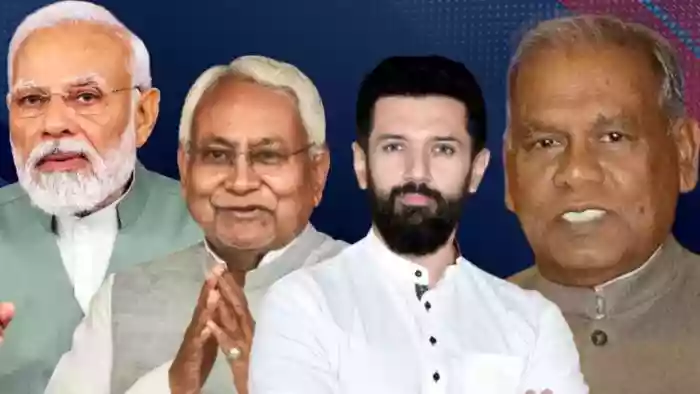
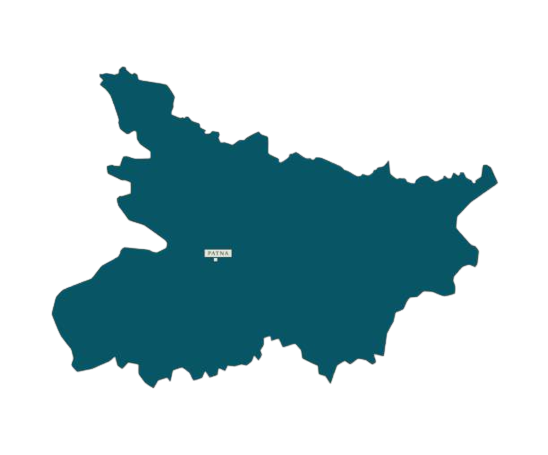
The high-stakes political drama surrounding the National Democratic Alliance's (NDA) seat-sharing arrangement for the 2025 Bihar Assembly Elections has culminated in a key understanding: a commitment to parity between the two major allies, the Bharatiya Janata Party (BJP) and the Janata Dal (United) led by Chief Minister Nitish Kumar. With the Election Commission announcing that the state will vote in two phases on November 6 and 11, the ruling coalition has moved swiftly to finalize its internal negotiations, discarding the 'big brother' narrative by opting for an equal distribution of seats between the BJP and the JDU. This crucial decision sets the stage for the NDA's combined effort to retain power against a formidable opposition challenge.
According to sources privy to the closed-door discussions, the two largest partners of the coalition have decided to split a majority of the constituencies, with 205 seats out of the total 243 being divided equally. This 50:50 formula is designed to project a unified front and ensure a seamless partnership at the highest level of the alliance leadership. The principle of equal footing between the BJP and the JDU is seen as vital for maintaining coalition stability ahead of the crucial polls.
The remaining 38 seats will be allocated to the smaller yet significant allies within the NDA fold, ensuring that the coalition remains broad-based and inclusive. This includes the Lok Janshakti Party (LJP), led by Chirag Paswan, the Hindustani Awam Morcha (HAM) under Jitan Ram Manjhi, and Upendra Kushwaha’s Rashtriya Lok Samata Party (RLM). The current proposal suggests a breakdown of 25 seats for the LJP, seven for the HAM, and six for the RLM.
However, the final tally for the smaller allies remains a subject of ongoing, intensive negotiation, particularly with Chirag Paswan. The LJP chief is actively pushing for specific, preferred constituencies for his party candidates, suggesting that the final number of seats allocated to him could still increase. Paswan’s negotiating power stems from his ability to influence certain regional vote banks, making his complete satisfaction crucial for the NDA's comprehensive success.
Any increase in the LJP's share would necessitate a corresponding reduction in the allocations set aside for the HAM and the RLM. To mitigate potential friction from these partners, sources indicate that the BJP is prepared to offer compensation in the form of nominations to the Rajya Sabha (Upper House of Parliament) or the Legislative Council. This creative solution ensures that key political leaders remain accommodated, even if their party’s Assembly seat count is trimmed.
The Bihar elections are set to engage over 7.4 crore voters, including around 14 lakh first-time voters, in a high-stakes contest. Facing the NDA is the main opposition, the Mahagathbandhan (Grand Alliance) comprising the RJD, Congress, and Left parties, along with the Aam Aadmi Party (AAP) which is contesting all 243 seats. With the fate of the 243-member Assembly set to be decided, the intricate seat-sharing agreement represents a necessary first step in the NDA's strategy to win the mandate.





 West Bengal
 Bihar
Bihar Uttar Pradesh
 Jharkhand