Muzaffarpur hospital blaze kills 3 patients, leaves 20 injured
.gif)

Download Mobile App 






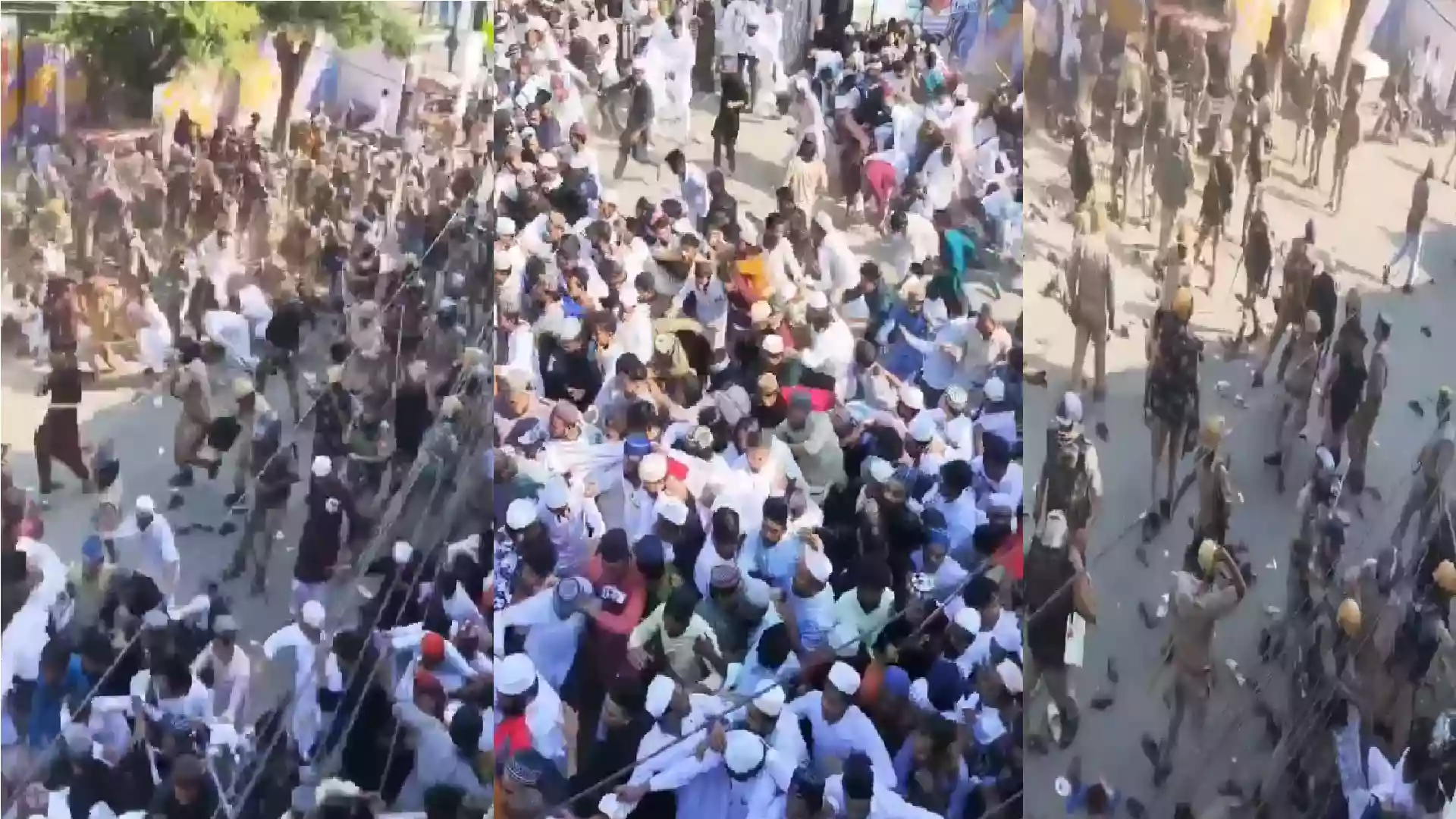
In the heart of Uttar Pradesh's bustling Bareilly district, a seemingly innocuous expression of devotion—"I Love Muhammad"—has snowballed into a powder keg of religious fervor and communal tension, culminating in a high-stakes announcement by firebrand cleric Maulana Tauqeer Raza for a massive protest during Friday's Juma prayers. The controversy erupted earlier this month during a Barawafat procession in nearby Kanpur, where police filed an FIR against participants for displaying posters and banners bearing the phrase, deeming it provocative and a potential breach of public order. What began as a local grievance has rippled across India, sparking solidarity campaigns in cities from Hyderabad to Lucknow, with Muslims affixing the slogan to homes and mosques as a defiant badge of faith.
Tauqeer Raza, the outspoken chief of the Ittehad-e-Millat Council (IMC), has seized the moment, vowing a sit-in at Islamia Ground to demand the withdrawal of the FIR and an end to what he calls "targeted harassment" of religious sentiments. With memories of past riots in Bareilly still fresh— including the 2010 clashes allegedly fueled by his speeches—authorities are on razor-edge alert, deploying drones for aerial surveillance and bolstering police ranks to prevent any escalation into violence. Today's showdown isn't just about posters; it's a raw clash between personal piety and state scrutiny, testing the fragile threads of India's secular fabric.The spark traces back to September's Barawafat celebrations, when jubilant processions in Kanpur turned contentious after a signboard proclaiming "I Love Muhammad" caught the eye of patrolling officers.
Accused of inciting unrest, several organizers faced charges under sections for promoting enmity and disturbing harmony, igniting a firestorm on social media. AIMIM leader Asaduddin Owaisi jumped in, thundering that uttering love for the Prophet is no crime but a constitutional right, while Sufi leaders like Maulana Sufiyan Nizami urged restraint to safeguard peace. In Bareilly, the backlash was swift: worshippers at Hari Masjid rallied post-Asr prayers, and Imam Mufti Khurshid Alam implored families to plaster the slogan on their doors as a peaceful protest.
Maulana Tauqeer Raza, no stranger to controversy with his history of mass mobilizations against perceived insults to Islam, held a fiery press conference at his residence, framing the FIR as part of a broader pattern of "anti-Muslim bias." His call for thousands to converge on Islamia Ground has polarized the city, with supporters hailing it as a stand for dignity and critics fearing a repeat of the 2022 Prophet remarks protests that drew over 10,000 and tested police limits.Bareilly's streets, usually alive with the hum of daily life and the call to prayer, now pulse with an undercurrent of apprehension. Local traders shutter shops early, schools issue advisories, and mixed-faith neighborhoods exchange wary glances. Tauqeer Raza's rhetoric—demanding not just FIR quashing but stricter laws against "blasphemous acts"—has amplified the din, drawing parallels to global faith defenses while local BJP voices decry it as vote-bank politics ahead of elections.
Community elders, bridging divides, have formed peace committees, hosting interfaith dialogues in quiet courtyards to douse the flames before they spread. Yet, as Juma nears, the air thickens with chants from madrasas and the whir of police wireless sets, a stark reminder that in India's tinderbox towns, words on a poster can summon shadows of strife.Police machinery, battle-hardened from past flare-ups, has swung into overdrive. The district magistrate and senior superintendent of police have mapped out contingency drills, stationing forces at key mosques, highways, and the protest site, with rapid response teams on standby.
Drones equipped with high-res cameras will sweep the skies over Islamia Ground, feeding live feeds to control rooms for real-time threat assessment—a tech-savvy shield against the unknown. Plainclothes officers mingle in crowds, intelligence units scour social media for inflammatory posts, and barriers cordon off sensitive zones. "Our priority is zero tolerance for violence," declared SSP Alok Priyadarshi in a briefing, acknowledging Tauqeer Raza's pull while warning that permissions for the sit-in remain under review. Under pressure, the cleric hinted at possible postponement, echoing a 2022 deferral when cops denied nods, but his base remains fired up, insisting the movement marches on "at any cost."For Bareilly's Muslim youth, this isn't abstract outrage; it's personal. Many, scrolling through viral videos of Kanpur's scuffles, see echoes of their own frustrations—job hunts stalled, futures dimmed, and faith policed in an era of heightened scrutiny. "Loving the Prophet is my birthright, not a poster crime," vented a young shopkeeper at a solidarity meet, his words mirrored in Unnao rallies and Nagpur processions.
Amid it all, ordinary voices plead for dialogue—perhaps a judicial review of the slogan's legality or community-led codes to navigate faith's public displays.As the muezzin's call beckons on Friday, Bareilly holds its breath, drones humming like watchful guardians over a city at the crossroads. Maulana Tauqeer Raza's gamble could forge unity in defiance or fracture the peace anew, but one thing rings clear: in the clamor over "I Love Muhammad," India's plural heart beats loudest when tested. This episode, raw and unresolved, compels a reckoning—not just on posters, but on the soul of coexistence, where love for one shouldn't eclipse another's right to breathe free. From the minarets of Bareilly to the courts of conscience, the message echoes: faith thrives in freedom, not fear.




 West Bengal
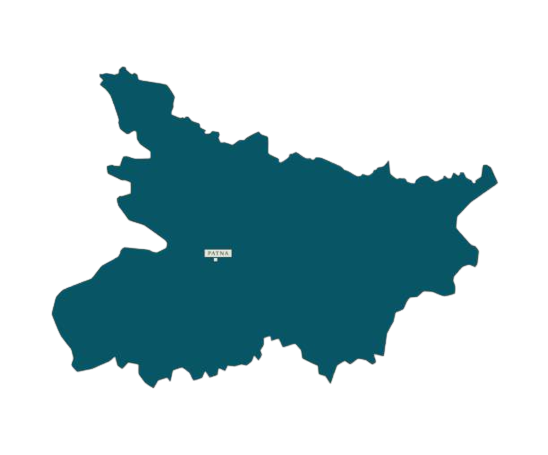 Bihar
Bihar Uttar Pradesh
 Jharkhand