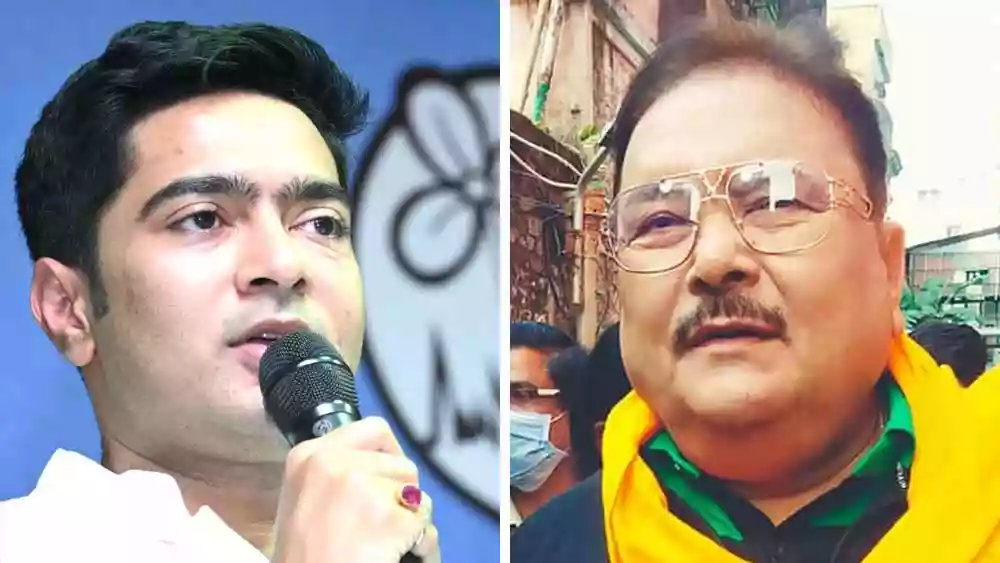
Abhishek slaps 10-crore defamation notice on Madan Mitra over 'murderer' jibe
.gif)

Download Mobile App 






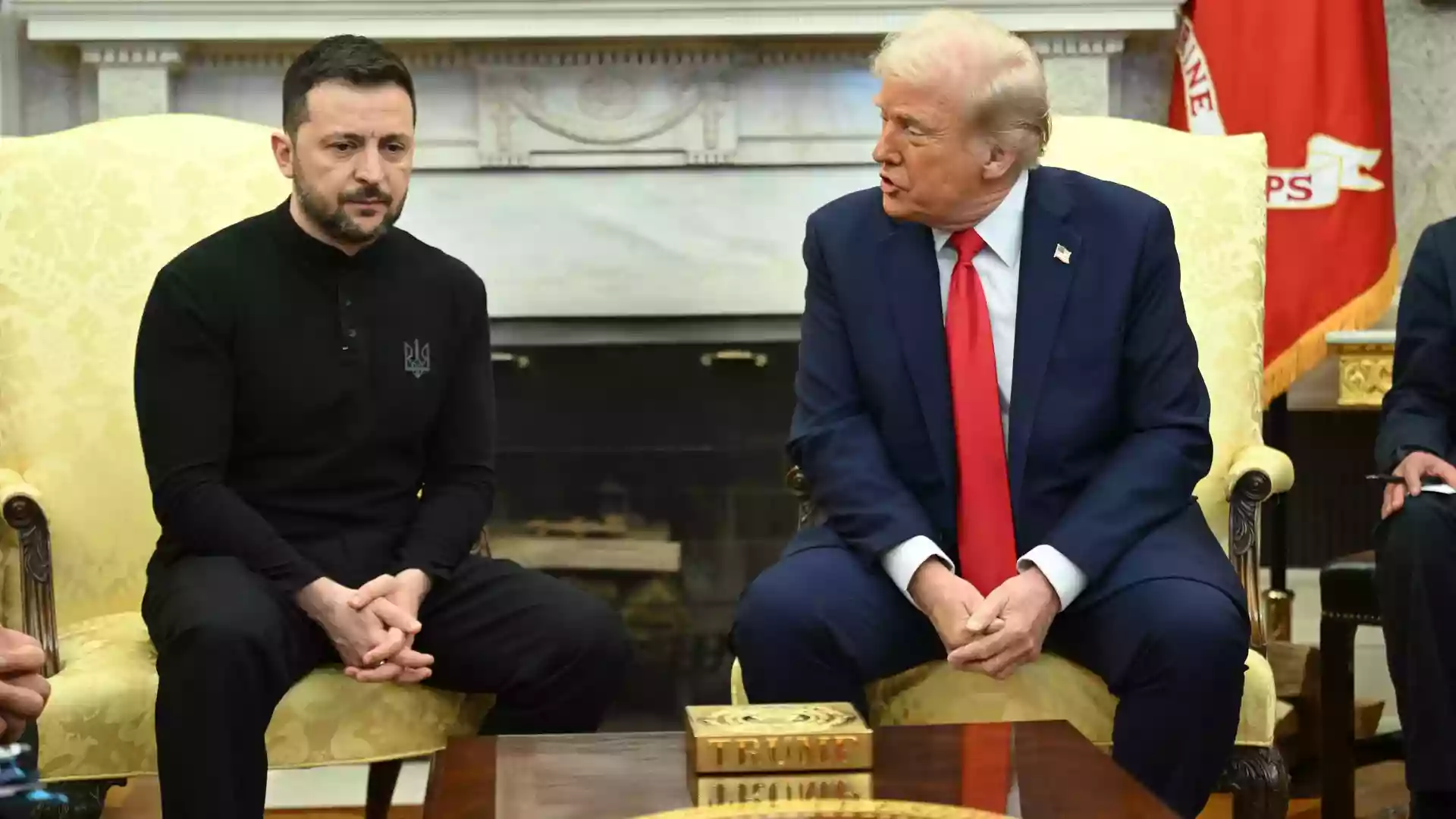
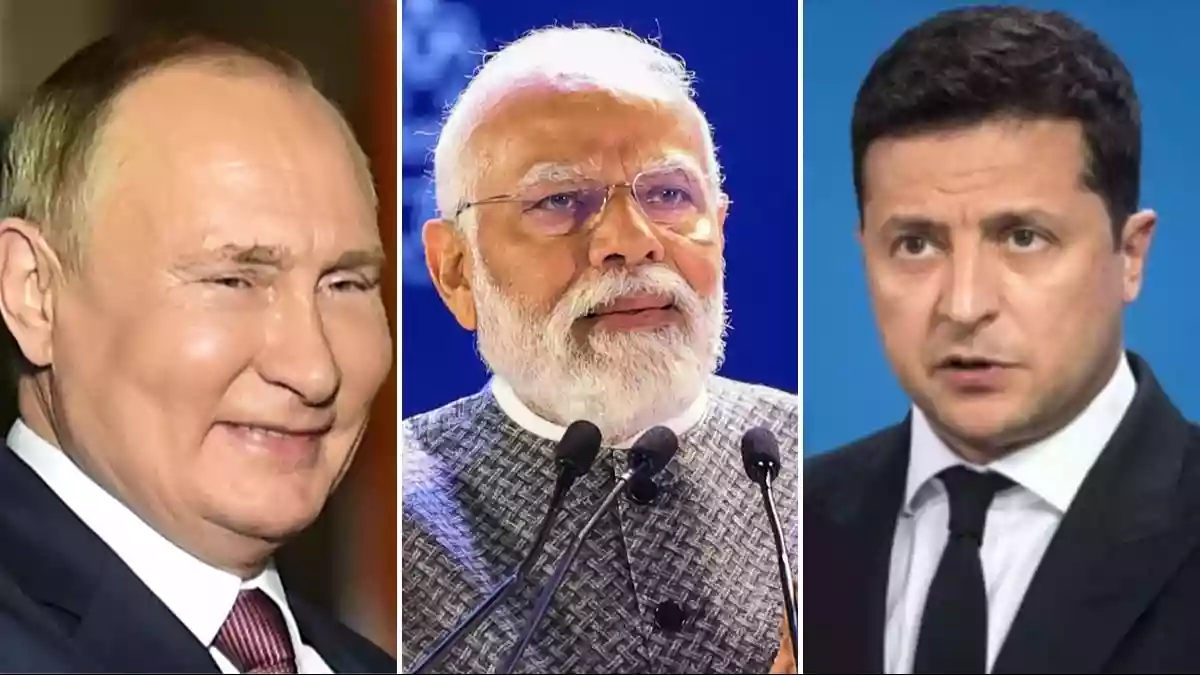
In a surprising and highly controversial statement ahead of his meeting with Ukrainian President Volodymyr Zelensky, US President Donald Trump has declared that Zelensky has the power to end the war with Russia "if he wants to." The comments, posted on his Truth Social platform, came as European and NATO leaders were set to join Zelensky for a meeting at the White House, signaling a major diplomatic day for the Trump administration.
In his post, Trump directly addressed the Ukrainian leader, suggesting that he could stop the conflict "almost immediately." This assertion challenges the widespread narrative that the war is a result of Russian aggression and places the responsibility for its continuation squarely on Ukraine. His statement is likely to create ripples of concern among Ukraine's allies who have been providing extensive military and financial aid.
Trump also drew a parallel to the 2014 Russian annexation of Crimea, which occurred during the Obama administration. He stated that Ukraine will not get Crimea back, noting that Russia took control of the region "without a shot being fired." This comparison appeared to be a direct criticism of his predecessor's foreign policy and a reinforcement of his stance on the finality of the annexation.
Additionally, Trump explicitly ruled out Ukraine's inclusion in NATO, a key point of contention for Russia and a primary reason it has given for its invasion. He wrote, "NO GOING INTO NATO BY UKRAINE. Some things never change!!!" This position, which aligns with Russia's demands, has been a central theme of Trump's foreign policy rhetoric and stands in stark contrast to the views of many Western leaders who support Ukraine's right to choose its alliances.
In a separate post, Trump expressed his excitement about the upcoming meeting at the White House. He highlighted the unprecedented number of European and NATO leaders who would be attending alongside Zelensky. "Big day at the White House tomorrow. Never had so many European Leaders at one time. My great honour to host them," he wrote, framing the event as a testament to his diplomatic influence.

.webp)
.webp)

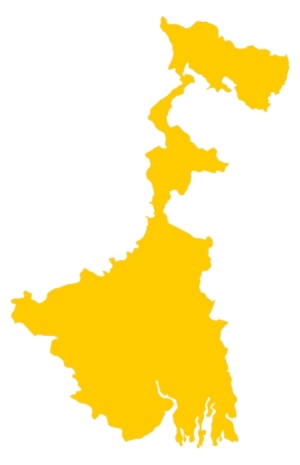 West Bengal
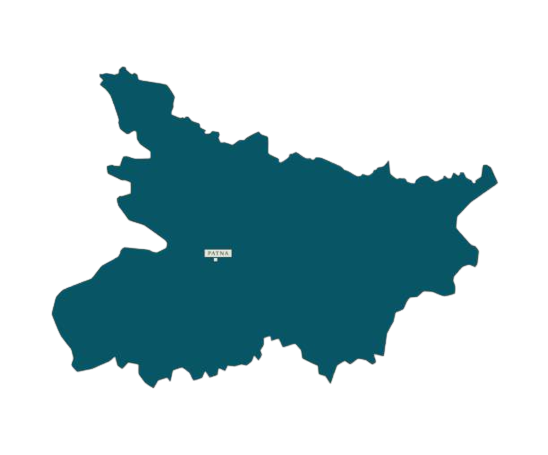 Bihar
Bihar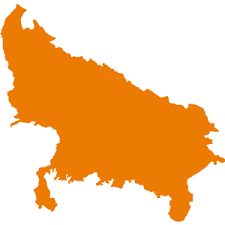 Uttar Pradesh
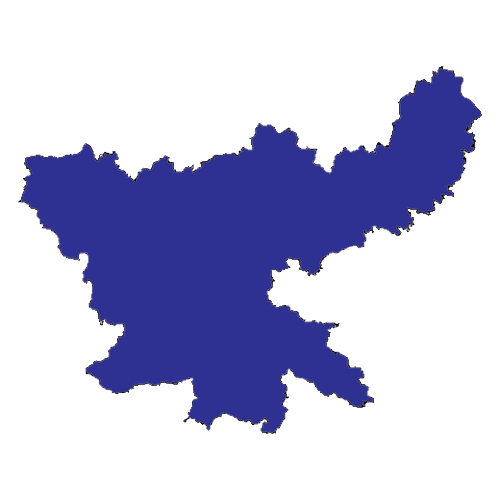 Jharkhand