.gif)

Download Mobile App 






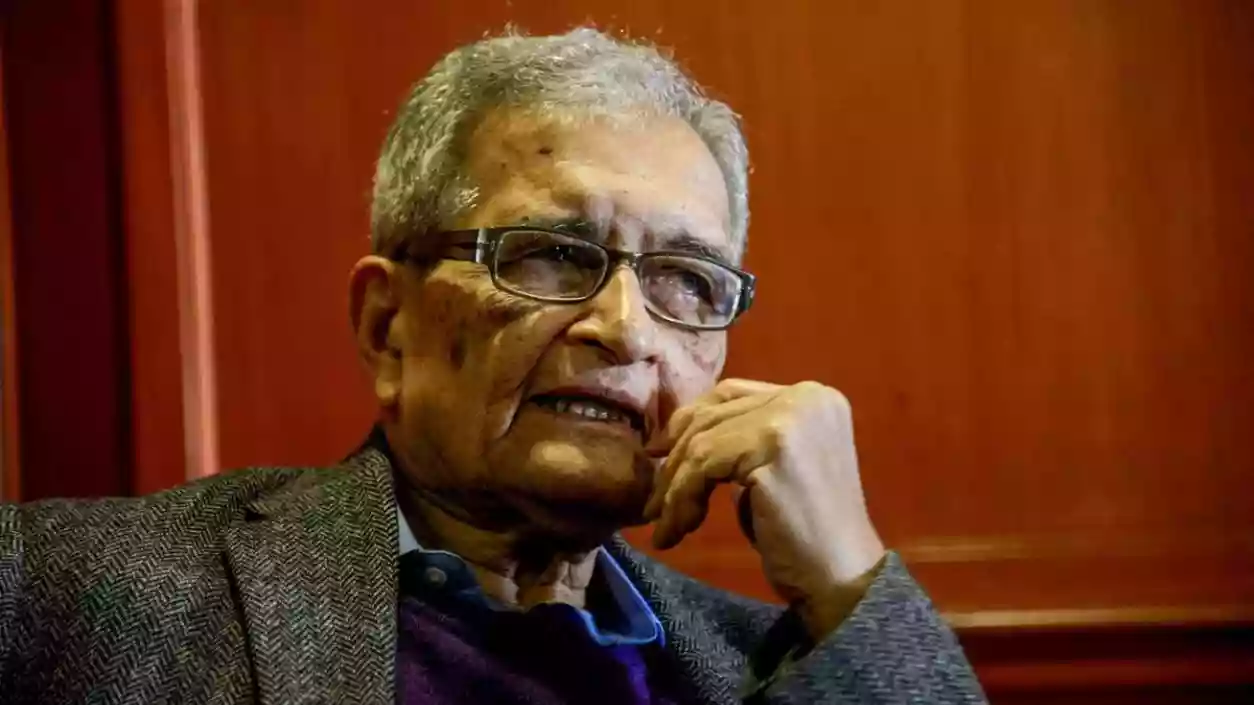
Nobel laureate Amartya Sen has raised serious concerns over the Special Intensive Revision (SIR) of electoral rolls in West Bengal, warning that the process is being carried out in undue haste and could jeopardise democratic participation ahead of the upcoming Assembly elections.
Speaking from Boston, the 92-year-old economist said that while a careful and well-timed revision of electoral rolls can strengthen democracy, those essential conditions are missing in West Bengal. He argued that voters are not being given adequate time to submit documents required to prove their eligibility.
Sen said the hurried process risks excluding legitimate voters and described it as unjust to the electorate and unfair to Indian democracy. He added that even officials involved in the exercise appear to be under severe time pressure, affecting the fairness of the process.
Recounting his own experience, Sen said his voting eligibility from Santiniketan was questioned due to a “logical discrepancy” related to his deceased mother’s age, despite both their details being present in official records. He highlighted how documentation demands can create unnecessary hurdles.
The economist also pointed to broader structural challenges, particularly for citizens born in rural areas who may not possess birth certificates or similar documents. While his case was resolved with assistance, he expressed concern for those lacking similar support.
On whether the SIR could benefit any political party, Sen said he could not assess this with certainty but stressed that democratic integrity must remain paramount. He warned that rigid documentation requirements could disproportionately affect the poor and underprivileged.





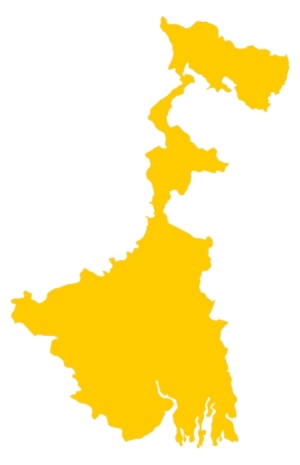 West Bengal
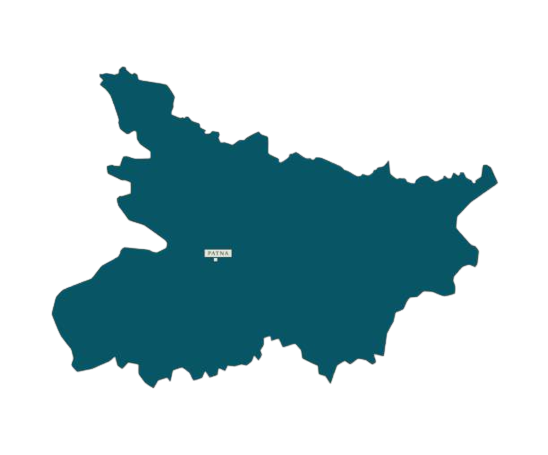 Bihar
Bihar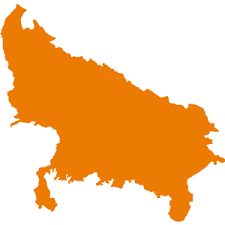 Uttar Pradesh
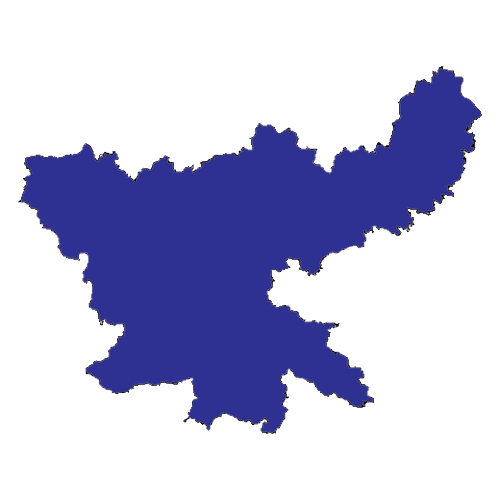 Jharkhand