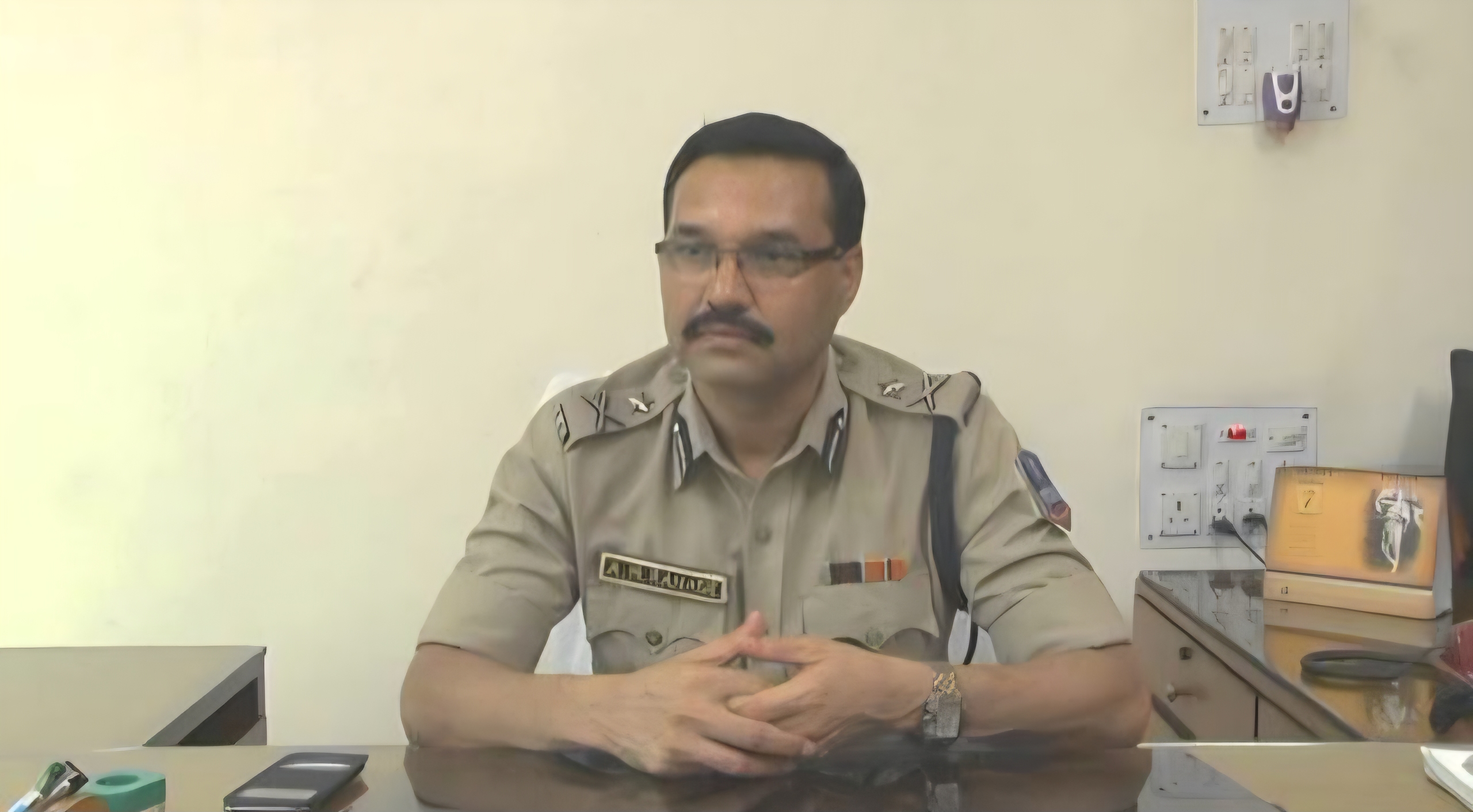
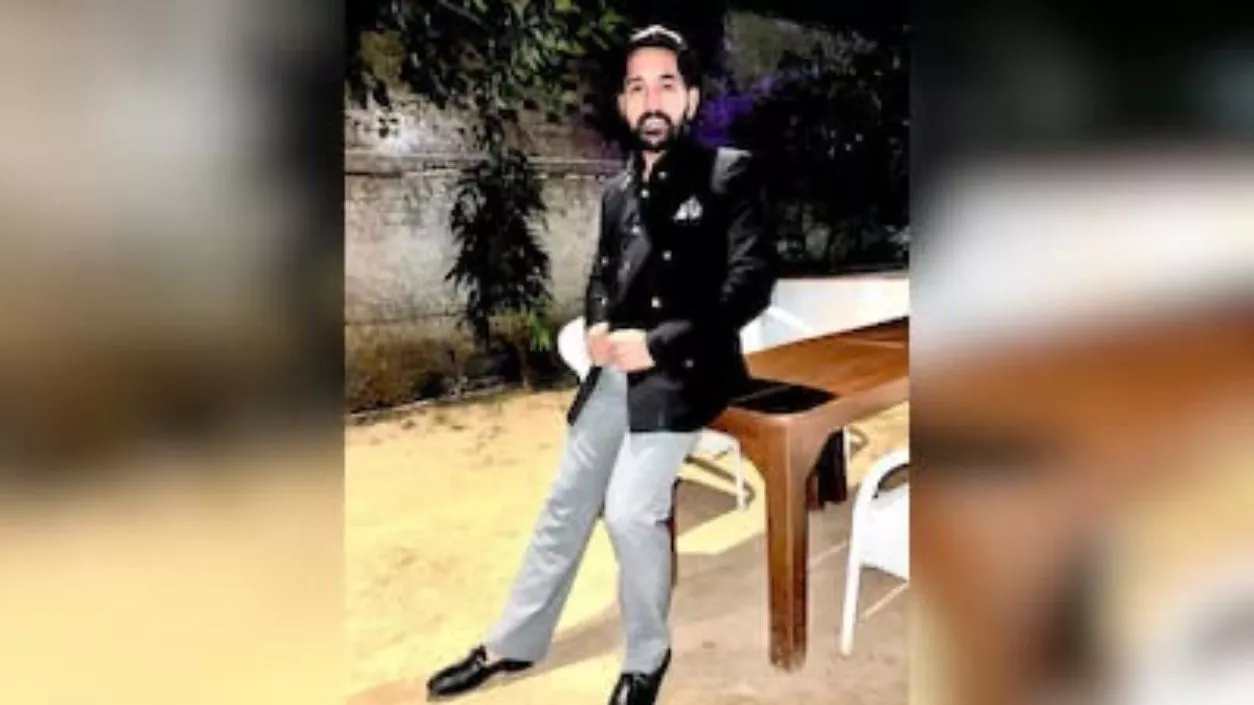
Bengal Govt elevates IPS Ajay Mukund Ranade to DGP (Law and Order)
.gif)

Download Mobile App 






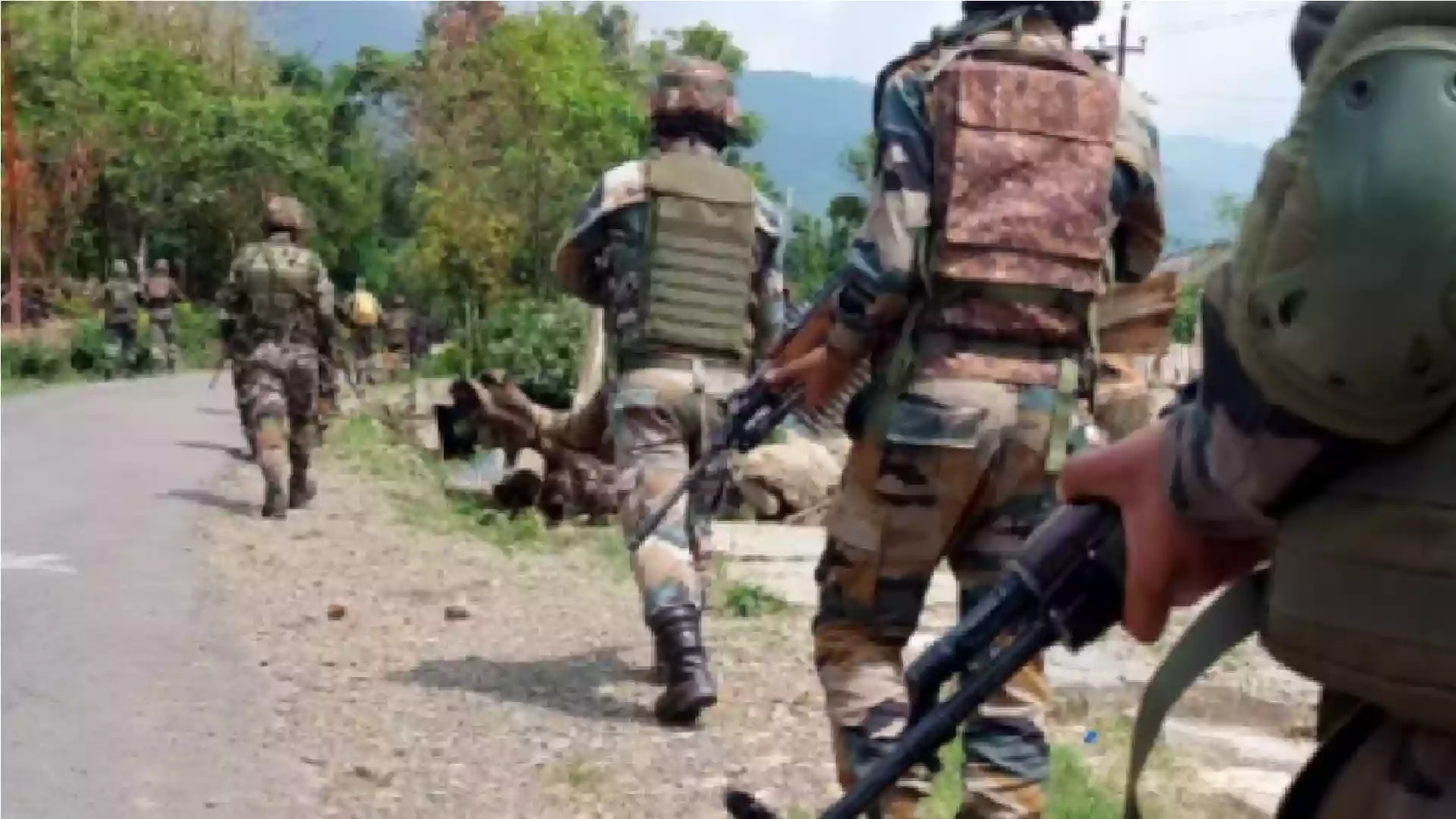
In the fading light, as the sun dipped behind Manipur's rolling hills, a routine convoy of the 33rd Assam Rifles turned into a battlefield of bullets and bravery, ambushed by unidentified terrorists along National Highway 2 near Nambol Sabal Leikai in Bishnupur district. What began as a standard transit from Patsoi Company Operating Base to Nambol—carrying dedicated personnel through a denotified zone stripped of AFSPA protections—erupted into chaos when gunmen positioned on both sides of the road unleashed a hail of fire on the Tata 407 vehicle. Two soldiers, Naib Subedar Shyam Gurung and Rifleman Ranjit Singh Kashyap, paid the ultimate price in the fierce exchange, while five others sustained injuries but fought back with restraint to shield nearby civilians. This gut-wrenching strike, the deadliest on security forces in the valley districts in over a year, not only claims lives but peels back the fragile veneer of normalcy in a state still reeling from 18 months of ethnic strife, leaving families shattered and the nation mourning yet another chapter in Manipur's unending saga of sorrow.
The ambush unfolded with chilling precision in an area where the Armed Forces Special Powers Act has been lifted, binding the troops' hands against immediate counterstrikes that could endanger locals—a decision that likely saved innocents but amplified the peril for the jawans. Eyewitnesses in the bustling Nambol vicinity described the crack of gunfire shattering the evening hum of traffic and temple bells, with the AR vehicle—a humble mini-truck laden with gear and grit—pockmarked by bullets as it veered to safety. Naib Subedar Gurung, a seasoned veteran from the hills, and Rifleman Kashyap, a young recruit from the plains, were felled in the initial barrage, their sacrifice a stark reminder of the borderless bravery that defines paramilitary service. As the dust settled, the injured—evacuated swiftly to the Regional Institute of Medical Sciences (RIMS) in Imphal—clung to stability, their wounds a testament to the convoy's unyielding spirit amid the onslaught. Manipur Governor Ajay Kumar Bhalla, speaking from the Raj Bhavan under the shadow of President's Rule, condemned the "heinous act" with profound grief, extending condolences to the fallen heroes' kin and prayers for the wounded's recovery. "Their unwavering courage in protecting the nation will never be forgotten," he stated, his words a balm in the storm, even as he urged unyielding pursuit of justice.
Former Chief Minister N. Biren Singh echoed the sentiment on social media, calling the loss a "cruel blow" and demanding the harshest retribution for the perpetrators: "The brave souls of 33 Assam Rifles embody our resolve; their blood will not be in vain." These voices from across the political divide highlight a rare unity in outrage, cutting through the ethnic fault lines that have fractured the state since the Meitei-Kuki clashes ignited in May 2023, claiming over 220 lives and displacing tens of thousands. The assault's timing adds layers of foreboding, striking just days before a bandh called by valley-based insurgent groups protesting Manipur's 1949 merger with India—a symbolic flashpoint that stirs old ghosts of sovereignty and resentment. In Bishnupur, a Meitei-majority district long insulated from the hill-valley violence, this breach feels like a deliberate provocation, possibly aimed at derailing peace overtures or testing the security grid's vulnerabilities. Security sources whisper of militants exploiting the denotified status, where operational leeway is curtailed, to mount hits without fear of reprisal.
No group has claimed responsibility yet, but the modus operandi—flanking fire from elevated positions—mirrors tactics of outfits like the People's Liberation Army, fueling speculation of a coordinated bid to inflame tensions ahead of the contentious anniversary. As night cloaked the highway in uneasy quiet, joint teams of Assam Rifles and Manipur Police fanned out in a massive cordon-and-search operation, combing the misty fringes of paddy fields and forested edges for any trace of the fleeing assailants. Drones hummed overhead, thermal scopes pierced the darkness, and checkpoints multiplied like veins on the scarred asphalt, a frantic hunt born of necessity in a landscape where insurgents melt into sympathetic shadows. For the troops on the ground, many hailing from distant Northeast outposts, it's a grind of vigilance laced with vulnerability—far from home, they stand as sentinels in a theater where every patrol is a gamble. The injured at RIMS, bandaged but unbroken, shared hushed stories of camaraderie forged in fire, their recovery a quiet vow to honor the fallen by pressing on. This tragedy ripples beyond the immediate toll, etching deeper into Manipur's weary soul a narrative of resilience amid relentless adversity. From the candlelit vigils in Imphal's markets to the silent salutes in remote barracks, the state pauses to grieve, yet the embers of conflict smolder on. As search operations stretch into dawn, the ambush serves as a clarion call for recalibrating strategies—perhaps reinstating AFSPA in hotspots or bolstering intelligence to preempt such shadows. In the end, Gurung and Kashyap's legacy isn't just in the headlines but in the unbowed hearts they leave behind, a poignant chapter in India's enduring battle for peace in its fractious folds, where every loss steels the will to weave unity from the threads of division.


.webp)


.webp)

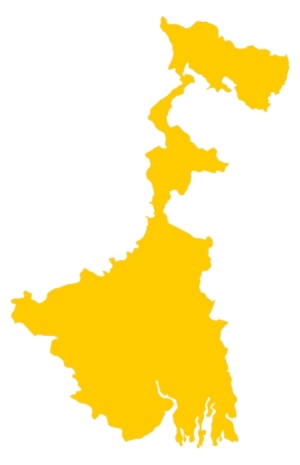 West Bengal
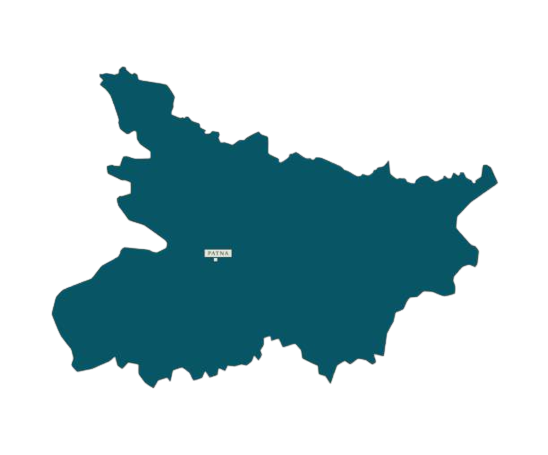 Bihar
Bihar Uttar Pradesh
 Jharkhand