
Police removes Rahul, Priyanka, other Congress leaders from dharna site near PM Modi's residence
.gif)

Download Mobile App 






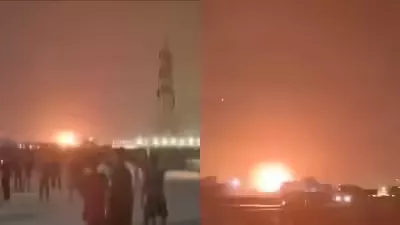
Iranian missiles targeted Qatar’s Ras Laffan Industrial City, home to the world’s largest LNG facilities. QatarEnergy confirmed "extensive damage" to its core processing operations, causing a complete halt in production at the site. This strike is viewed as a direct retaliation for recent Israeli attacks on Iran’s South Pars gas field, a massive underwater reservoir shared by both Tehran and Doha.
The ripples of this aggression have spread across the Gulf, with Saudi Arabia’s Samref oil refinery in Yanbu also being targeted by aerial strikes. Although the impact at Yanbu was reported as minimal, the strategic importance of the port has surged since Iran effectively closed the Strait of Hormuz. In response, Saudi Foreign Minister Prince Faisal bin Farhan issued a stern warning, stating that the Kingdom’s patience is "not unlimited" and that it reserves the right to take military action. He described the attacks as "premeditated blackmail" and noted that the fragile trust rebuilt with Tehran has been "completely shattered."
In a rare display of regional unity, 12 Arab and Islamic nations—including Saudi Arabia, the UAE, Qatar, Egypt, Pakistan, and Turkey—convened an emergency meeting in Riyadh on Thursday. The group issued a joint statement condemning Iran’s "unjustified aggression" against civilian infrastructure and residential areas. The ministers demanded an immediate cessation of hostilities and respect for international law, asserting their collective right to self-defense under the UN Charter. The statement emphasized that such attacks on energy hubs threaten not just regional stability but global economic security.




.webp)

.webp)

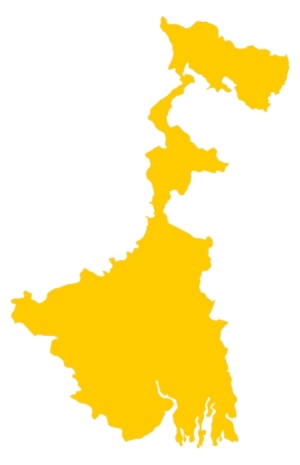 West Bengal
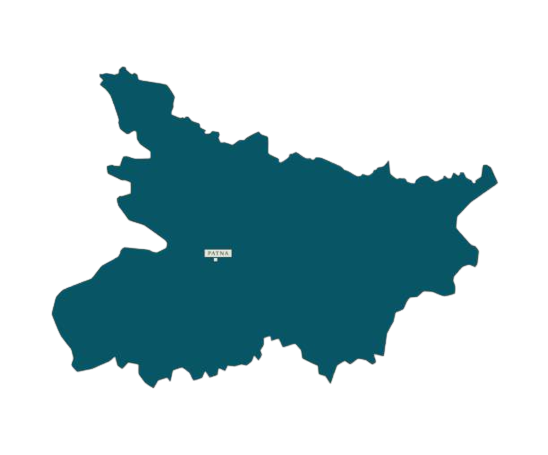 Bihar
Bihar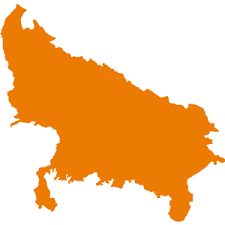 Uttar Pradesh
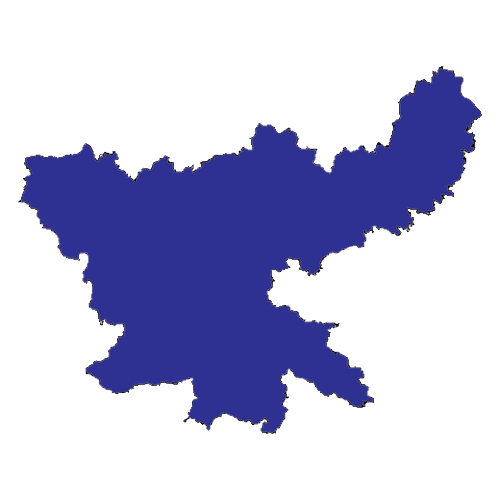 Jharkhand