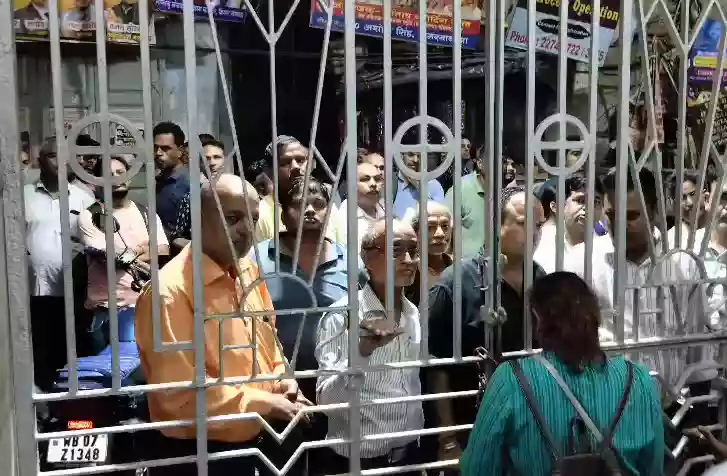
Visudhanand hospital staff and managament in stand-off over salary, DA discrepancies
.gif)

Download Mobile App 






.webp)
A Public Interest Litigation (PIL) challenging the policy of blending 20% ethanol (E20) with petrol has reached the Supreme Court, which will first examine whether the petition is maintainable. The petition seeks greater consumer awareness regarding ethanol-blended fuel, mandatory disclosure of ethanol content at petrol pumps and on fuel receipts, and the continued availability of regular petrol for older vehicles that may not be compatible with E20 fuel. The policy has drawn both support and criticism, with the central government and automobile manufacturers defending the initiative while concerns have been raised by sections of consumers.
The PIL was filed by advocate Narendra Mishra, who argued that petrol pumps should clearly display the percentage of ethanol blended into fuel on dispensing nozzles and customer receipts. According to the petition, selling E20 petrol without adequately informing consumers affects their rights because many older vehicles may not perform properly with higher ethanol blends. The petition also requests that consumers be given the option to purchase regular petrol for vehicles that could be adversely affected by E20 fuel.
The central government has maintained that the Ethanol Blending Programme is intended to reduce pollution, lower dependence on crude oil imports, and increase farmers' income through higher ethanol production. Union Transport Minister Nitin Gadkari has described the programme as beneficial for the agricultural sector and rural economy. Union Petroleum Minister Hardeep Singh Puri stated that while E20 fuel may result in slightly lower mileage, it improves vehicle acceleration. The government has also stated that the ethanol blending programme has generated foreign exchange savings exceeding ₹1.90 lakh crore.







.webp)

 West Bengal
 Bihar
Bihar Uttar Pradesh
 Jharkhand