.gif)

Download Mobile App 






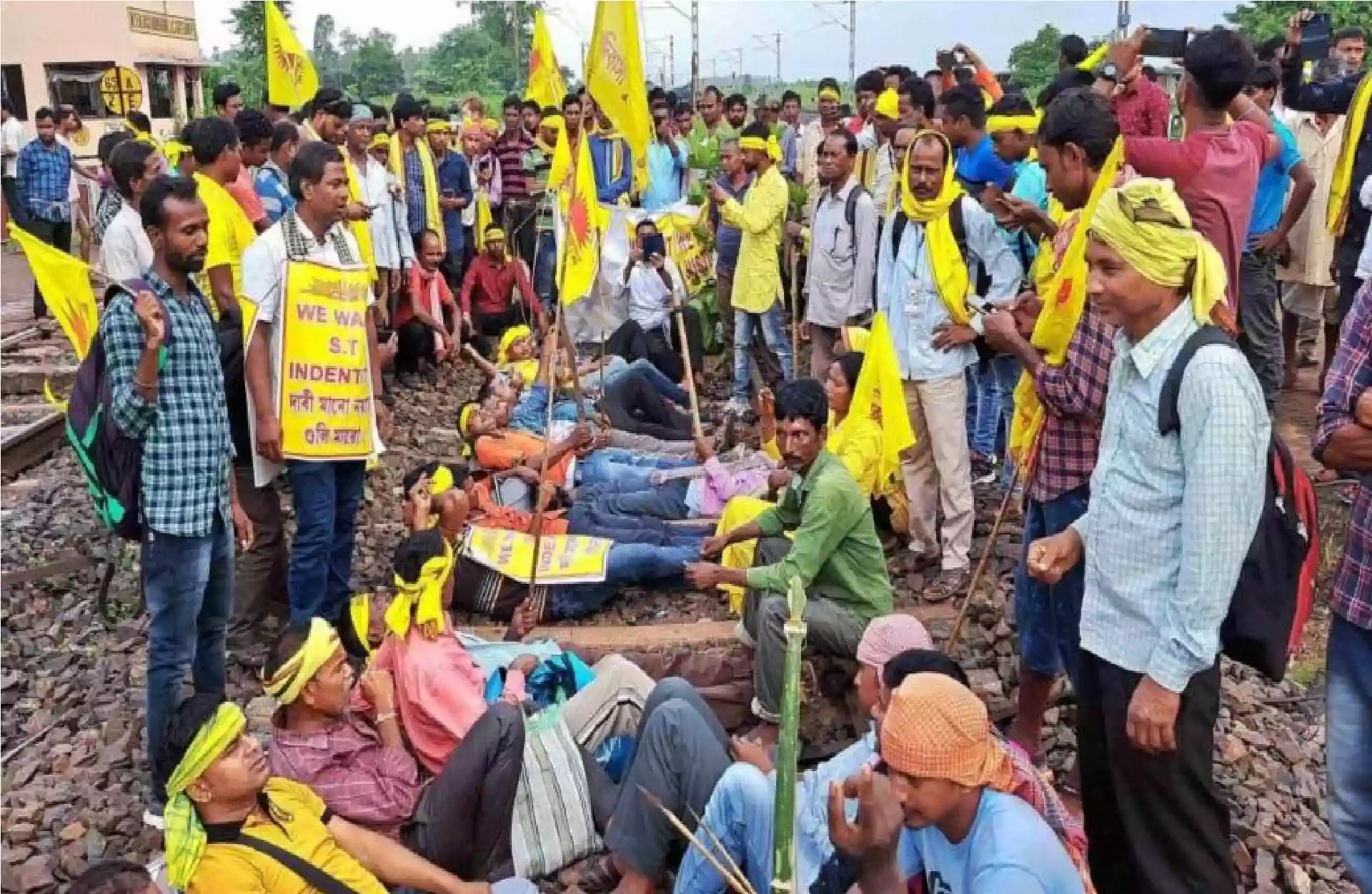
Just a day before the sacred hush of Mahalaya today, the rhythmic chug of trains across Jharkhand ground to a defiant halt as the Adivasi Kurmi Samaj, launches an indefinite "Rail Roko and Dahar Chheka" blockade today, choking national highways and railway lines in a desperate bid for Scheduled Tribe (ST) status that promises better quotas in jobs, education, and political seats. Defying prohibitory orders and a stern Calcutta High Court directive branding such disruptions unconstitutional, thousands of Kurmi protesters—farmers, laborers, and youth from OBC ranks—squatted on tracks at over 40 stations like Charhi, Parasnath, Chandrapura, and Rai, turning bustling platforms into human barricades under the relentless afternoon sun. South Eastern and East Central Railways scrambled, canceling 18 key trains, including the Ranchi-Patna Express and Hatia-Asansol MEMU, while rerouting nine others, like the Howrah-Gaya Vande Bharat via Dhanbad to skirt the standoff.
This isn't mere disruption; it's a raw outcry from a community of over 3 million in Jharkhand alone, historically listed as ST in 1931 but mysteriously scrubbed in 1950, now reigniting a saga of sidelined aspirations amid whispers of police drones hovering overhead and promises of zero tolerance from rattled authorities.The spark for this powder keg traces back to decades of unheeded pleas, where Kurmis—traditional tillers of eastern India's fertile soils—find their OBC tag a thin veil over deeper deprivations, lacking the affirmative heft of ST benefits that could lift villages from poverty's grip. Ajit Mahato, the Samaj's unyielding president whose baritone has echoed through past blockades in 2022 and 2023, framed the call as a last resort: "We've waited too long; our blood and sweat built these tracks—now they'll carry our voice to Delhi."
As dawn broke on the 20th, protesters fanned out across Chotanagpur's dusty veins, from Bokaro's steel shadows to Giridih's coal-dusted hamlets, their banners fluttering with demands not just for ST inclusion but also Kurmali language's nod in the Constitution's Eighth Schedule and tweaks to the PESA Act for traditional panchayats. Families packed modest lunches, children perched on rail sleepers, turning potential flashpoints into picnics of purpose, while distant relatives in West Bengal's Purulia and Odisha's fringes geared up for solidarity strikes, weaving a tri-state tapestry of tenacity.By midday, the blockade's bite deepens, with South Eastern Railway's ledger swelling to 18 cancellations—from the innocuous 13504 Hatia-Bardhaman MEMU local, a daily lifeline for commuters, to the high-speed 22350 Ranchi-Patna Vande Bharat, stranding harried passengers mid-journey and swelling station queues into serpentine woes. The 18036 Hatia-Kharagpur Express, ferrying pilgrims toward Bengal's Puja-bound throngs, joined the grounded fleet alongside the 12366 Ranchi-Patna Intercity, its absence rippling delays into Bihar's heartland. East Central Railway mirrored the mayhem, axing the 13331 Dhanbad-Patna Express and duplicates like the 13514 Hatia-Asansol, forcing travelers to huddle under tin roofs, swapping stories of past agitations that paralyzed lines for days. For the uninitiated, these aren't faceless stats; they're disrupted weddings, missed job interviews, and cargo hauls idled— a human toll that underscores the Kurmis' gamble: amplify their pain to eclipse the public's, in a region where rails are arteries pumping economic lifeblood.Reroutes became the railways' clever dodge, a logistical jigsaw to keep the wheels turning sans the tracks' fiery guardians. The 22303 Howrah-Gaya Vande Bharat, flagship of modern mobility, veered from its sleek Asansol-Jhaja-Kiul path to a Dhanbad detour, shaving minutes but adding circuitous miles through coal country.
Similarly, the 09438 Sealdah-Gandhidham Special and 13152 Jammu Tawi-Kolkata Express swapped Gaya-Kiul-Jhaja for Gaya-Dhanbad-Asansol, their coaches groaning under recalibrated loads as signals flickered green on alternate spines. The 12260 Bikaner-Sealdah Duronto, a midnight express for weary migrants, and stalwarts like the 12382 New Delhi-Howrah Poorva followed suit, their paths bent like reeds in a gale, while the 12988 Ajmer-Sealdah and 13554 Varanasi-Asansol MEMU adapted on the fly. These maneuvers, born of war-room huddles in divisional HQs, spared some skeletons but couldn't mask the snarl: platforms awash with rerouted stragglers, helplines jammed, and a faint whiff of tear gas from skirmishes where police nudged lines with batons, all under the high court's shadow demanding unyielding order.
Authorities, caught in a vise of vigilance and vulnerability, had fortified like fortresses pre-dawn—deploying RPF battalions, state police in riot gear, and surveillance drones buzzing like mechanical hornets over hotspots from Muri to Chakradharpur. Jharkhand DGP Anurag Gupta's directive rang clear: "Passenger safety first, no tolerance for sabotage," echoing Calcutta High Court's edict that deemed blockades illegal encroachments on public right-of-way. Yet, as Kurmi women linked arms in human chains at Godda and Jamtara, the script flipped—peaceful sit-ins swelled past barricades, with AJSU Party's Lambodar Mahto lending vocal muscle, decrying stalled talks as "government ghosting." In Hazaribagh's Charhi, where tracks vanished under a sea of saffron scarves by 8 AM, RPF officer Jitendra Chandra Das admitted the strain: "We've turned back stragglers, but the resolve is iron." It's a delicate dance, where force risks martyrdom narratives, and restraint invites escalation, all as Puja's prelude looms, amplifying the urgency for a swift Delhi dialogue.





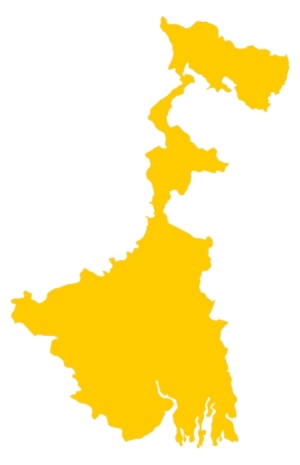 West Bengal
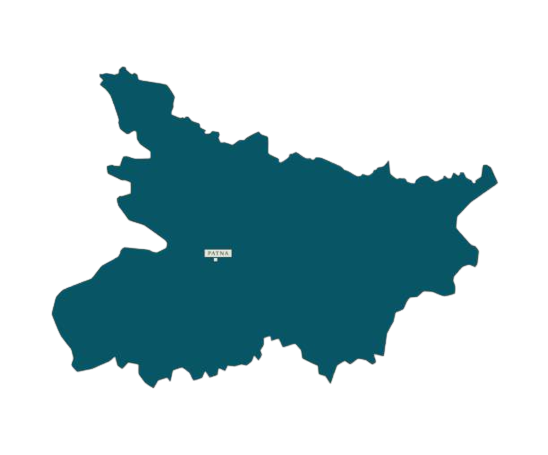 Bihar
Bihar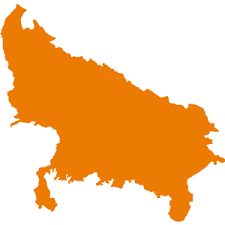 Uttar Pradesh
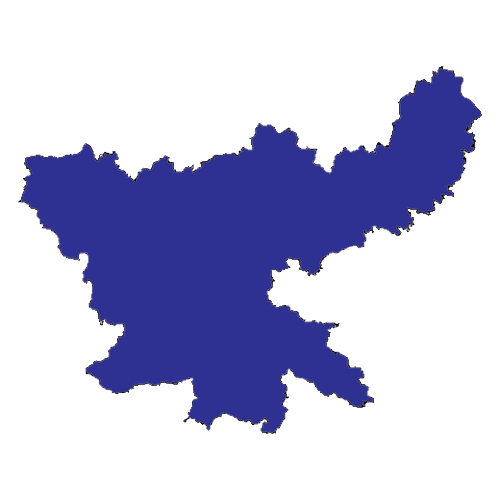 Jharkhand