
Facebook Down! Users across the world suffer login and feed errors
.gif)

Download Mobile App 






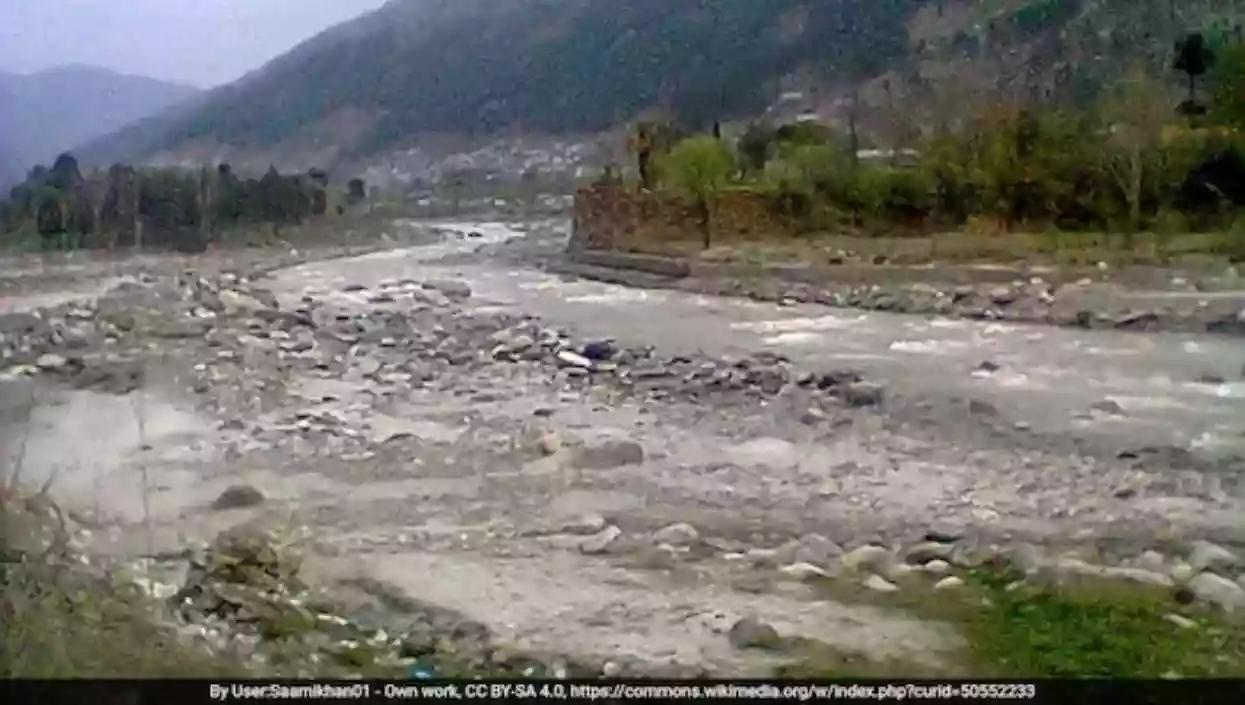
Taliban-ruled Afghanistan has announced plans to build dams on the Kunar river, aiming to restrict Pakistan’s access to water from cross-border rivers. The directive came from Supreme Leader Mawlawi Hibatullah Akhundzada, who instructed the Afghan Ministry of Water and Energy to begin construction as soon as possible and to engage domestic companies for the project. This announcement comes weeks after deadly clashes between Afghanistan and Pakistan, highlighting Kabul’s intent to assert its water sovereignty.
The 480-km-long Kunar river originates in northeastern Afghanistan and flows into Pakistan’s Khyber Pakhtunkhwa province, joining the Kabul river near Jalalabad. The Kabul river, in turn, feeds into the Indus, making the flow from Kunar crucial for irrigation and water supply in Pakistan’s Punjab and Khyber Pakhtunkhwa provinces. Experts warn that any reduction in water flow could have cascading effects on Pakistan’s agriculture and energy security.
Afghanistan’s move follows India’s suspension of the Indus Waters Treaty after the killing of civilians in Pahalgam, and comes amid India-Afghanistan cooperation on hydropower projects. India has assisted in projects such as the Salma Dam in Herat and the Shahtoot Dam on the Maidan river, aimed at energy generation and irrigation. The Taliban’s push to prioritize domestic control over water resources underscores its broader strategy of reducing reliance on neighboring countries.
Pakistan has expressed concern over unilateral Afghan actions, warning that they could trigger a regional water crisis. With no formal water-sharing agreement between the two countries, analysts say the construction of dams on the Kunar river could escalate tensions and complicate bilateral relations further.






.webp)



 West Bengal
 Bihar
Bihar Uttar Pradesh
 Jharkhand