
Kolkata Municipal Corporation board dissolved, Smita Pandey takes charge as 'administrator'
.gif)

Download Mobile App 






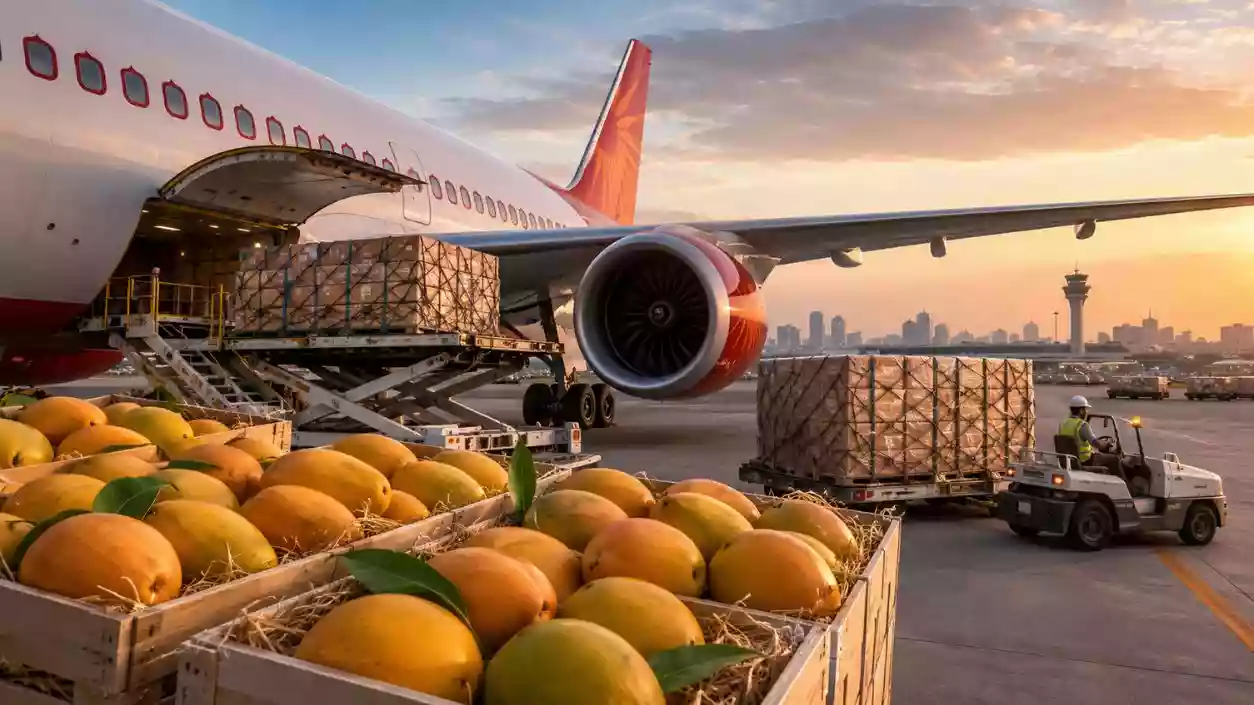
Air India exported more than 1,000 tonnes of mangoes between March and May as international demand for premium Indian varieties remained strong across major global markets. During the same period, the airline transported more than 3,300 tonnes of perishables and seafood, with mangoes accounting for a significant share of the cargo. According to the airline, Alphonso and Kesar mangoes recorded the highest demand among overseas buyers.
The strongest demand came from markets across Europe, North America, West Asia, and other international destinations. Alphonso and Kesar mangoes, primarily cultivated in Maharashtra and Gujarat, were the most sought-after varieties during the export season. These premium varieties continue to be among the most widely exported Indian mangoes due to their popularity in overseas markets.
Mumbai emerged as the principal export gateway because of its proximity to major mango-producing regions in western India. During peak weeks, Air India exported up to 180 tonnes of mangoes per week from Mumbai to London Heathrow Airport. The airline also transported around 40 tonnes per week to Frankfurt and approximately 30 tonnes per week each to Dubai, Newark, and John F. Kennedy International Airport.
To support the transportation of temperature-sensitive cargo, Air India expanded its cold-storage and active-container handling infrastructure across 14 airports. These facilities include airports in Delhi, Mumbai, Bengaluru, London Heathrow, Frankfurt, John F. Kennedy International Airport, and Newark. The airline stated that specialized equipment such as cooling dollies and thermal blankets is used to maintain stable temperatures during handling and transit.
Ramesh Mamidala stated that transporting more than 1,000 tonnes of mangoes within three months reflects both the scale of international demand and the effectiveness of the airline's cold-chain operations. He also noted that demand remains particularly strong in countries with large Indian diaspora populations, where mangoes are a widely consumed seasonal fruit during the summer months.



.webp)






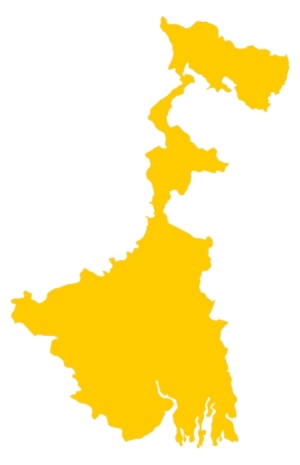 West Bengal
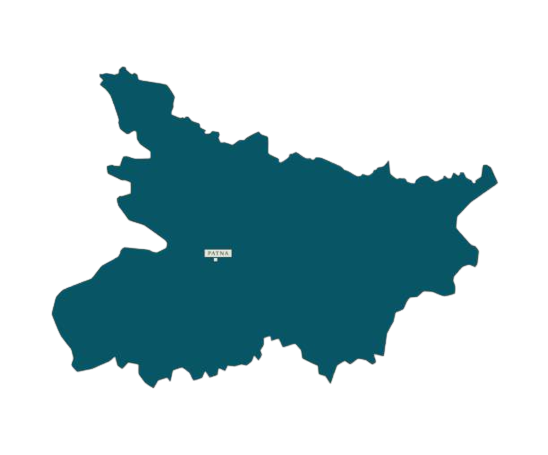 Bihar
Bihar Uttar Pradesh
 Jharkhand