
Abhishek slaps 10-crore defamation notice on Madan Mitra over 'murderer' jibe
.gif)

Download Mobile App 






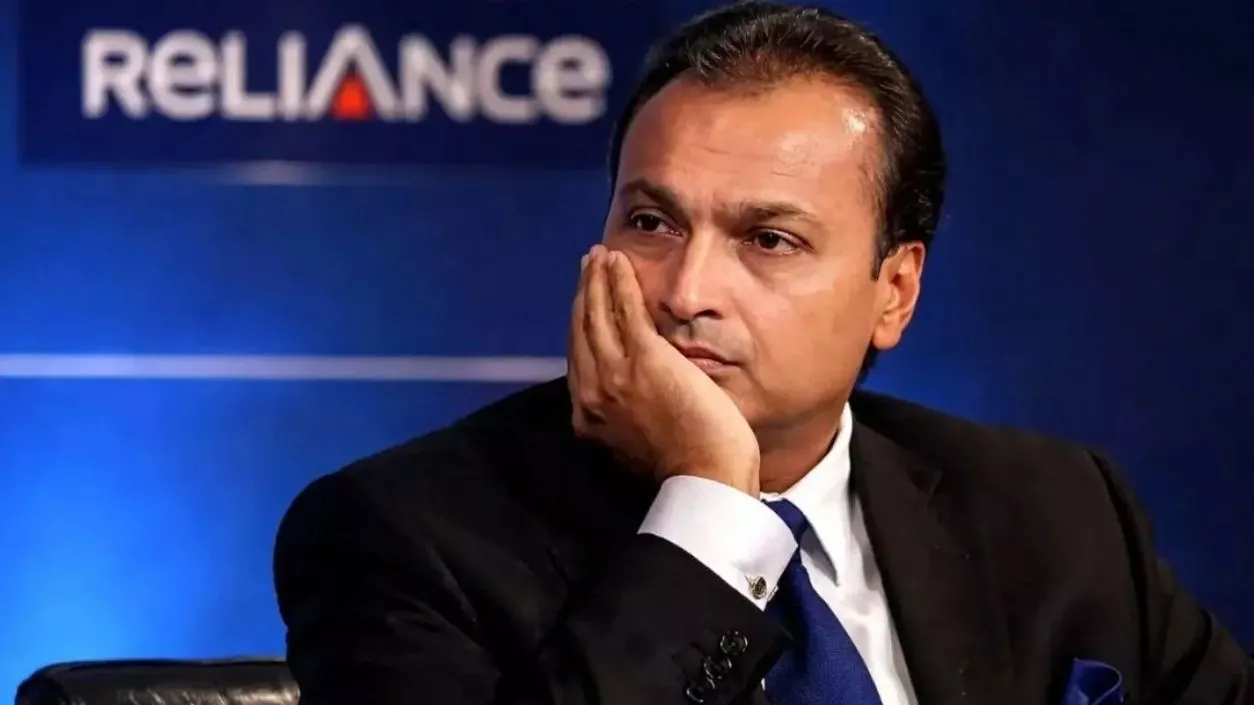
The Bombay High Court has granted industrialist Anil Ambani interim protection from coercive action, including prosecution and penalties, in an alleged tax evasion case under the Black Money Act. The court admitted his petition challenging the constitutional validity of certain provisions of the Black Money (Undisclosed Foreign Income and Assets) and Imposition of Tax Act, 2015, and directed the Union government to file its response. The petition will be taken up for final hearing at a later stage.
A division bench comprising Justices B.P. Colabawalla and Firdosh Pooniwalla noted that similar petitions challenging provisions of the Act are already pending before the court. While granting interim relief, the bench clarified that proceedings before the Commissioner of Income Tax (Appeals) may continue and orders may be passed. However, the court stated that no coercive action, including prosecution and penalty, shall be taken against Ambani until the final disposal of the writ petition.
The case stems from a notice issued by the Income Tax Department on August 8, 2022, alleging that Ambani evaded taxes amounting to more than ₹420 crore on undisclosed foreign funds exceeding ₹814 crore held in two Swiss bank accounts. According to the department, Ambani is liable for prosecution under Sections 50 and 51 of the Black Money Act, provisions that carry a maximum punishment of 10 years' imprisonment along with a monetary penalty.
The Income Tax Department has alleged that Ambani wilfully failed to disclose details of foreign bank accounts and financial interests to Indian tax authorities. Authorities further claimed that he was an economic contributor and beneficial owner of a Bahamas-based entity known as Diamond Trust and a British Virgin Islands-incorporated company named Northern Atlantic Trading Unlimited. The department alleged that these foreign assets were not disclosed in his income tax returns, resulting in violations of the Black Money Act.
In his petition, Ambani argued that the Black Money Act came into force in 2015, whereas the transactions cited by tax authorities relate to the assessment years 2006-07 and 2010-11. He contended that the provisions of the Act cannot be applied retrospectively. According to the assessment made by tax officials, the value of the undisclosed foreign assets was calculated at ₹814.27 crore, with the corresponding tax liability assessed at approximately ₹420.29 crore.










 West Bengal
 Bihar
Bihar Uttar Pradesh
 Jharkhand