
Abhishek slaps 10-crore defamation notice on Madan Mitra over 'murderer' jibe
.gif)

Download Mobile App 







In a major leadership transition, Apple has announced that John Ternus will take over as chief executive officer, replacing Tim Cook, who is stepping down after leading the company for 15 years. Ternus, currently the head of hardware engineering, will assume the role on September 1, while Cook will transition to the position of executive chairman after overseeing a smooth handover during the summer.
Cook, who became CEO in 2011 following the resignation of co-founder Steve Jobs, described his tenure as the “greatest privilege” of his life. Under his leadership, Apple transformed into one of the most valuable companies globally, becoming the first public firm to reach a $1 trillion valuation in 2018 and now standing at around $4 trillion. He will continue to assist the company in specific areas, including engagement with policymakers worldwide.
Ternus, a 25-year veteran at Apple, has played a key role in developing nearly all major products, including successive generations of the iPhone, iPad, AirPods, and Apple Watch. He also oversaw the transition of Mac computers from Intel processors to Apple’s in-house silicon, marking a significant technological shift. Calling Cook his mentor, Ternus expressed optimism about the company’s future and its ability to innovate further.
The leadership change comes amid growing scrutiny over Apple’s pace of innovation. While Cook strengthened the company’s financial position and global expansion, critics have argued that Apple has relied heavily on existing product lines, particularly the iPhone, without introducing a breakthrough product comparable to earlier innovations. Analysts believe appointing a hardware-focused leader signals a renewed push toward product differentiation and technological advancement.
With increasing competition in areas such as artificial intelligence and next-generation devices, the transition is seen as a strategic move to position Apple for its next phase of growth. Industry observers suggest that under Ternus, the company may focus more aggressively on emerging technologies and new product categories, aiming to balance its legacy of precision with the need for faster innovation.






.webp)

.webp)


 West Bengal
 Bihar
Bihar Uttar Pradesh
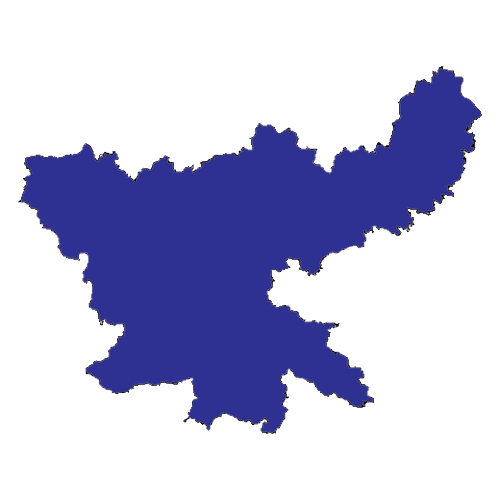 Jharkhand