
Mamata choses Dorina crossing for July 21 rally despite police allowing Brigade ground as venue
.gif)

Download Mobile App 






India's wholesale price inflation (WPI) climbed to 9.87 percent in June, up from 9.68 percent recorded in May, driven primarily by higher costs of food items, minerals, and other key commodities. Data released by the Ministry of Commerce and Industry on Tuesday, which uses 2022-23 as the base year, highlighted that rising input costs continue to keep wholesale inflation under persistent pressure. The ministry identified mineral oils (petroleum products), food articles, basic metals, and chemicals and chemical products as the most significant contributors to the upward trajectory of wholesale prices during the month.
The spike in wholesale prices occurs in the backdrop of the ongoing geopolitical conflict in West Asia and resultant disruptions in crude oil supplies caused by the effective blockade of the Strait of Hormuz—a vital shipping route for India's energy imports. Rising international crude oil prices have directly translated into higher local transportation and production costs, placing additional pressure on essential food items. Wholesale food inflation accelerated sharply to 5.49 percent in June from 3.60 percent in May, while non-food articles and minerals recorded inflation rates of 11.07 percent and 9.45 percent, respectively. Although fuel and power inflation moderated slightly to 27.41 percent from 30.33 percent in the previous month, it remained high enough to keep overall wholesale price levels elevated, while manufactured products inflation remained unchanged at 7.48 percent.
The upward movement in WPI aligns with the recent acceleration in retail inflation, which climbed to a 17-month high of 4.38 percent in June from 3.93 percent in May. While the Reserve Bank of India (RBI) primarily factors in retail inflation when determining domestic interest rate policies, the broader cost pressures remain a critical concern. Last month, the central bank revised its consumer inflation projection for the current fiscal year upward to 5.1 percent from 4.6 percent, citing the direct impact of high global energy prices on domestic fuel rates and manufacturing input costs.


.webp)



.webp)
.webp)

 West Bengal
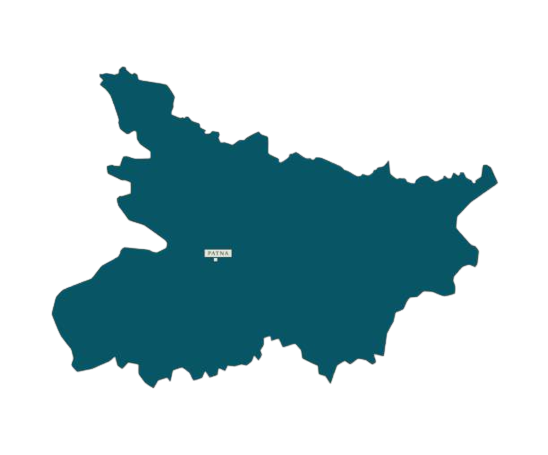 Bihar
Bihar Uttar Pradesh
 Jharkhand