.gif)

Download Mobile App 







The state government has withdrawn the petition filed by the previous administration challenging the National Investigation Agency's probe into the Beldanga unrest case, effectively removing any separate legal obstacle to the central agency's investigation. The decision was placed before the Calcutta High Court during Friday's hearing, allowing the NIA to continue its probe without facing a challenge from the state government. The next hearing in the matter has been scheduled for June 30.
During the hearing, the High Court directed the NIA to submit a supplementary report within ten days detailing the evidence it has gathered to justify the application of provisions under the Unlawful Activities (Prevention) Act (UAPA). The court will examine the material placed before it and determine whether the stringent provisions should continue to apply in the case. Proceedings concerning the applicability of the UAPA and the NIA's challenge to bail granted to certain accused persons will continue before the High Court.
According to the NIA, several new documents and pieces of evidence have emerged during the course of the investigation that may support the application of the UAPA. The agency informed the court that it would present those materials in its supplementary report. The High Court has directed the agency to place its findings on record before the next hearing.
The case relates to unrest in Beldanga in Murshidabad following allegations that a migrant worker from the area had been murdered and his body hanged in Jharkhand. After the body was brought back to Beldanga, large-scale protests took place. Demonstrators blocked National Highway 12 and disrupted railway services. The protest later turned violent, with allegations of vandalism, arson, damage to government property and destruction of railway infrastructure, leading to suspension of train services on the Lalgola-Sealdah route.
The NIA Special Court had earlier granted bail to 15 of the 35 arrested individuals, observing that the agency had not filed a charge sheet within the prescribed period. Challenging that order, the NIA approached the High Court, arguing that the lower court had granted bail without properly following Supreme Court guidelines and that releasing the accused while the investigation remained ongoing could adversely affect the probe. The High Court has sought further details regarding the investigation before taking a decision on the pending issues.







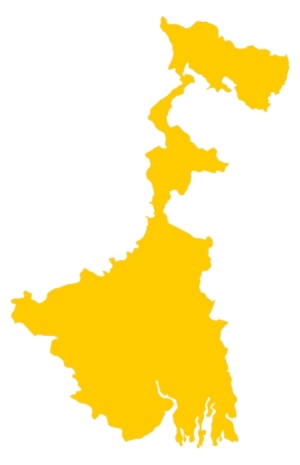 West Bengal
 Bihar
Bihar Uttar Pradesh
 Jharkhand