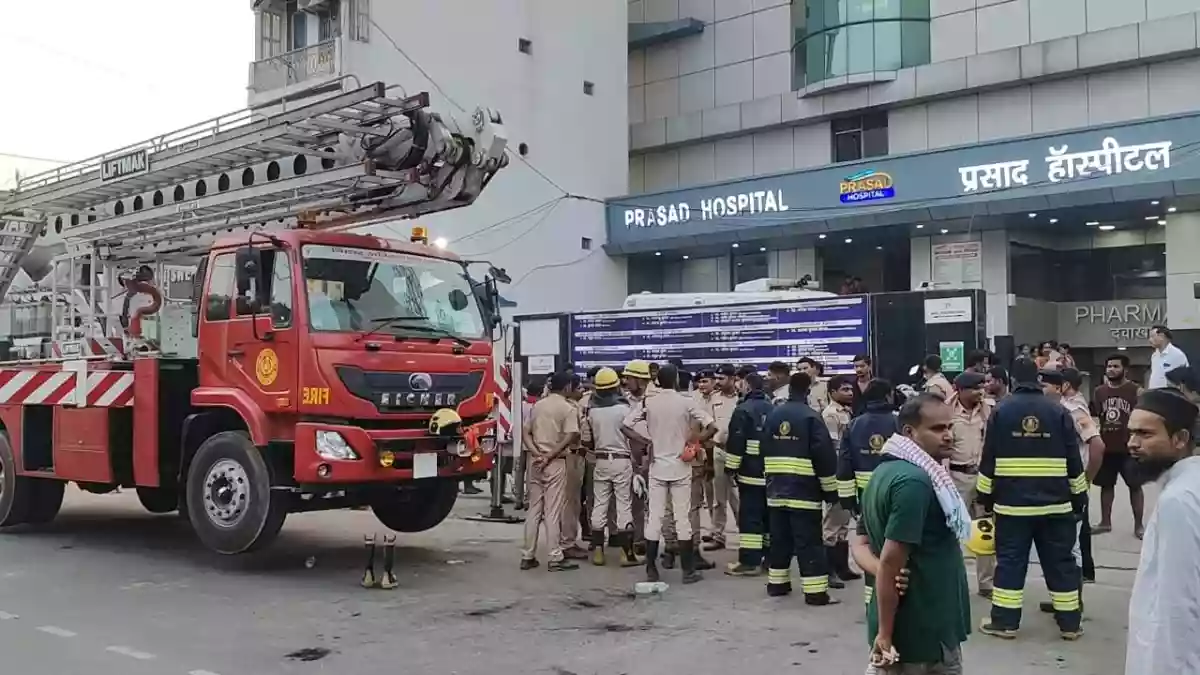
Muzaffarpur hospital blaze kills 3 patients, leaves 20 injured
.gif)

Download Mobile App 






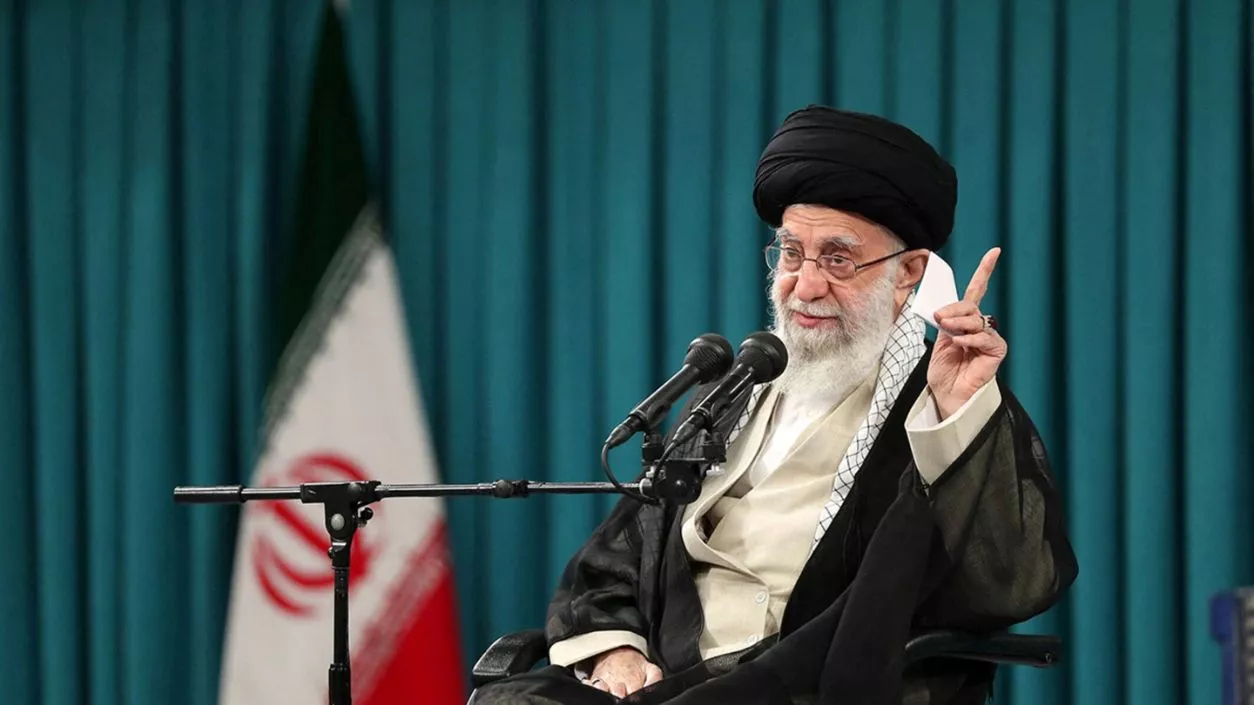
Iran’s Supreme Leader Ayatollah Ali Khamenei was killed in coordinated US-Israel airstrikes on his compound near Pasteur Street in Tehran after reportedly choosing not to go underground despite known assassination threats. The 86-year-old cleric, who had often spoken about martyrdom, was present at a meeting with senior officials when precision-guided munitions struck the complex.
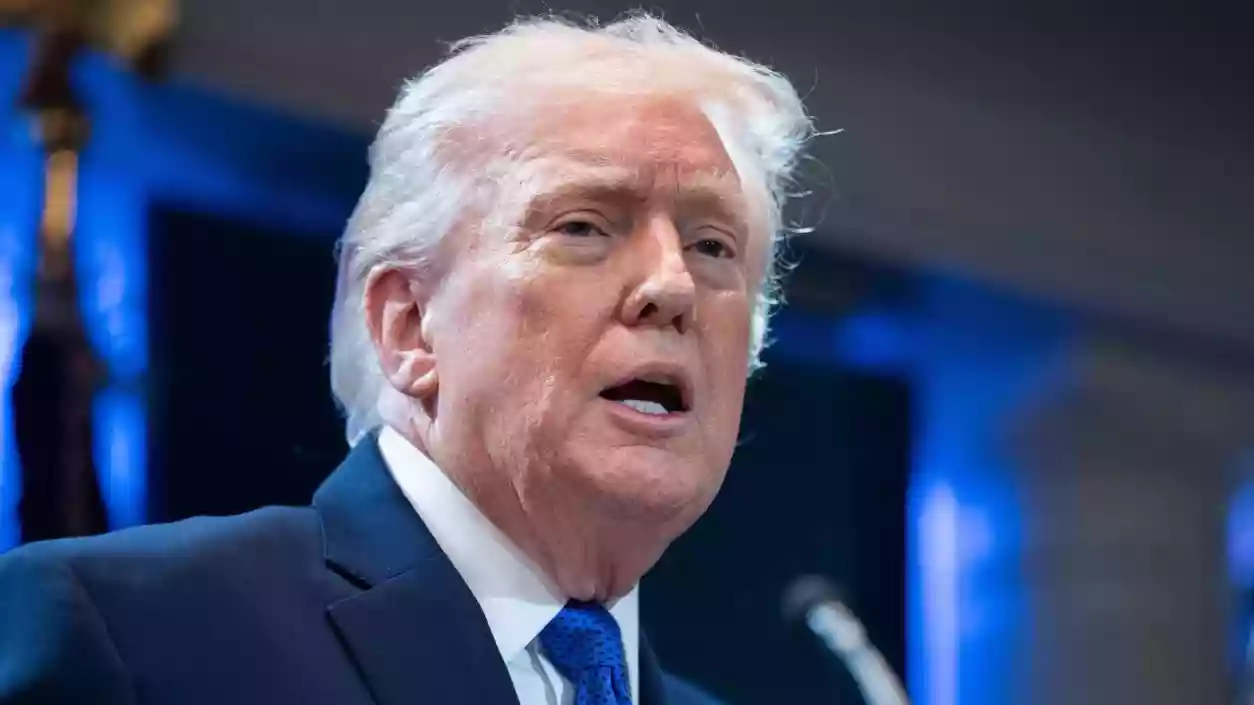
US President Donald Trump later claimed he had authorised the operation after Khamenei refused to halt work on Iran’s nuclear programme. The strikes were carried out under what was described as Operation Epic Fury, involving cyber operations to disrupt Iran’s air defence and communications systems before Israeli aircraft released multiple guided bombs in broad daylight.
Unlike his ally Hassan Nasrallah, who had spent years shifting between underground bunkers before being killed in Beirut in 2024, Khamenei did not typically live in hiding. Though he maintained fortified bunkers and had used them during periods of conflict, he remained overground at his office compound on the day of the attack. Intelligence assessments reportedly indicated his presence at a scheduled meeting, creating what officials saw as a narrow operational window.
The strike followed years of extensive intelligence gathering that mapped Tehran’s security environment in granular detail. Surveillance reportedly included hacked traffic camera feeds, analysis of mobile phone networks and monitoring of security routines to establish patterns of movement. Israeli doctrine required independent verification by senior officers before authorising a strike of such magnitude, with confirmation that Khamenei and key officials were present.
Officials familiar with the matter described the killing as ultimately a political decision rather than solely a technological breakthrough. Though tensions between Washington and Tehran had persisted, no previous attempt had been made to directly target the supreme leader. The operation was reportedly advanced once intelligence confirmed the high-level meeting, with planners concluding that striking before officials dispersed into hardened shelters would be strategically decisive.







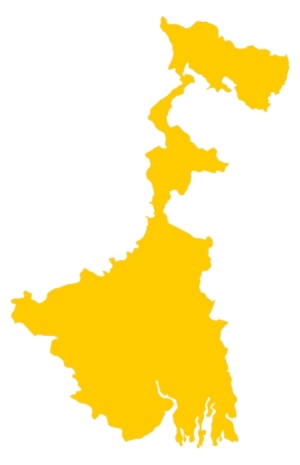 West Bengal
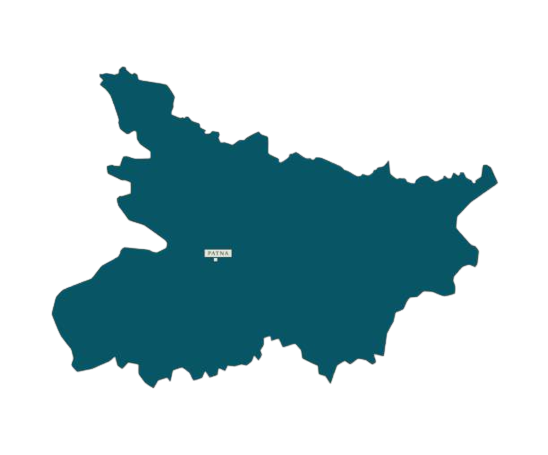 Bihar
Bihar Uttar Pradesh
 Jharkhand