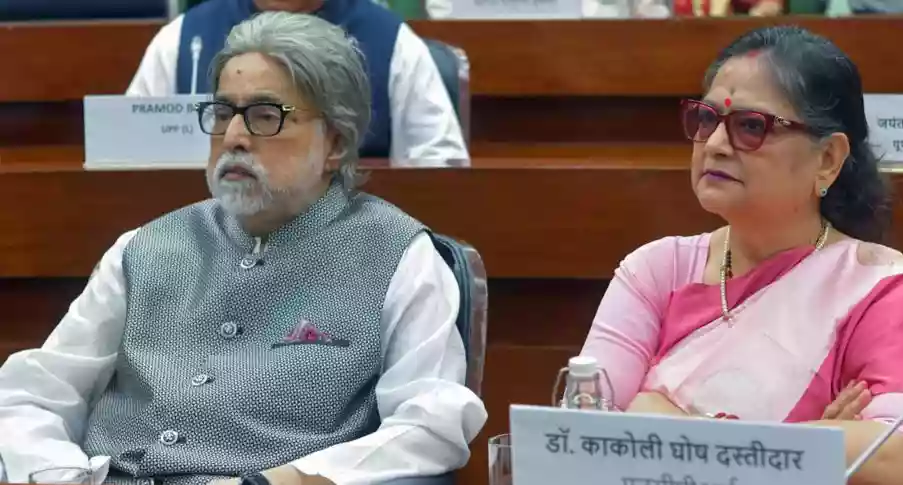
"Smaller parties shouldn't be prioritized": Sudip Bandyopadhyay hits at TMC
.gif)

Download Mobile App 






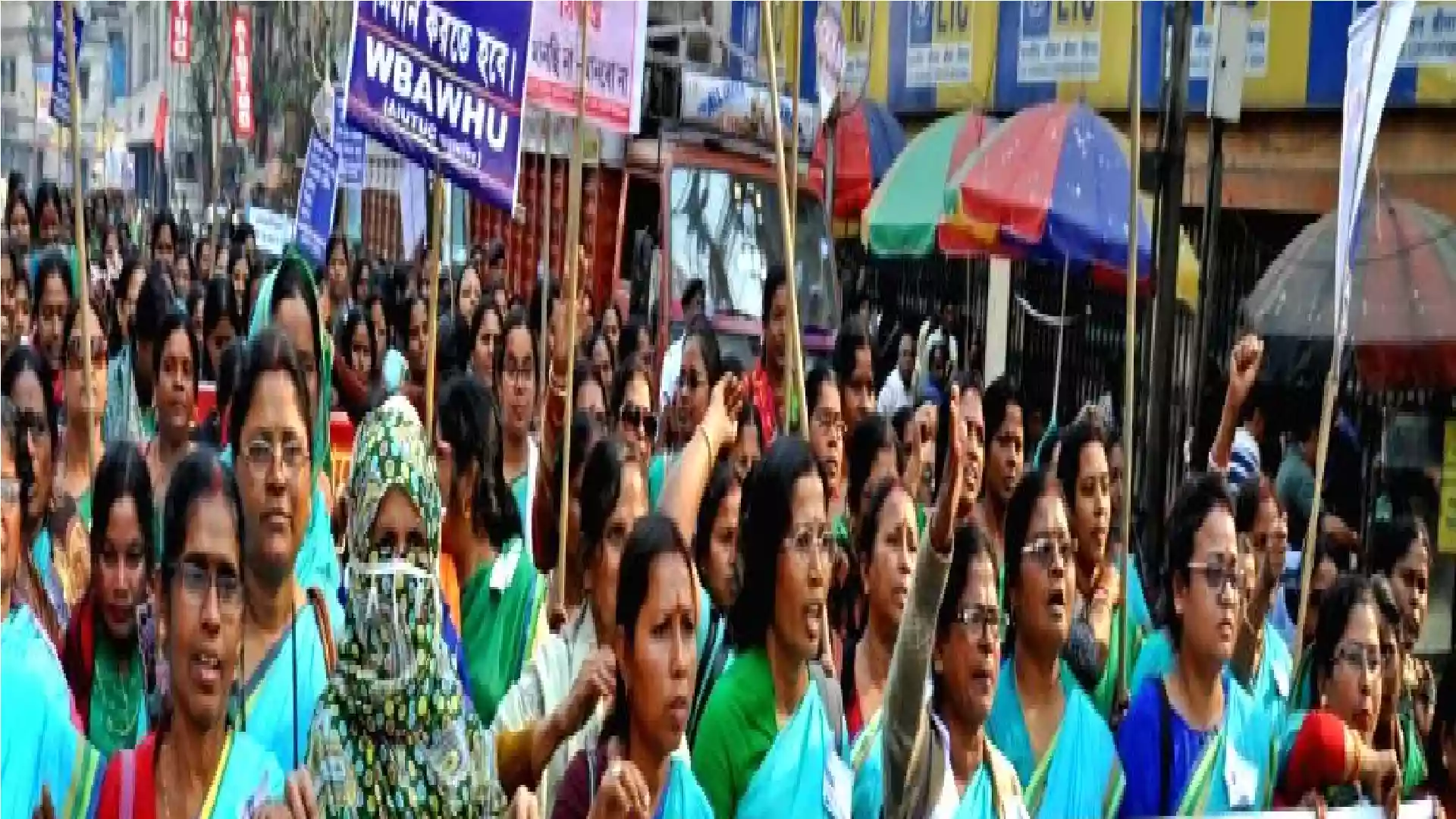
West Bengal's bustling anganwadi centers, where tiny hands clutch crayons and mothers share stories of daily grit, a well-intentioned government gift has ignited a firestorm of frustration among the state's frontline caregivers. West Bengal government announced a Rs 10,000 financial aid package in february budget to help over 1 lakh Anganwadi workers and helpers purchase smartphones—vital tools for digitizing nutrition tracking, child health surveys, and real-time reporting under the ICDS scheme. But the devil lurks in the fine print: officials mandated "specific quality" devices from approved lists, with draconian clauses holding workers personally liable if the phone is lost, stolen, or damaged. Legal action looms for non-compliance, turning what should be an empowering upgrade into a potential financial noose around necks already strained by modest honorariums of Rs 8,000-9,000 monthly. Today afternoon saw district leaders from the All Bengal Anganwadi and Helper Workers Association storm the Women and Child Development offices, banners aloft and voices united in chants. This isn't just about gadgets; it's a raw outcry from women who nurture Bengal's future, demanding dignity over dread in a role that's equal parts heartbeat and headache.
The protest, a simmering cauldron of chants and placards outside Kolkata's departmental headquarters, drew dozens of association reps from across districts like Burdwan, Hooghly, and Howrah, their faces etched with the exhaustion of juggling fieldwork and family. The aid, part of a broader Rs 200 crore February budget splash for Asha and Anganwadi tech upgrades, promised to bridge the digital divide. Helpers, often the unsung backbone earning even less, joined the fray, highlighting how the scheme overlooks recharge costs or training for app-heavy duties like Poshan Tracker uploads. Officials, caught off-guard, huddled for hurried talks, but the delegation's memorandum—demanding clause waivers, insurance coverage, and flexible device choices—hung unanswered, echoing years of unheeded pleas for wage hikes and permanent status. As evening arrives, the crowd disperses with a vow: no acceptance until the terms bend toward benevolence.
This escalating crisis reveals a profound systemic weakness in Bengal's social support structure, where Anganwadi warriors battle malnutrition and maternal woes on shoestring support, their pleas drowned in bureaucratic babble. Protests like this underscores a pattern: grand announcements crumbling under implementation's weight. Critics whisper of political posturing ahead of local polls, but for the workers, it's visceral—phones meant to empower now symbolize suspicion, as if their selfless service needs surveillance. As Diwali lamps flicker toward Kali Puja's edge, this standoff spotlights the irony: a government championing women's empowerment shackling its quiet heroines with liability locks. In the end, these voices demand not just devices, but trust—a recharge for the spirit that truly feeds the nation's young.








 West Bengal
 Bihar
Bihar Uttar Pradesh
 Jharkhand