
Abhishek slaps 10-crore defamation notice on Madan Mitra over 'murderer' jibe
.gif)

Download Mobile App 






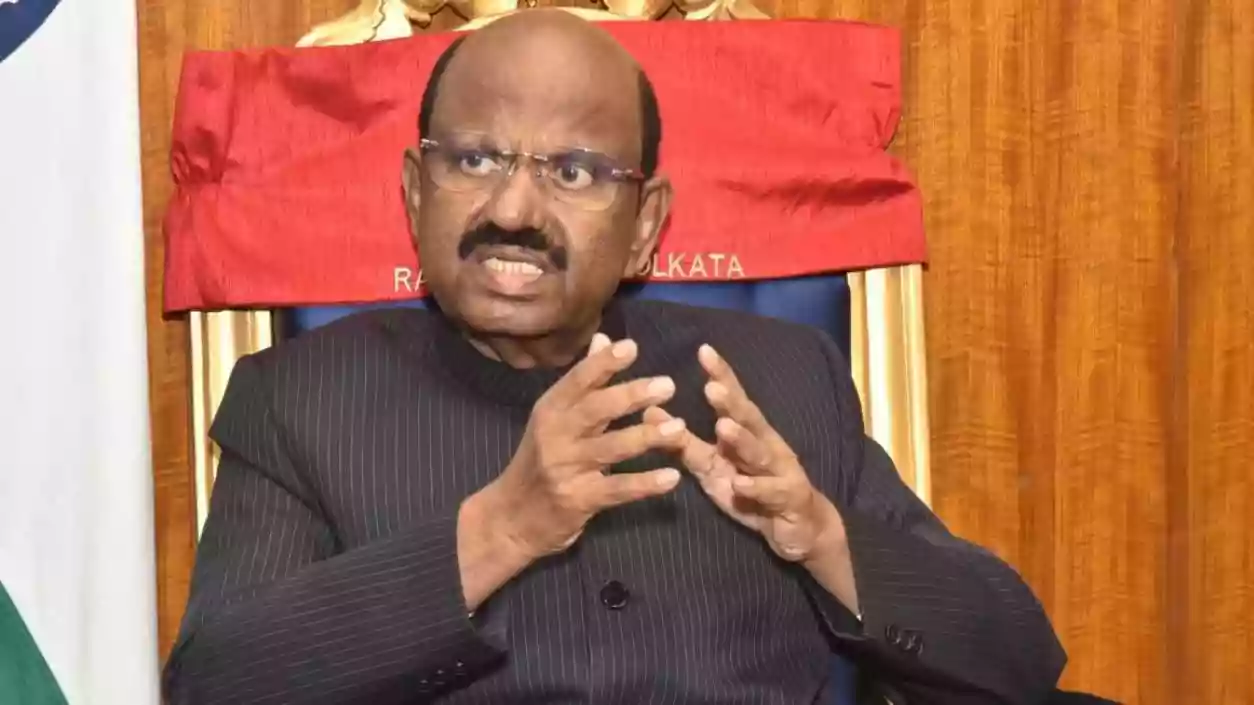
Political uncertainty has intensified in West Bengal following the sudden resignation of Governor C. V. Ananda Bose, raising fresh speculation about a possible constitutional crisis in the state. With the deadline for the Assembly elections approaching and administrative challenges mounting, political circles are now discussing the possibility of central intervention if the electoral process fails to proceed on schedule.
According to reports, Bose was summoned to Delhi and resigned from his position on Thursday night. Chief Minister Mamata Banerjee later indicated through a social media post that Tamil Nadu Governor R. N. Ravi has been given additional charge of West Bengal. The abrupt change at Raj Bhavan has prompted speculation about potential administrative developments in the coming weeks.
The situation is further complicated by the approaching expiry of the current State Assembly’s term on May 7. Under constitutional provisions, a new government must be formed before this date. If elections cannot be conducted within the required timeframe, the state could face an administrative vacuum, intensifying the debate over constitutional options.
A major hurdle lies in the ongoing Special Intensive Revision (SIR) of the voter list. Despite the release of the final voter roll, verification of documents linked to nearly 60 lakh voters remains incomplete. Available data indicates that around 6.15 lakh documents have been verified so far, while more than 54 lakh documents still require scrutiny, making it difficult to complete the process before the deadline.
While the opposition has argued that delays and concerns over law and order could justify the imposition of President’s Rule under Article 356, the ruling Trinamool Congress has blamed the Election Commission for the situation. The party maintains that if elections are delayed due to technical reasons, the current government may continue in a caretaker capacity until the electoral process is completed.




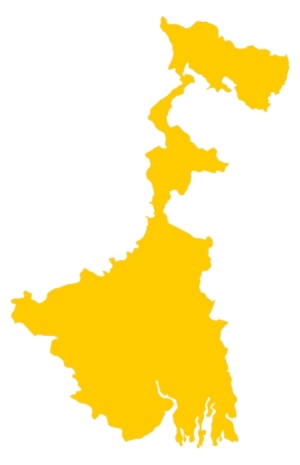 West Bengal
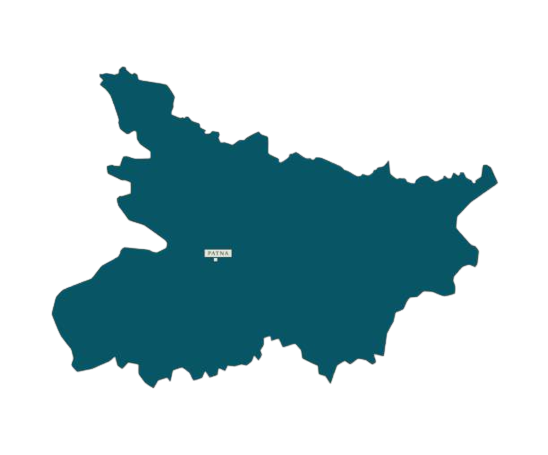 Bihar
Bihar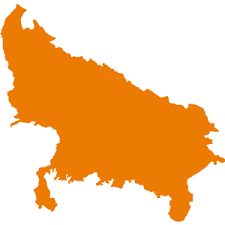 Uttar Pradesh
 Jharkhand