
Abhishek slaps 10-crore defamation notice on Madan Mitra over 'murderer' jibe
.gif)

Download Mobile App 






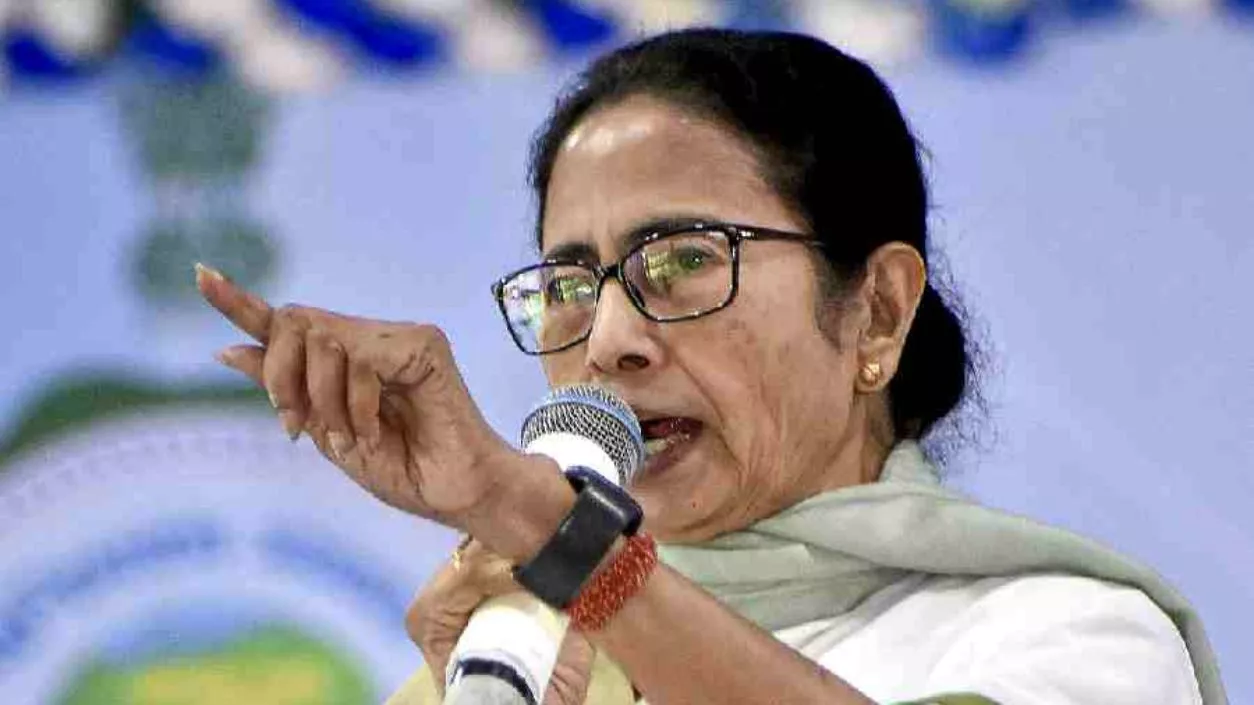
The West Bengal government has initiated a rigorous assessment of the Panchayat and Rural Development Department’s performance, starting July 2025. The process is being carried out under directives from the state secretariat, Nabanna, with the aim of strengthening the implementation of rural schemes before the 2026 Assembly elections. For this purpose, new parameters have been added to existing evaluation methods to enhance transparency and accountability.
The state is reviewing how many development schemes were completed by panchayats in the financial year 2024–25, how much revenue was generated, and the percentage of that revenue used for public welfare. The government has directed that at least 50% of a panchayat’s total income must be spent on welfare activities. Additionally, there is a target for panchayats to increase their revenue by at least 10% compared to the 2023–24 fiscal year.
To facilitate real-time monitoring, a new digital portal has been developed for data entry and progress tracking. District-level officials have also been instructed to ensure that revenue generated by panchayats is spent in a planned and time-bound manner. A district magistrate from South Bengal noted that in many cases, funds remain unutilised despite revenue being generated, and this has prompted the state to initiate a structured and strict review.
Panchayat Minister Pradip Majumdar stated, “Every year this administrative evaluation is called ‘evaluation’, but this time the process is being made more systematic.” The department has been asked to follow deadlines for the implementation of approved schemes and to improve core infrastructure projects within set timelines. Departments linked to rural development have been told to coordinate closely to avoid procedural delays.
According to a senior state official, the Panchayat and Rural Development Department received the highest allocation in the last state budget. The state has claimed that due to the non-disbursal of funds by the central government for schemes such as the 100-day rural employment guarantee and the Pradhan Mantri Gram Sadak Yojana, the state exchequer is currently covering these costs. In this context, rural performance has become a priority area for departmental focus and financial planning.




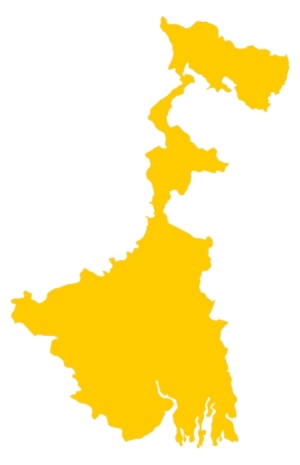 West Bengal
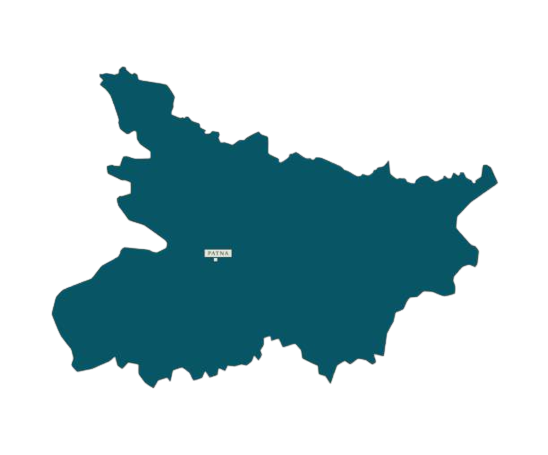 Bihar
Bihar Uttar Pradesh
 Jharkhand