.webp)
Angry mob vandalises TMC leader's house, sets fire over corruption allegations
.gif)

Download Mobile App 






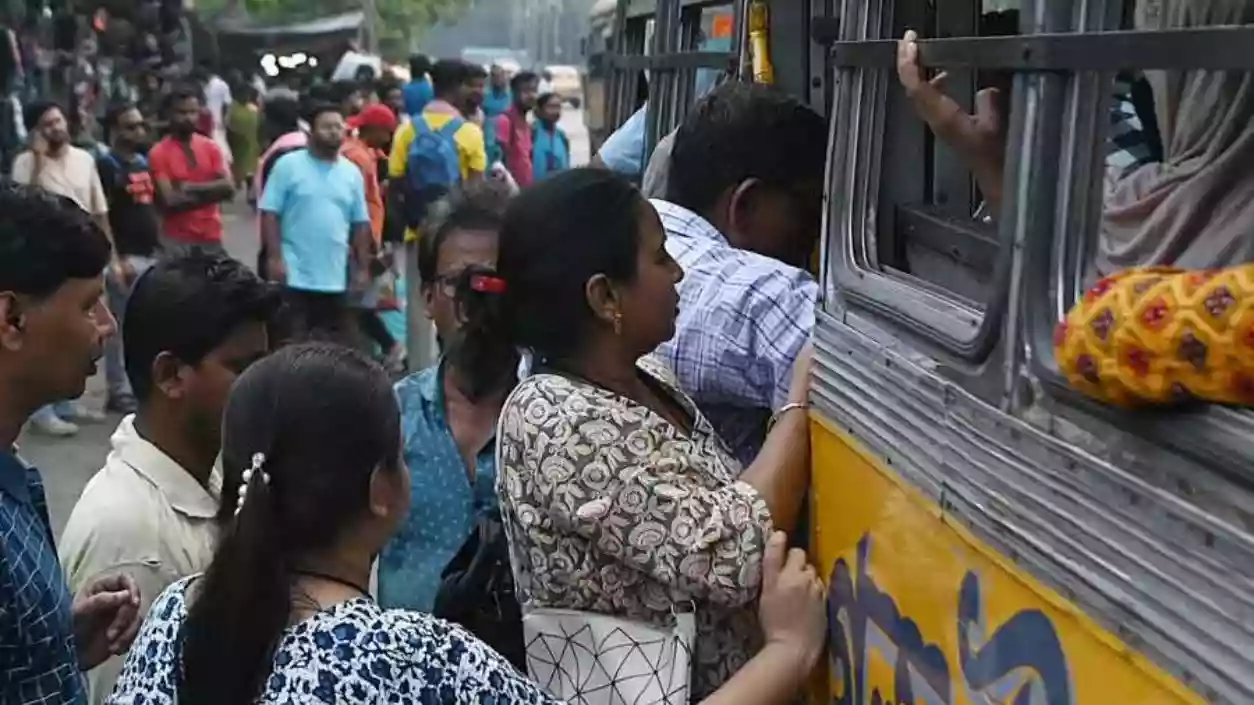
Ahead of the upcoming Assembly elections scheduled in two phases on April 23 and 29, the West Bengal government has revised the hiring charges for vehicles deployed in election duties, introducing an average increase of around 10% compared to the 2024 Lok Sabha polls. The revised rates, approved by the finance department, were formally communicated by Transport Secretary Saumitra Mohan to the Chief Electoral Officer, and will be implemented immediately across districts.
Under the new structure, the daily hiring charge for buses has been fixed at ₹2,780, up from ₹2,530 earlier, while minibuses will now cost ₹2,300 per day compared to ₹2,090 previously. Small passenger vehicles (up to seven seats) will be hired at ₹980 per day, marking an increase from ₹890. For maxi cabs, the revised rates stand at ₹1,440 for smaller units (up to seven passengers) and ₹1,720 for larger vehicles accommodating 14 to 22 persons, both reflecting a noticeable hike from earlier rates.
The revised framework also covers a wide range of transport categories including autos, e-rickshaws, goods vehicles and even water transport, aiming to standardise payments and ensure smooth logistics during the election process. Officials indicated that the move is designed to address rising operational costs while maintaining transparency and preventing disputes during vehicle deployment for poll duties.
A uniform daily meal allowance, commonly referred to as ‘khoraki’, has been fixed at ₹280 per person for drivers and crew, a marginal increase from ₹250 during the last parliamentary elections. While transport operators have welcomed the hike in hiring charges, some expressed dissatisfaction over the relatively modest increase in the allowance, arguing that it does not fully reflect the rise in living and operational expenses.
Transport operators’ bodies had earlier demanded a 20–30% increase in hiring charges citing higher costs of fuel, maintenance, insurance and wages. While the government’s revision falls short of that demand, officials believe the updated rates strike a balance between operational viability and administrative feasibility, ensuring adequate vehicle availability for the smooth conduct of elections.


.webp)

.webp)
.webp)
.webp)
.webp)

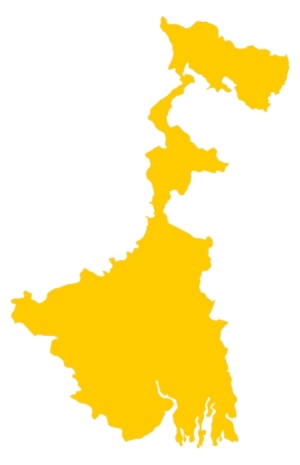 West Bengal
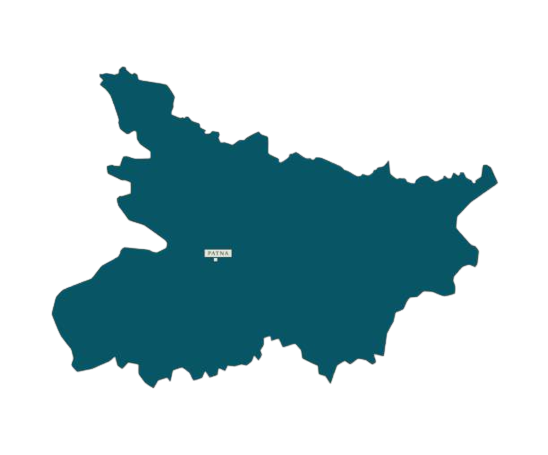 Bihar
Bihar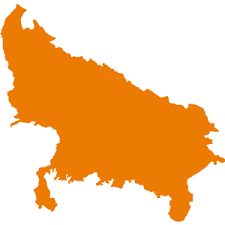 Uttar Pradesh
 Jharkhand