.gif)

Download Mobile App 






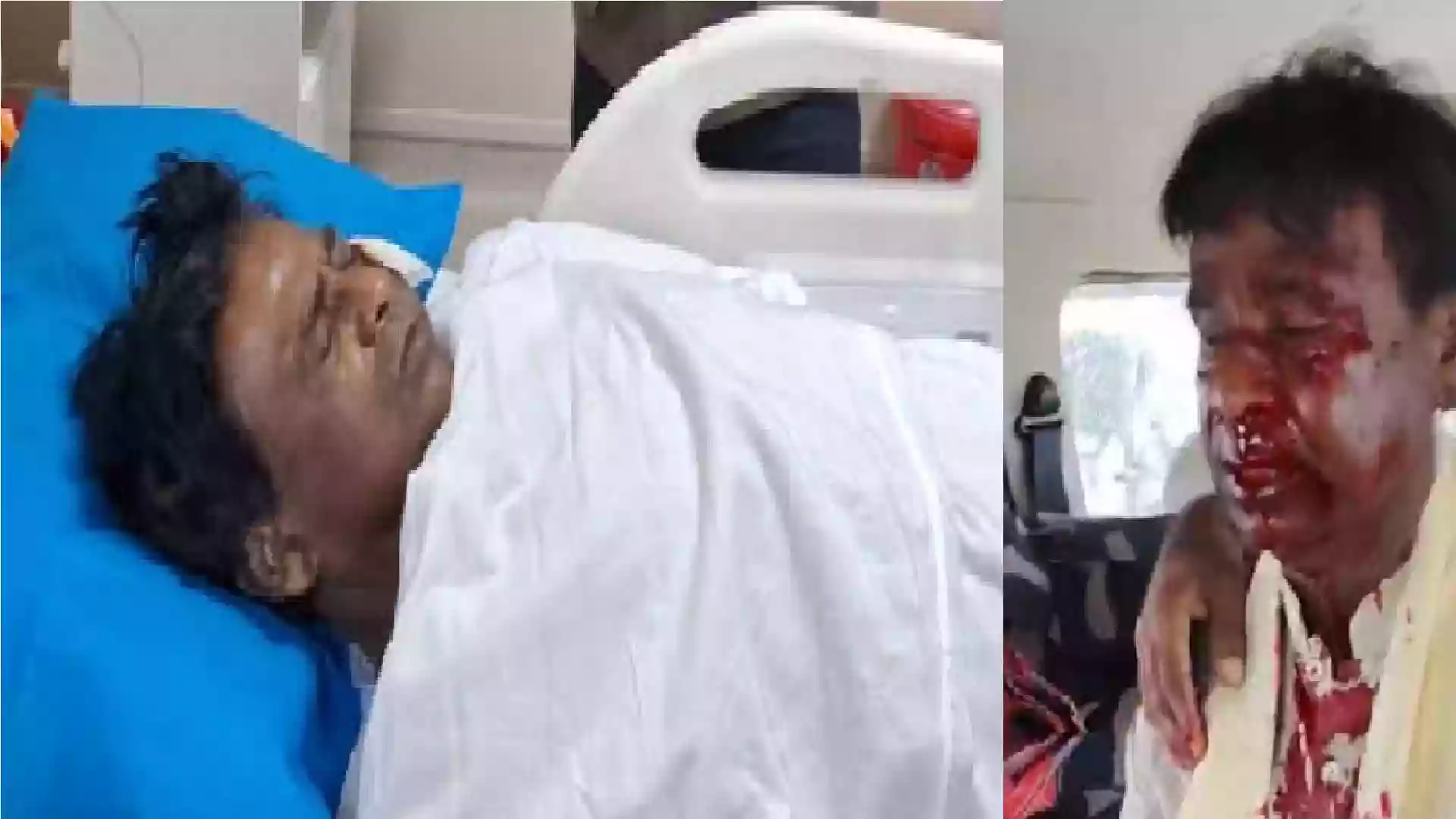
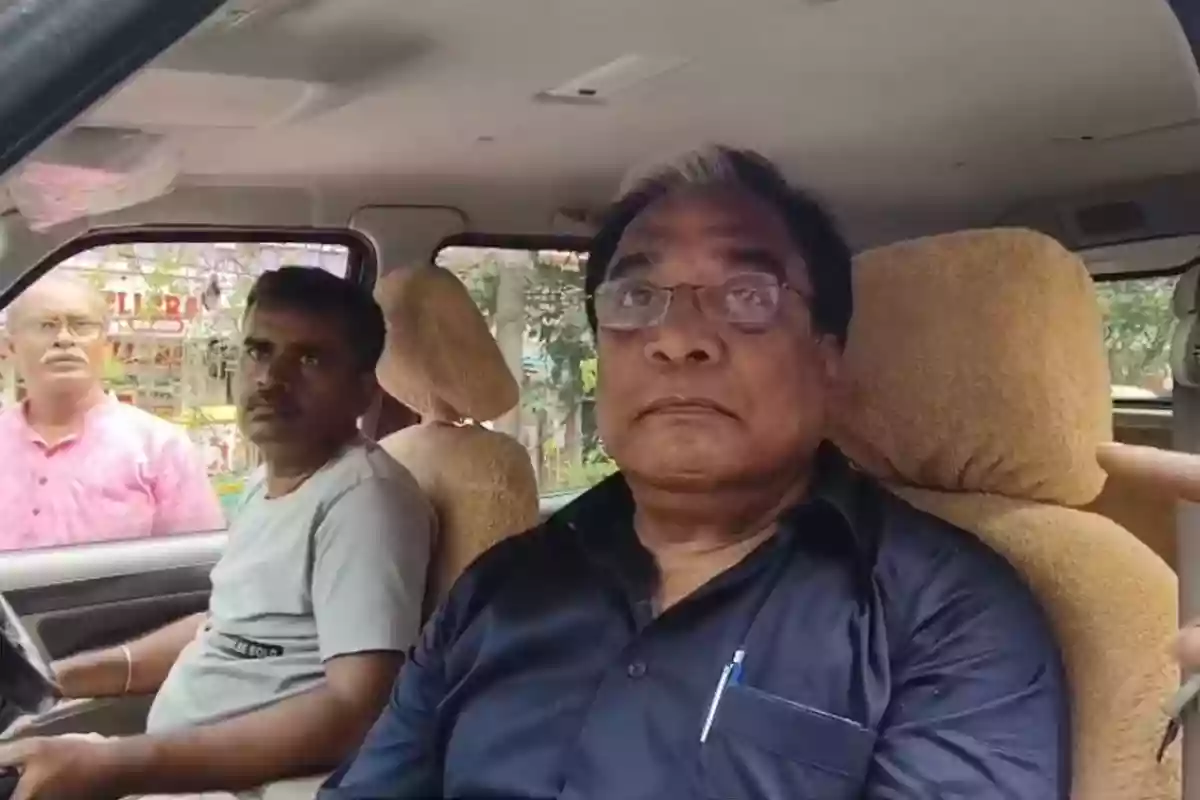
In the flood-ravaged heart of Nagrakata, Jalpaiguri district, a routine inspection of devastated farmlands spiraled into shocking violence yesterday, leaving two BJP leaders battered and the community on edge—yet the eight named attackers remain at large, fueling a political storm just as relief efforts intensify. Khagen Murmu, the BJP MP from Maldah Uttar, bore the brunt with a fractured bone under his eye that demands urgent surgery, while his colleague Shankar Ghosh, the Siliguri MLA, escaped with stable but painful injuries; both were rushed to a private hospital in Siliguri amid cries of foul play. This brazen assault, allegedly sparked by local frustrations over aid delays, has exposed raw tensions in West Bengal's Dooars region, where swollen rivers have already claimed livelihoods—now, with no arrests after a full day, the BJP vows massive protests, branding it a blatant failure of TMC's law and order.
As Murmu fights for recovery in ICU, possibly facing transfer to Delhi's AIIMS before opting for local intervention, the incident underscores how disaster zones can ignite political powder kegs, leaving residents caught between survival and suspicion.The attack unfolded like a scene from a gritty thriller: Murmu and Ghosh, armed with nothing but clipboards and concern, were surveying the flood's wrath—homes submerged, crops ruined, families displaced—when a furious mob descended. Eyewitness accounts paint a chaotic blur of shouts turning to shoves, then fists and improvised weapons, with Murmu collapsing in a pool of his own blood, his face a mask of agony from the eye socket blow.
Ghosh, equally targeted, managed to fend off some blows but not without bruises that speak to the ferocity. The FIR, filed swiftly that evening, pins the blame on eight locals whose photos have been circulated like wanted posters in a Western, yet as of today, police lines stayed quiet—no raids, no cuffs, just promises of "ongoing investigations" that ring hollow to the victims' supporters. In a region where floodwaters recede slowly, this delay feels like salt in the wound, amplifying whispers of political shielding.West Bengal's Dooars, with its lush tea gardens and fragile ecology, has long simmered with undercurrents of unrest, but the 2025 monsoon's fury has peeled back the layers.
Heavy rains since late September swelled the rivers, displacing thousands and crippling infrastructure, turning Nagrakata into a patchwork of mud and misery. BJP's visit was meant as a show of solidarity—highlighting gaps in state relief, they say—but to locals, it smacked of opportunism, a "photo op" amid their despair. This clash isn't isolated; it's the latest flashpoint in the BJP-TMC tug-of-war, where every aid truck and protest march becomes a battleground. As Ghosh stabilizes in his ward, chatting defiantly with visitors, the real casualty here is trust—eroded further by the accused's freedom, prompting BJP workers to rally outside the hospital, banners aloft, demanding swift justice before the floods' scars heal.From the BJP's corner, the outrage is palpable and organized.
As time passes by today, the hospital corridors buzzed with a mix of prayers and plots, while Nagrakata's lanes stayed eerily watchful, flood pumps humming in the background. Police, under quiet pressure, vowing intensified patrols and forensic sweeps, but without a single collar, skepticism reigns. Environmentalists murmur about how climate-fueled floods exacerbate these divides, breeding desperation that boils over into brawls. For the victims' families, it's sleepless vigil. This Nagrakata episode, raw and unresolved, isn't just a local skirmish—it's a microcosm of Bengal's polarized pulse, where floodwaters wash away homes but unearth deeper rifts. Until those eight faces are behind bars, the real deluge might just be the one of distrust, threatening to submerge the fragile peace in North Bengal in coming days..




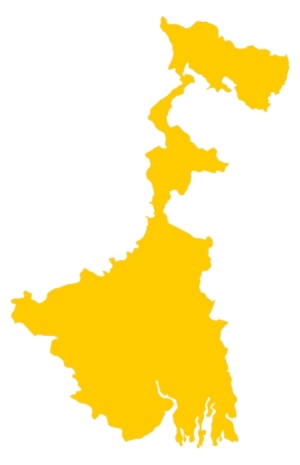 West Bengal
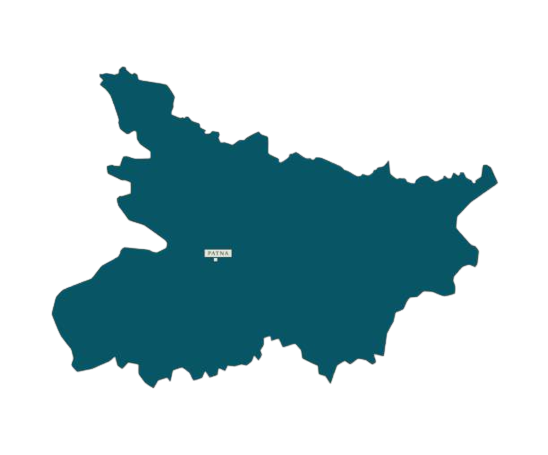 Bihar
Bihar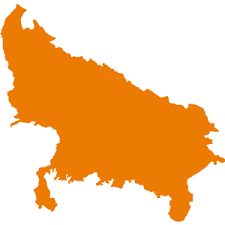 Uttar Pradesh
 Jharkhand