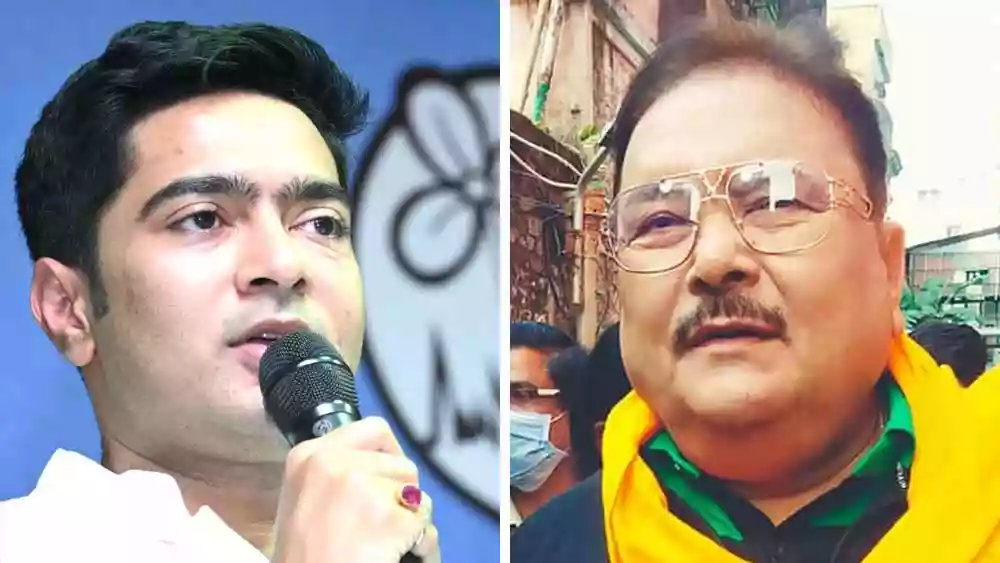
Abhishek slaps 10-crore defamation notice on Madan Mitra over 'murderer' jibe
.gif)

Download Mobile App 







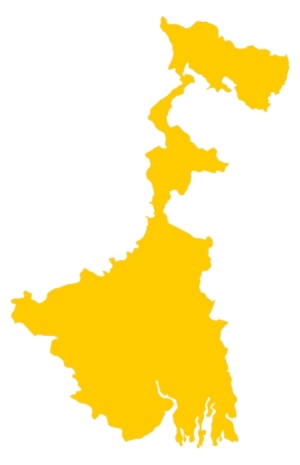
West Bengal's public bus service is facing a severe crisis as a critical shortage of drivers is forcing many vehicles to sit idle in depots and garages. Despite long queues of commuters at bus stops across the state, a shocking lack of manpower is preventing these buses from operating, crippling the public transport system. The situation has been gradually worsening, but recent data from the transport department paints an alarming picture that signals a deeper problem.
A recent report from the transport department highlights the dramatic decline in the number of individuals seeking to become bus drivers. In the past year, fewer than 50 people applied for a bus driver's license across the entire state, a stark contrast to the 800 to 1,200 applications that were common just a few years ago. This sharp drop indicates that young people are increasingly turning away from the profession, a trend that is fueling the current crisis.
The reasons behind this aversion are largely economic. Bus drivers, particularly those in the private sector, lament that the profession no longer offers a stable or lucrative income. While government bus drivers receive a meager fixed salary, private bus drivers' earnings are directly tied to the number of passengers they carry. With passenger numbers dwindling, their income has become highly unstable and insufficient to make a living, driving them away from the profession.
The rise of alternative and more convenient modes of transportation, such as autos, totos, and e-rickshaws, has significantly impacted the bus sector. In Kolkata, the rapid expansion of the metro rail network has further siphoned off passengers, with many commuters now preferring the speed and reliability of the metro over buses. This shift in commuter preference has made it difficult for bus owners to cover their expenses and has, in turn, severely affected the earnings of their drivers.
Consequently, many individuals who already hold a bus driver's license are now switching to driving goods vehicles. The earnings from this sector are considered more stable and generally higher than what they could make from driving buses. For bus owners, the financial strain is immense, as the high costs of fuel and maintenance often make it unviable to operate their fleets, forcing them to keep buses parked even when there is a demand for them.
The crisis is also linked to a lack of new drivers entering the pipeline. According to Tapan Bandyopadhyay, Secretary of the Joint Council of Bus Syndicates, a central government training program that used to produce over a thousand new bus drivers annually has been discontinued. This has left a void in the training and recruitment of new drivers. State Transport Minister Snehasish Chakraborty has acknowledged the gravity of the problem, stating that the government is trying to address it through various camps and awareness programs to attract new applicants, but so far, these efforts have not been successful.




 West Bengal
 Bihar
Bihar Uttar Pradesh
 Jharkhand