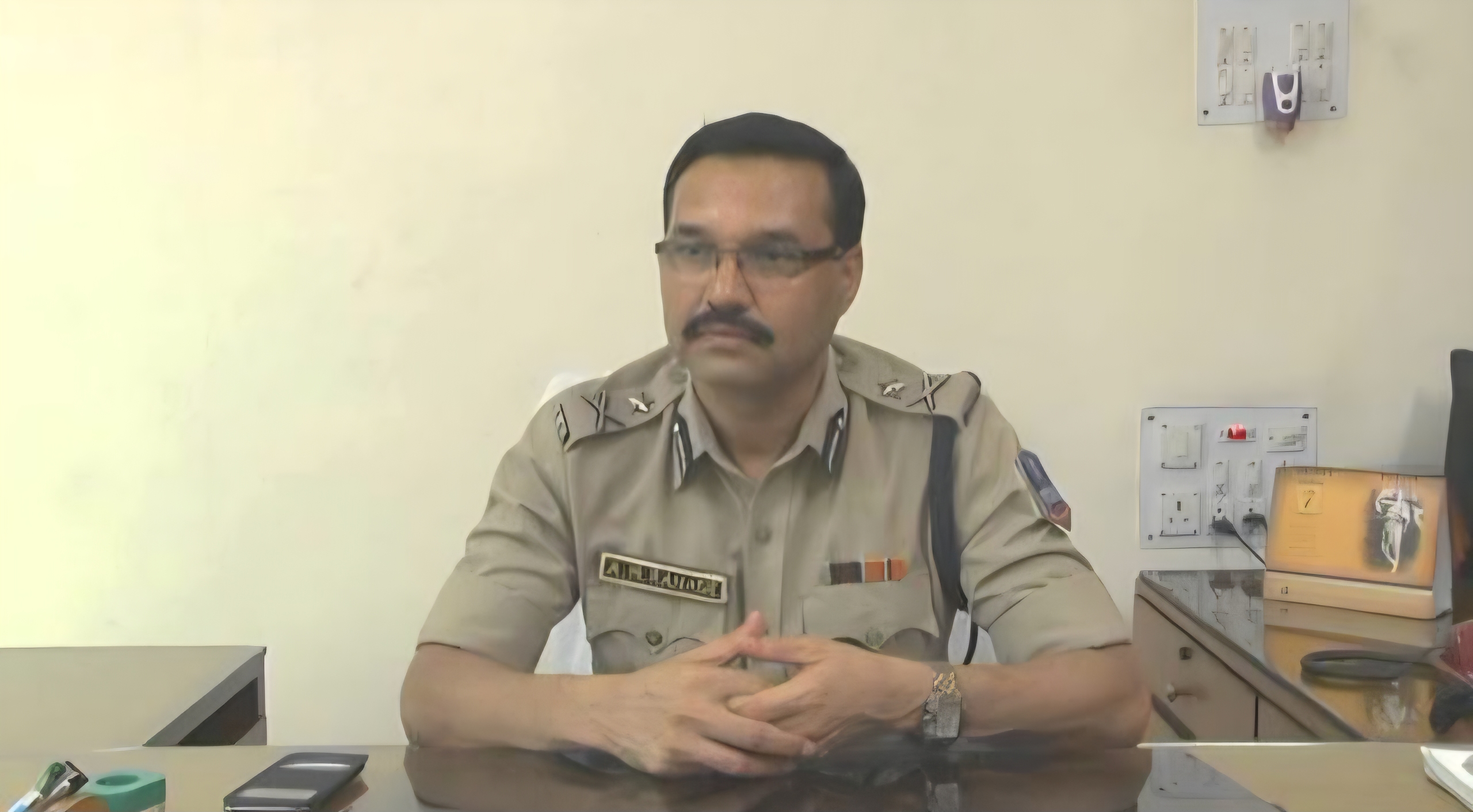
Bengal Govt elevates IPS Ajay Mukund Ranade to DGP (Law and Order)
.gif)

Download Mobile App 






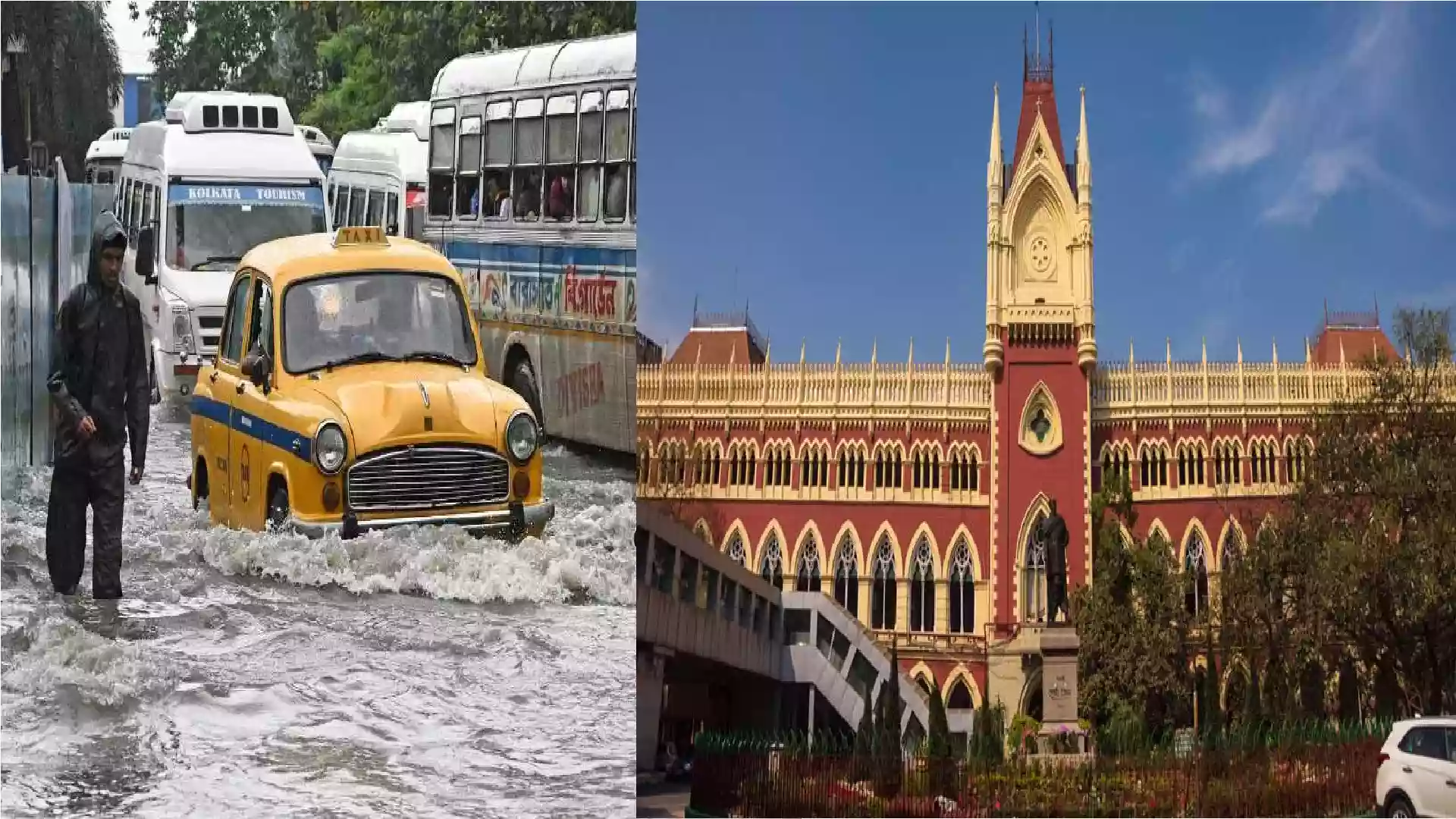
In the shadow of a deluge that has turned Kolkata's streets into silent graveyards, the Calcutta High Court on today, unleashed a judicial thunderbolt, summoning detailed reports from power giant CESC and the Kolkata Municipal Corporation (KMC) to unravel the chain of negligence behind at least nine electrocution deaths that struck the city like lightning amid unprecedented rains. Acting Chief Justice Soumen Sen and Justice Apoorva Sinha Roy's Division Bench, taking suo motu cognizance of the tragedy—sparked by over 250 mm of overnight downpour on September 23 that flooded low-lying neighborhoods and exposed frayed wires—demanded accountability for the preventable horrors that claimed lives from Behala to Beniapukur.
Chief Minister Mamata Banerjee, her voice cracking with fury during Puja inaugurations, had already pinned the blame on CESC's "criminal negligence," announcing Rs 2 lakh ex-gratia and jobs for victims' kin, while urging the utility to cough up Rs 5 lakh more per family. The court sets the next hearing for November 7. The nightmare unfolded in the pre-dawn gloom of September 23, when a low-pressure system's fury dumped nearly 20% of Kolkata's annual rainfall in seven sodden hours, transforming bustling bylanes into electrified traps.
Victims, ordinary folk like daily-wage laborers and hurried commuters, met grisly ends: a father in Mominpore clutching a live pole while wading home, a young woman in Garfa zapped by submerged cables near her doorstep, and an elderly man in Ballygunge felled by faulty wiring in his flooded courtyard. Reports tally at least ten dead—eight in the city alone—with one more injury, as CESC scrambled to cut power in hotspots like Jadavpur and Khidderpore, leaving swathes in blackout. Opposition heavyweights from BJP and CPI(M) seized the moment, branding the deaths "state-sponsored murders" and decrying decades of "promoter raj" that choked drains with encroachments, turning a natural storm into a man-made massacre.
Yet, the High Court's order slices through the finger-pointing: CESC must furnish a comprehensive report on safety protocols, rapid response mechanisms, and why preventive outages weren't proactive amid IMD's red alerts. For KMC, the directive is equally stark—detail every desilting drive, drain clearance, and anti-flood measure undertaken, or not, in the lead-up to this year's torrent. The state government, too, must apprise on compensation disbursal, with Banerjee's pledge of one job per bereaved family a bandage on a gaping wound. As pumps dronea in Salt Lake and EM Bypass inches toward normalcy, grieving kin huddle in queue for aid, their loss amplified by the irony: Durga Puja's goddess of power arrives amid a blackout of basic safeguards.Beyond the legalese, this summons stirs a deeper churn.The November hearing looms as a deadline for drafts, but insiders whisper of extensions; after all, accountability in India often dilutes in adjournments.
At its core, the High Court's move is a lifeline tossed into turbulent waters—a bid to electrify reform before the next cloudburst claims more. As Kolkata's resilient pulse beats on, this tragedy underscores a painful truth: in the race between rain and readiness, the city is still splashing in place. Yet, with judicial eyes wide open, perhaps the spark of change will finally ignite, turning outrage into overhaul for a safer, storm-proof tomorrow.



.webp)




 West Bengal
 Bihar
Bihar Uttar Pradesh
 Jharkhand