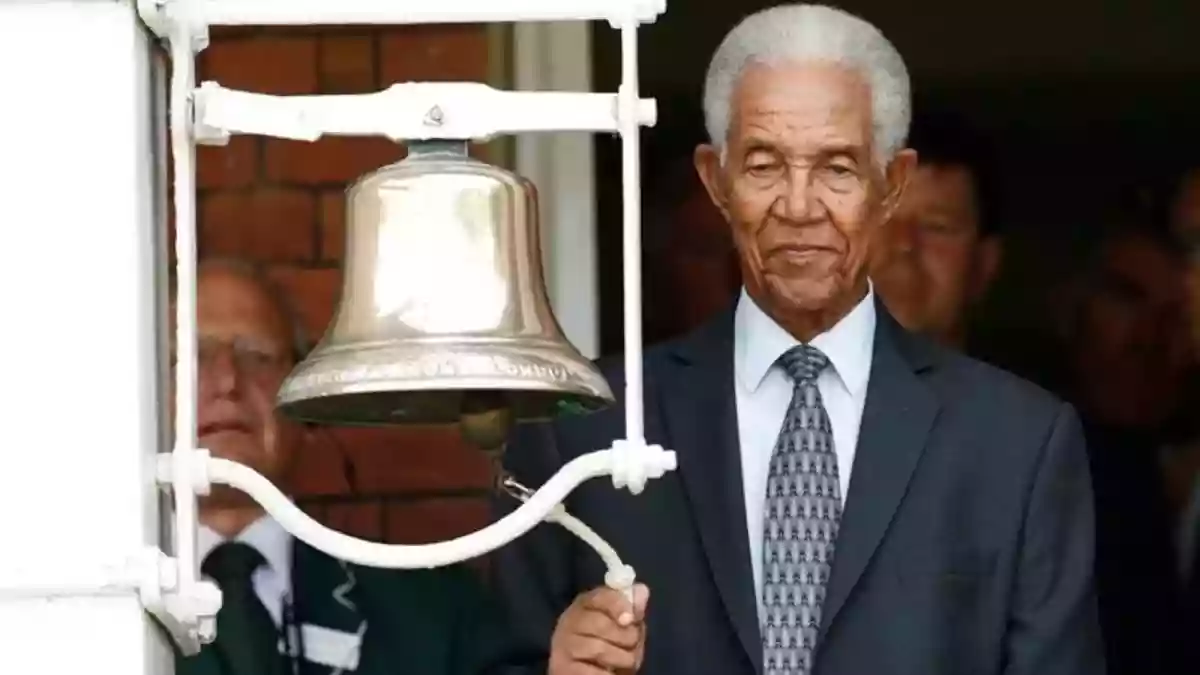
West Indies cricket legend Gary Sobers passes away; was first to smash 6 sixes in 6 balls
.gif)

Download Mobile App 






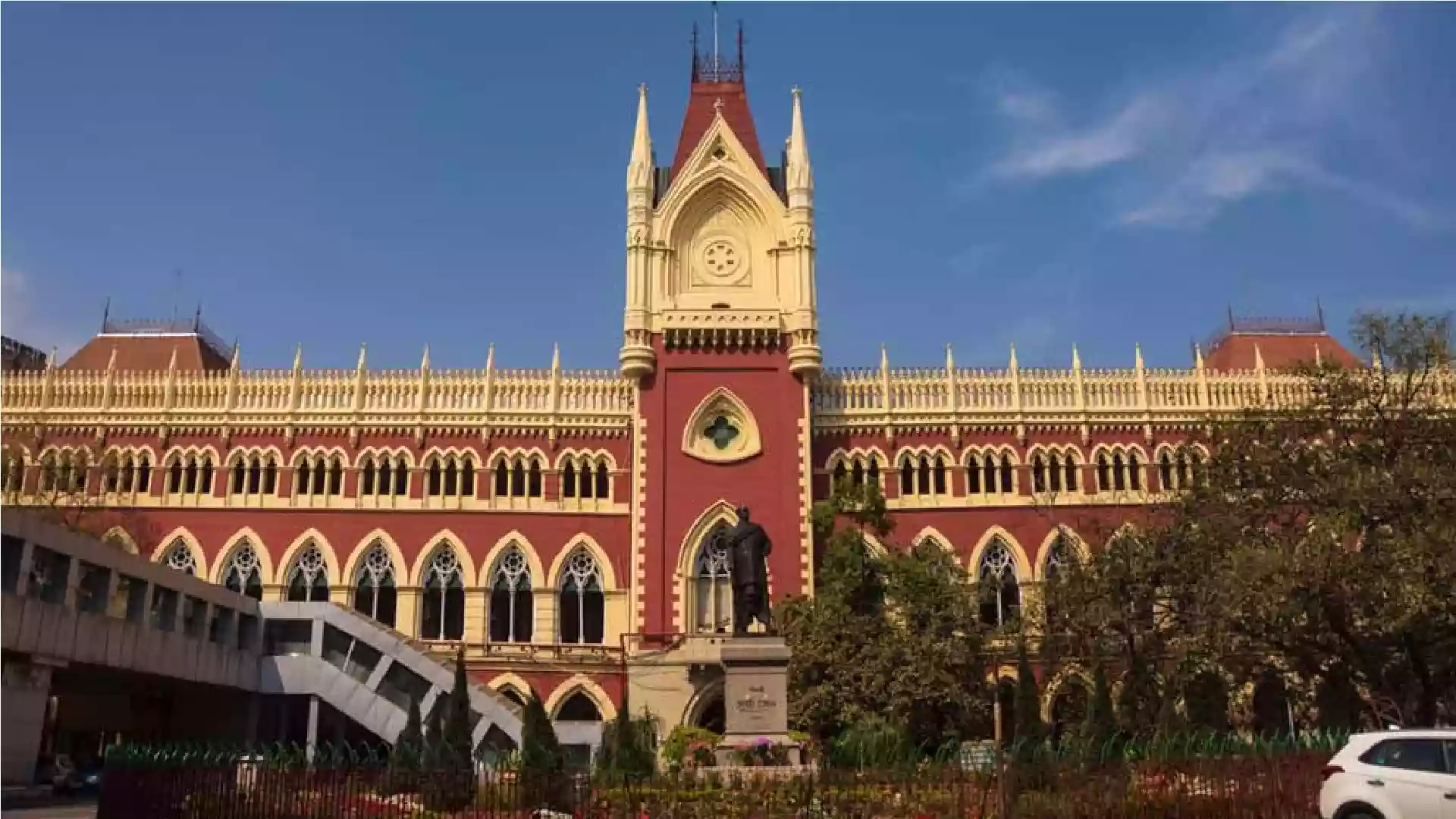
The Calcutta High Court lambasts on the state government today, threatening to freeze the government's Reserve Bank of India account unless long-overdue funds for court infrastructure are released immediately. 36 stalled development projects across the High Court and lower courts, grinding to a halt due to zero fund allocations, plus a staggering Rs 5 crore-plus unpaid bill to BSNL for telecom services since the last three years—risking a total blackout of essential court communications. Justice Debangsu Basak, leading a Division Bench with Justice Mohammad Shabbar Rashidi, accusing officials of peddling "false information" from day one and questioning if a "financial emergency" was secretly underway in the state. With holidays no excuse for digital delays in this digital age, the bench demanded the exact RBI account number on the spot before vowing to lock it down and bar any outflows without court nod.
The bench grilled the state's team over why three years hadn't sufficed to clear these "administrative essentials," especially when BSNL's patience is wearing thin. The government, cornered, coughed up promises of half-payments within 48 hours Rs 60 lakhs wired right then, with the rest by October 30, including Rs 2.9 crores in approved bills—but the court wasn't buying the half-measures, insisting on ironclad proof that the cash actually hits the courts' coffers. Advocate General's pleas for more time fell on deaf ears; the bench shot down adjournment bids, slamming the state's failure to hold a mandated meeting within a month and leaving justices speechless.
The court zeroed in on the Chief Secretary's absence, ordering both the CS and Finance Secretary to be present physically on the next hearing underscoring a growing rift where the judiciary sees itself forced to play debt collector for its own survival. The next hearing set for November 10. For everyday litigants and court workers, the stakes are sky-high: stalled buildings mean outdated facilities, unpaid bills spell tech blackouts, and a strained judiciary risks delaying justice for millions. Yet, in this tense standoff, there's a silver lining—the court's unyielding push might finally jolt the system into prioritizing judicial funding as a non-negotiable pillar of democracy, not an afterthought. As Bengal navigates its fiscal tightrope, this episode serves as a wake-up call: ignore the courts' pleas, and the gavel might just swing harder than expected.




.webp)
.webp)
.webp)
.webp)
.webp)

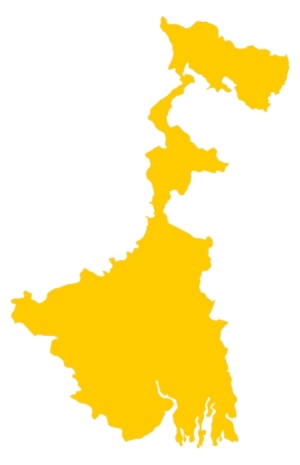 West Bengal
 Bihar
Bihar Uttar Pradesh
 Jharkhand