CBSE makes U-turn on three-language police, exempts class 10 students
.gif)

Download Mobile App 






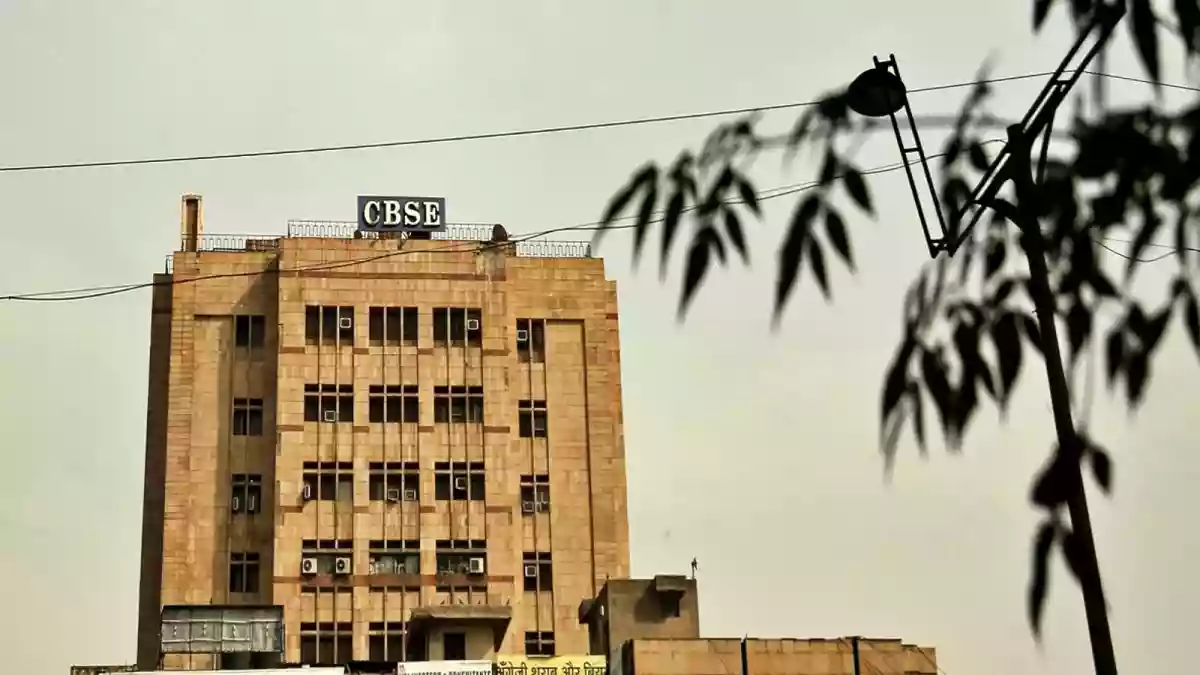
The Central Board of Secondary Education (CBSE) has announced a significant relaxation in the implementation of its proposed three-language policy. According to the fresh guidelines, the current batch of Class 10 students (2026-27) will continue under the traditional two-language system. They are completely exempted from studying or appearing for a board examination in a third language, bringing immediate relief to millions of students.
The relaxation also extends to students currently studying in Classes 7, 8, and 9. While the Class 9 batch will transition to studying three languages, the assessment for their third language (R3) will be conducted entirely at the internal school level. When these students progress to Class 10, they will not have to face any external CBSE board examination for the third language.
This policy change comes after intense pushback from students, parents, and several state schools regarding academic pressure and logistics. The complete, non-relaxed version of the three-language policy—requiring at least two native Indian languages and an external board exam in the third—will now apply prospectively, starting only with the fresh batch entering Class 6 in the 2026-27 academic session.
For students who have already opted for two foreign languages, CBSE has offered a one-time transitional relaxation. These students can continue with their chosen foreign languages but must add one native Indian language to their curriculum. This ensures that the core spirit of the National Education Policy (NEP) 2020 is maintained without disrupting ongoing academic sessions.




 West Bengal
 Bihar
Bihar Uttar Pradesh
 Jharkhand