
CID searches flat at Kalighat linked to Mamata Banerjee's relative
.gif)

Download Mobile App 







Tensions flared in the Taiwan Strait today as warships from Canada and Australia made a bold transit through the strategically sensitive waterway, prompting a sharp warning from China, which claims the area as its own. The move, involving Canada’s frigate Ville de Québec and Australia’s guided-missile destroyer Brisbane, saw the vessels traverse the 180-kilometer stretch separating mainland China from Taiwan, a region long at the heart of geopolitical friction. Beijing’s state-run Global Times reported that the People’s Liberation Army (PLA) is closely monitoring the foreign ships, heightening concerns of a potential escalation amid ongoing disputes over Taiwan’s status. With the world watching at 5:40 PM IST on September 06, 2025, this incident underscores the delicate balance of power in the Indo-Pacific.
The transit, described by the involved nations as a routine exercise to uphold freedom of navigation, comes against a backdrop of heightened Sino-Taiwanese tensions. China has consistently asserted that Taiwan is an inseparable part of its territory, a claim fiercely rejected by Taiwan’s government, which sees itself as a sovereign entity. The presence of foreign warships, a recurring tactic by Western nations to challenge Beijing’s claims, has often provoked strong reactions. This particular move follows a pattern of similar transits, including recent ones by the U.S. Navy, and coincides with a period of increased military activity by China around Taiwan, raising questions about the intent behind the latest naval passage.China’s response was swift, with the PLA’s Eastern Theater Command issuing a statement condemning the transit as a disruption to regional peace and stability.
The Chinese military claims to have maintained vigilant surveillance over the Canadian and Australian ships, warning that such actions could provoke further conflict. This rhetoric echoes past incidents, such as the 2022 U.S. congressional visit to Taiwan by Nancy Pelosi, which triggered a surge in Chinese military exercises. While Beijing frames these transits as provocations, Western nations argue they are exercising their rights under international law, a stance that continues to fuel the ongoing standoff.For the people of Taiwan, the sight of foreign warships offers a mix of reassurance and anxiety. The island’s defense ministry reported monitoring the situation, noting the ships moved northward through the strait, while its foreign ministry welcomed the move as a defense of open international waters. However, residents near the coast are no strangers to the tension, with frequent Chinese military flyovers and naval patrols adding to their unease. The transit, while routine for some, amplifies the sense of living on a geopolitical fault line, where every naval move is scrutinized for signs of escalation.
The broader implications of this event ripple across the Indo-Pacific, where nations like Japan and the U.S. have also conducted similar operations to assert navigational rights. China’s warnings suggest a readiness to respond, potentially with more military drills or diplomatic pushback, which could strain relations further. Critics of the Western approach argue that these transits risk inflaming an already volatile situation, while supporters see them as a necessary check on China’s expanding influence. The lack of clear communication between the parties involved leaves room for miscalculation, a concern that looms large as the situation unfolds.As the sun sets on this tense Saturday, the Taiwan Strait remains a flashpoint, with the international community holding its breath. The Canadian and Australian governments have yet to issue detailed statements, but the PLA’s heightened alert status signals that this incident may not fade quickly. Whether this transit will lead to a de-escalation or a new chapter of confrontation depends on the responses in the coming days. For now, the people of the region—and the world—watch as the delicate dance of diplomacy and military might plays out against the backdrop of a contested sea.









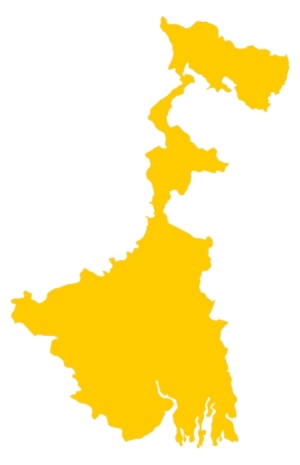 West Bengal
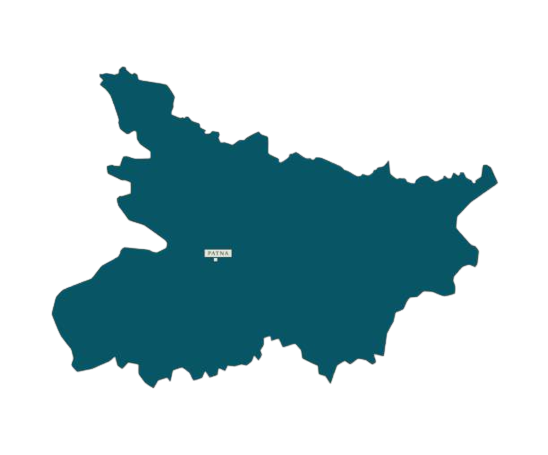 Bihar
Bihar Uttar Pradesh
 Jharkhand