
BJP gherao 'New TMC' MLA Sandipan Saha's house in Entally, protest over 'cut money'
.gif)

Download Mobile App 







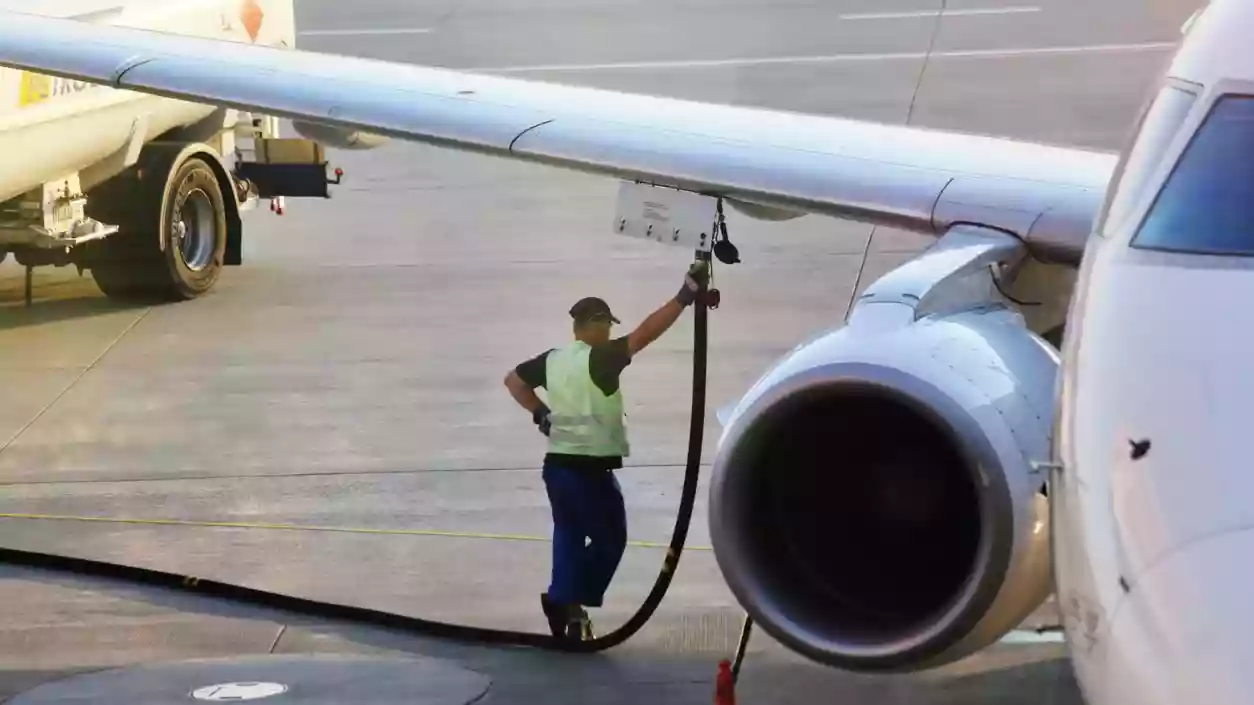
Air India has once again found itself under the intense glare of aviation safety scrutiny after two separate incidents marred its operations over the last few days, signaling a concerning pattern of disruption and technical glitches. The latest operational issue occurred on Tuesday when an Air India flight arriving from Colombo to Chennai, carrying 158 passengers, suffered a bird hit, forcing the immediate cancellation of its scheduled return journey. This latest grounding comes mere days after a much more serious technical scare involving one of the airline’s flagship Boeing 787 Dreamliner jets.
The bird strike on the Colombo-Chennai route was detected only after the aircraft had successfully touched down at Chennai International Airport. Aviation officials quickly confirmed that all 158 passengers were safely disembarked, and no injuries were reported despite the collision. However, the requirement for mandatory, detailed inspections by Air India engineers led to the immediate grounding of the plane as a safety precaution.
The grounding subsequently necessitated the cancellation of the aircraft's return flight to the Sri Lankan capital. To mitigate the disruption and accommodate affected travelers, the airline swiftly arranged an alternative aircraft. Officials confirmed that this replacement plane successfully flew 137 passengers back to Colombo, managing the logistical challenge caused by the unexpected technical snag.
This incident follows closely on the heels of a significant mid-air scare involving an Air India Boeing 787 Dreamliner flying from Amritsar to Birmingham. The aircraft’s Ram Air Turbine (RAT), which is a small wind-powered turbine designed to deploy only as a last-resort backup to generate emergency electrical and hydraulic power, deployed unexpectedly, or 'uncommanded,' during its final approach for landing.
The uncommanded deployment, which reportedly occurred when the aircraft was at a critical altitude of just 400 feet, immediately triggered a high-level probe by the Director General of Civil Aviation (DGCA). While the pilot reported no subsequent abnormality and landed the plane safely, the Federation of Indian Pilots (FIP) raised serious safety concerns, urging the DGCA to conduct a comprehensive inspection of the electrical systems across the entire Boeing 787 fleet.










 West Bengal
 Bihar
Bihar Uttar Pradesh
 Jharkhand