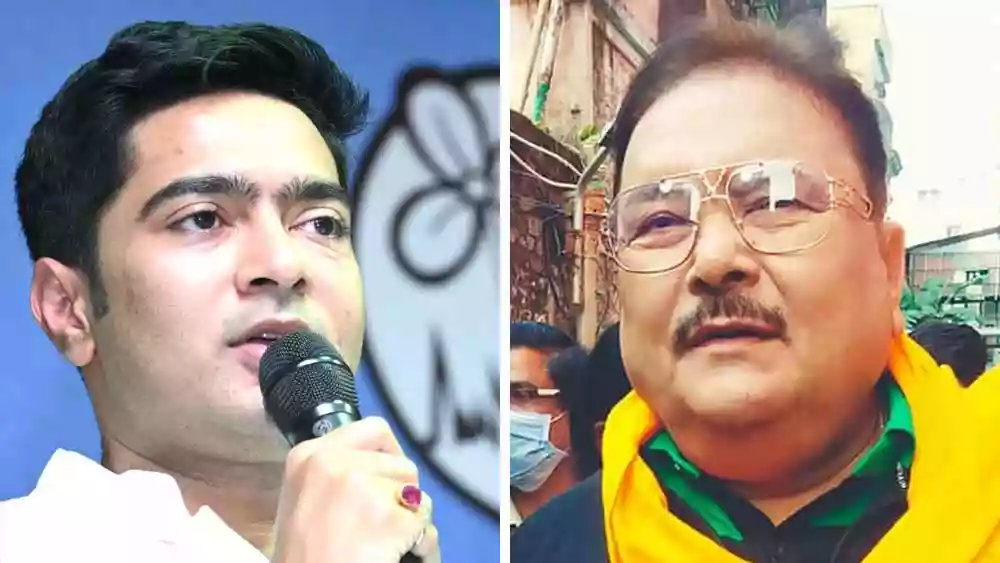
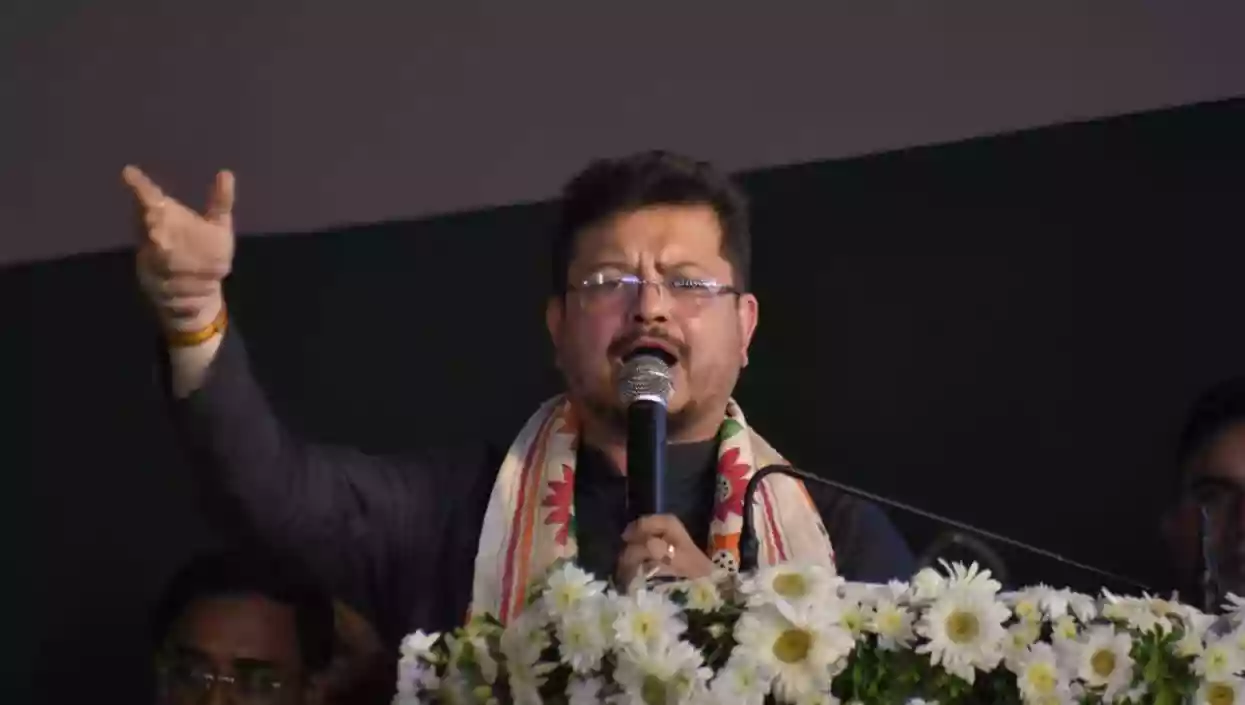
Abhishek slaps 10-crore defamation notice on Madan Mitra over 'murderer' jibe
.gif)

Download Mobile App 






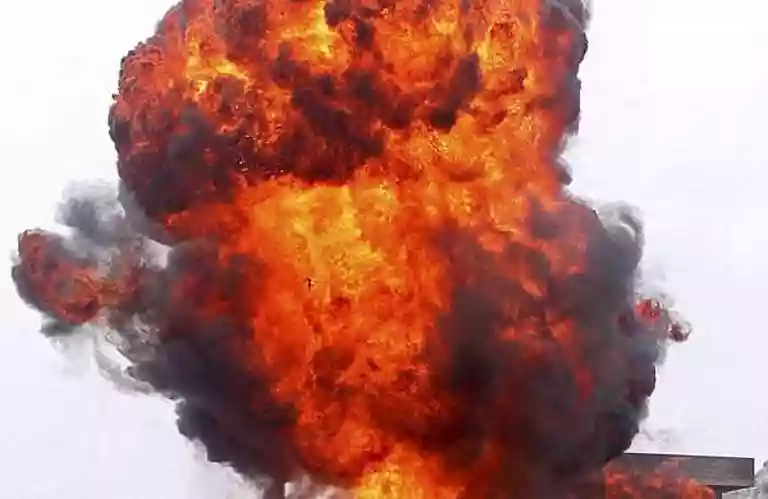
On the evening of September 2, 2025, a devastating suicide bombing tore through a Balochistan National Party (BNP) rally in Quetta, Pakistan, killing at least 14 people and injuring 35 others. The explosion occurred near Shahwani Stadium in the Sariab area, just minutes after a gathering commemorating the fourth death anniversary of BNP founder Sardar Attaullah Mengal had concluded. The attack, which targeted the convoy of BNP chief Akhtar Mengal, left the community reeling, with families mourning the loss of loved ones, many of whom were party workers. Mengal escaped unharmed but expressed profound grief, calling the victims “martyrs” for the Baloch cause. This tragedy has reignited fears of escalating violence in Pakistan’s restive Balochistan province.
The blast, confirmed as a suicide attack by police, took place in the stadium’s parking lot as attendees were dispersing. Initial reports suggest the bomber detonated an explosives-laden jacket, causing chaos and destruction, with over a dozen vehicles, including cars and motorcycles, badly damaged. Among the injured were former BNP provincial assembly member Mir Ahmed Nawaz Baloch and central labor secretary Musa Jan, with several victims in critical condition at Quetta’s Civil Hospital and Bolan Medical Complex. Emergency services responded swiftly, with trauma centers and ICUs on high alert, as Balochistan Health Minister Bakht Muhammad Kakar personally oversaw relief efforts, ensuring blood supplies and medical care for the wounded.Balochistan, Pakistan’s largest yet poorest province, has long been a hotspot for insurgent violence, with both Islamist militants and Baloch separatists active in the region.
The BNP, which campaigns for greater rights and economic investment for the Baloch people, has frequently been targeted. Human rights groups, including Baloch Voice for Justice (BVJ), condemned the attack as “state-sponsored terrorism,” alleging it was part of a broader effort to silence Baloch political voices. BVJ pointed to prior threats by the Islamic State-Khorasan (ISKP) against BNP leaders, including Akhtar Mengal, suggesting the attack was a continuation of this alarming trend.The Balochistan government has launched a high-level investigation, with Chief Minister Mir Sarfraz Bugti calling the attack a “cowardly act” aimed at destabilizing the province. Security forces cordoned off the area to collect evidence, but no group has claimed responsibility as of September 3, 2025. The attack follows a pattern of violence in Balochistan, where over 430 people, mostly security personnel, have been killed in 2025 alone, according to reports. Just hours earlier, another attack near the Iran border killed five paramilitary personnel, highlighting the region’s ongoing security challenges.
The Human Rights Commission of Pakistan (HRCP) demanded an impartial inquiry, emphasizing the need for dialogue to address Balochistan’s political grievances and restore law and order. The attack has drawn condemnation from political leaders across Pakistan, including Interior Minister Mohsin Naqvi, who vowed to bring the perpetrators to justice. For the Baloch community, the loss of 14 lives, many of them young party workers, is a painful blow, fueling anger and calls for justice. Akhtar Mengal, in a heartfelt post on social media, vowed that the sacrifices of his workers would not be forgotten, pledging to carry their cause forward.This tragedy underscores the volatile security situation in Balochistan, where political rallies and public gatherings remain vulnerable to militant attacks. As investigations continue, the incident has sparked renewed demands for stronger security measures and a resolution to the province’s deep-rooted issues. For the families of the victims, the pain is immediate, with communities across Quetta mourning the loss of those who gathered to honor a leader but paid the ultimate price in a region plagued by unrest.


.webp)
.webp)

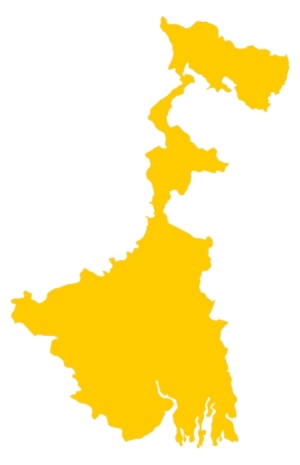 West Bengal
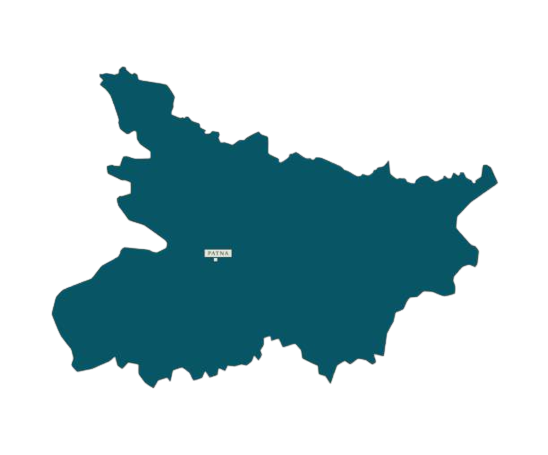 Bihar
Bihar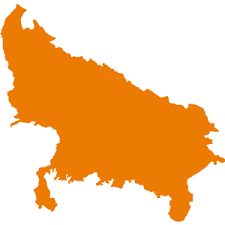 Uttar Pradesh
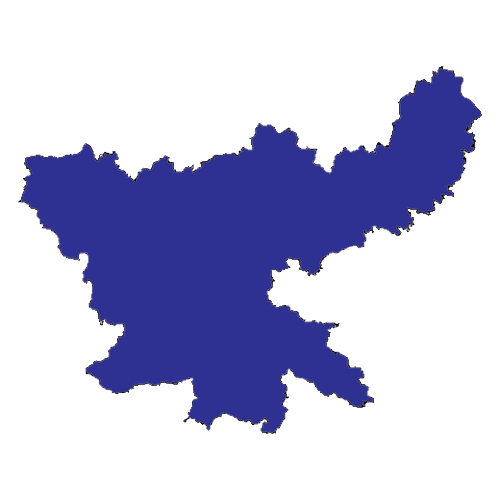 Jharkhand