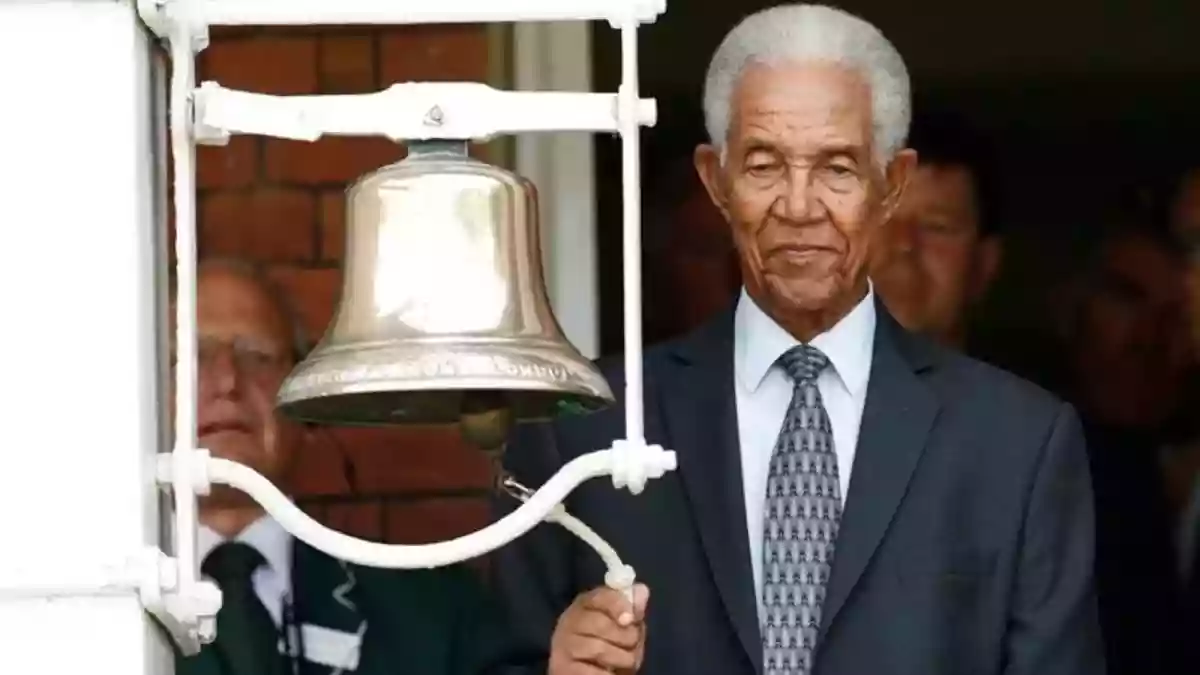
West Indies cricket legend Gary Sobers passes away; was first to smash 6 sixes in 6 balls
.gif)

Download Mobile App 






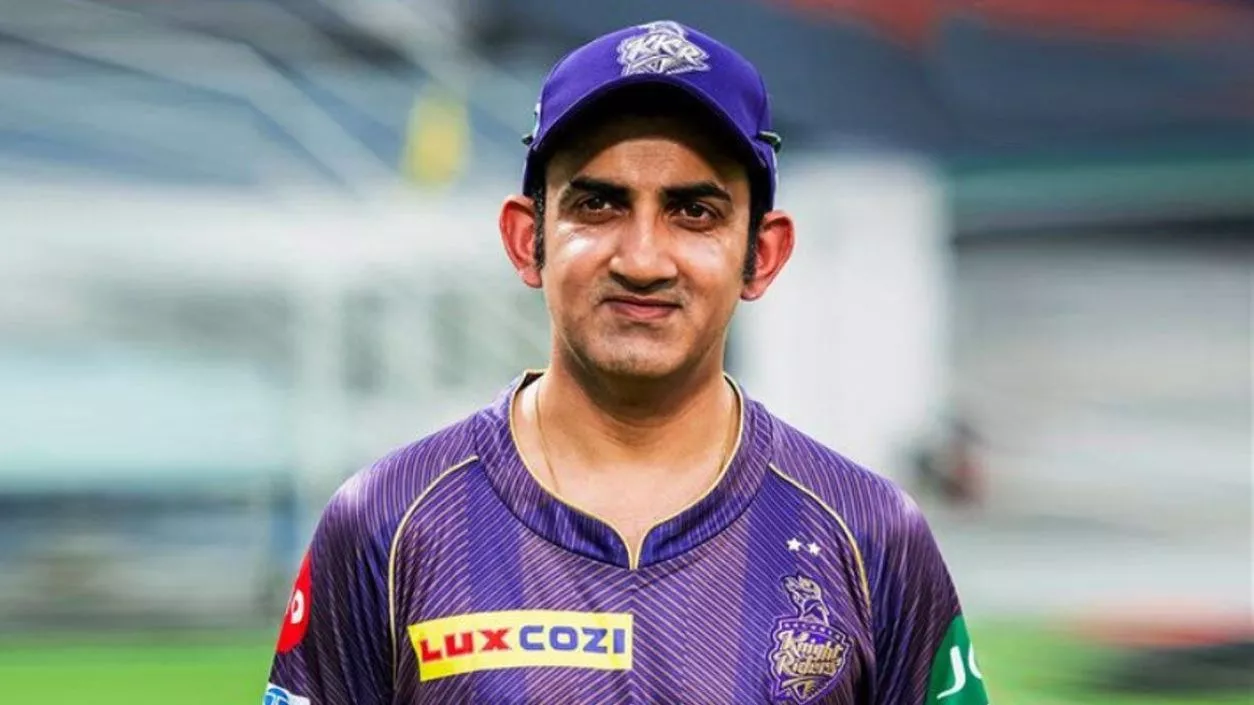
The Delhi High Court has granted protection to the personality rights of Gautam Gambhir, directing entities to remove unauthorised content using his name, image, and voice without consent. In its order dated March 25, the court restrained individuals and platforms from commercially exploiting Gambhir’s persona and instructed that all infringing material be taken down within 36 hours.
The court observed that Gambhir, one of India’s most prominent cricketers, possesses significant goodwill and reputation, and any unauthorised use of his identity for commercial gain constitutes a violation of his publicity rights. It highlighted his contributions to Indian cricket, including match-winning performances in major international tournaments, and noted his transition into coaching, where he has led the team to multiple titles.
Gambhir approached the court citing a surge in digital impersonation and misuse of his identity, particularly through artificial intelligence tools. His petition detailed instances of deepfake videos, voice cloning, and fabricated announcements circulating across social media platforms. One such fake video, falsely claiming his resignation as head coach, reportedly garnered millions of views, amplifying concerns over misinformation and reputational harm.
The plea also pointed to unauthorised sale of merchandise and content featuring his likeness on various online platforms. Gambhir argued that such activities were not only misleading but also commercially exploiting his identity without permission. The court acknowledged these concerns, stressing the need to protect individuals from misuse of emerging technologies that enable realistic but false representations.
In addition to directing the removal of content, the court’s order sends a broader message on safeguarding personal identity in the digital age. It underscores the legal recognition of personality rights and the responsibility of platforms and entities to prevent misuse, particularly as deepfake technology and AI-generated content continue to evolve rapidly.


.webp)




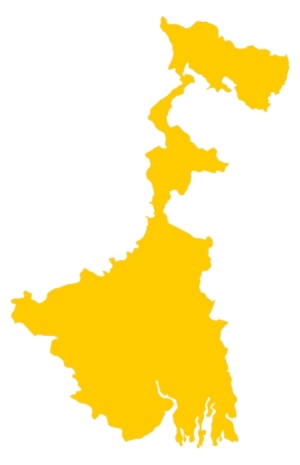 West Bengal
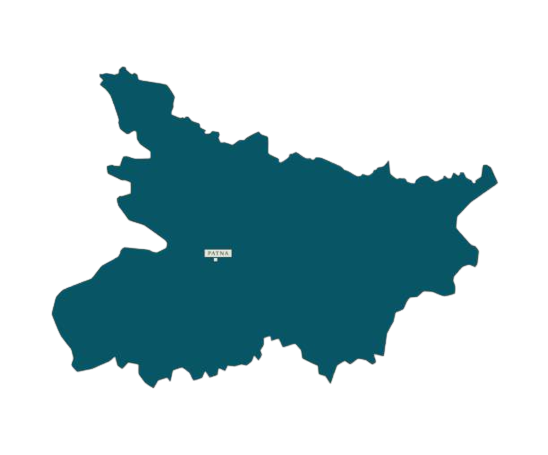 Bihar
Bihar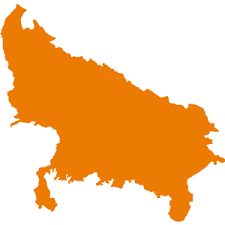 Uttar Pradesh
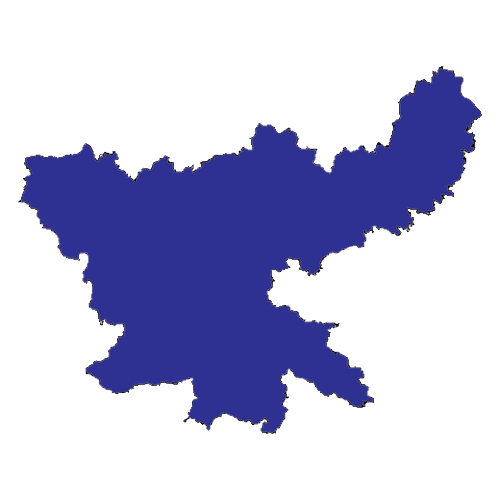 Jharkhand