
Bengal Govt elevates IPS Ajay Mukund Ranade to DGP (Law and Order)
.gif)

Download Mobile App 






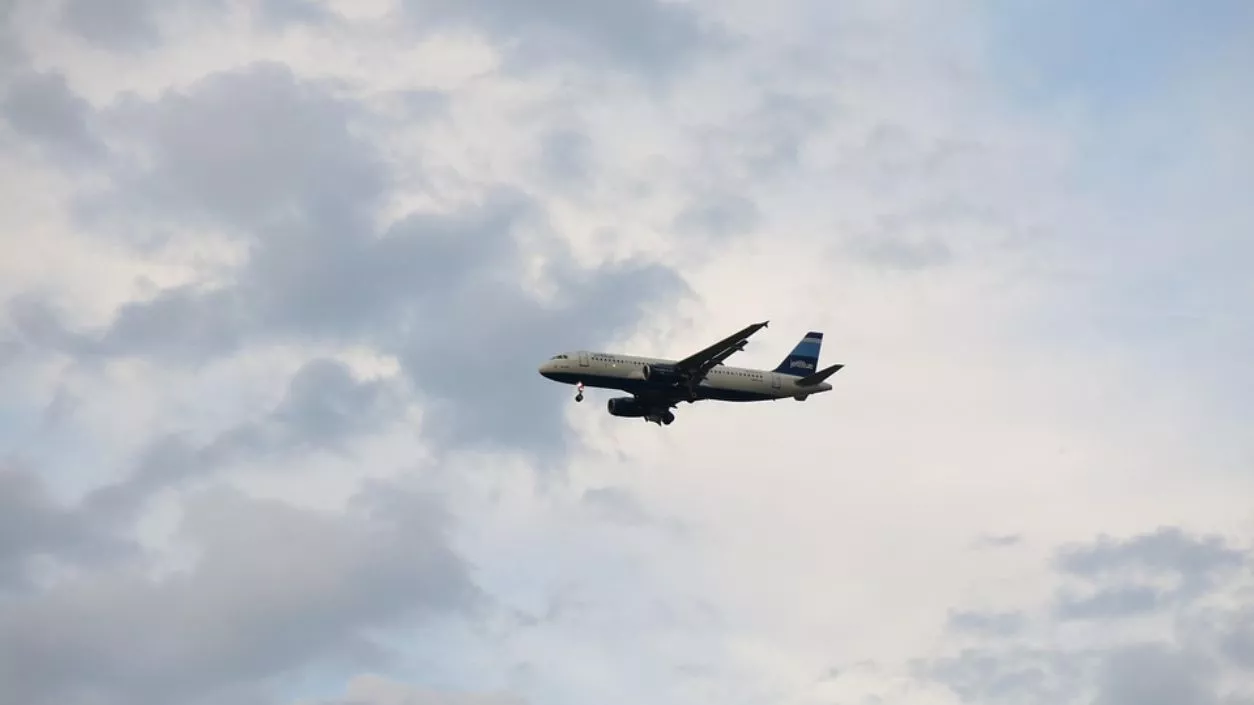
The Directorate General of Civil Aviation (DGCA) has directed airlines to avoid operating in 11 high-risk airspaces amid escalating tensions in West Asia. The advisory, issued on Thursday, will remain in effect until March 28 and comes in response to increasing security threats following recent military developments in the region.
According to the regulator, recent US and Israeli strikes within Iran have significantly heightened risks for civil aviation. The advisory warned that potential retaliatory actions and ongoing military operations could impact not only Iranian airspace but also neighbouring regions, creating a volatile environment for commercial flights.
The DGCA identified multiple hazards, including the risk of attacks on US and Israeli assets, operational uncertainties, and possible miscalculations in active conflict zones. The high-risk classification applies across all altitudes in airspaces over Iran, Israel, Lebanon, Saudi Arabia, Bahrain, Oman, Iraq, Jordan, the UAE, Qatar, and Kuwait, indicating a broad regional impact.
In line with international aviation safety norms, airlines have been advised to avoid these airspaces entirely, except under specific conditions. Operators have also been instructed not to operate below certain flight levels in designated areas and to ensure continuous monitoring of official aviation updates, including NOTAMs and Aeronautical Information Publications issued by relevant authorities.
The regulator has further stressed the importance of robust contingency planning, especially for flights to destinations within the affected region. It also reiterated that earlier advisories concerning airspaces over Syria and Yemen remain in force, underscoring the extended scope of aviation risks amid the ongoing geopolitical tensions.




.webp)





 West Bengal
 Bihar
Bihar Uttar Pradesh
 Jharkhand