.gif)

Download Mobile App 







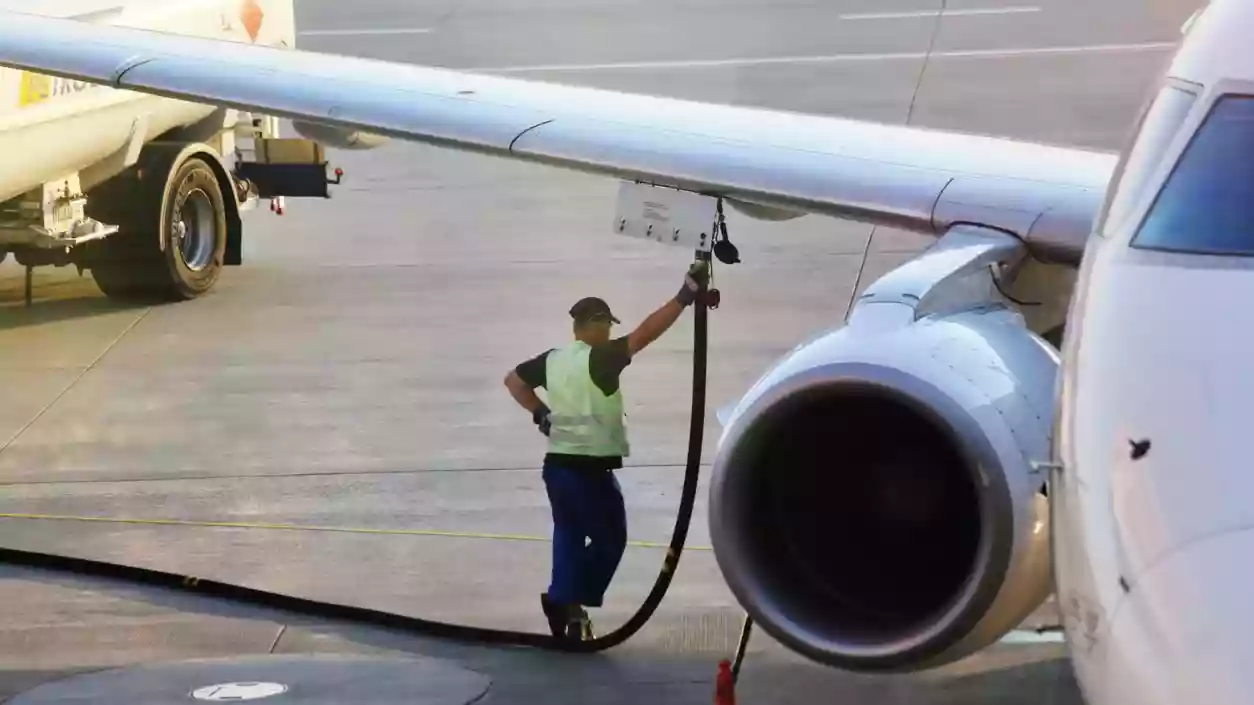
A bizarre yet serious issue disrupts aviation world right now, as the Directorate General of Civil Aviation (DGCA) grounds Airbus A318, A319, A320, A321 flights starting tommorow morning. Intense solar radiation that can corrupt vital data in the aircraft's Elevator and Aileron Computer (ELAC) system, which helps pilots steer the plane's pitch and roll. This came to light after a scary October 31 incident on a JetBlue A320 flight from Mexico to the US, where the plane suddenly plunged for 4-5 seconds, forcing an emergency landing and injuring some passengers. Worldwide, nearly 6,000 of these popular aircrafts—more than half the global A320 fleet—are affected, marking one of Airbus's biggest safety recalls in its 55-year history.
In India alone, over 350 planes from IndiGo and Air India will need quick software tweaks or hardware swaps, potentially sidelining them for the upcoming 2-3 days and sparking a wave of delays, cancellations, and rerouted flights.Airlines are in full crisis mode, racing against the clock to comply before the ban kicks in. IndiGo, India's biggest operator with over 300 A320-family jets, has already updated about 60% of its fleet, focusing on newer models that just need a two-hour software rollback—think reverting to an older, safer version to block solar interference. Air India, with around 125 such aircrafts, has hit 40% completion and warns of longer turnaround times at airports.
Older planes, about 1,000 globally including some in India, face tougher fixes requiring hardware replacements that could take weeks, so they're being ferried to major maintenance hubs for the job. Not every airport has the special tools for these updates, adding to the headache. Globally, giants like American Airlines (updating 340 jets), Lufthansa, easyJet, and Colombia's Avianca (grounding over 70% of its fleet and pausing ticket sales) are dealing with the same mess, especially tricky during peak travel seasons.
Airbus is owning up to the chaos, apologizing profusely while insisting safety trumps all—after all, the A320 has been a bestseller since 1988, with over 12,000 delivered worldwide. Regulators like Europe's EASA are backing the push, and India's DGCA is clear: no shortcuts, or no takeoffs. Passengers, brace for bumpy schedules—check apps religiously and pack patience. This is a stark reminder that even space weather can ground our high-flying world, but the silver lining is swift action to keep everyone safe up there.








 West Bengal
 Bihar
Bihar Uttar Pradesh
 Jharkhand