.gif)

Download Mobile App 







The Election Commission on Friday announced the schedule for the Vice Presidential election, which will take place on September 9, following the resignation of Jagdeep Dhankhar. The notification for the election will be issued on August 7, marking the start of the nomination process. The last date for filing nominations is August 21, scrutiny of nominations will be conducted on August 22, and candidates may withdraw by August 25. Polling and counting will be held on the same day — September 9 — in Parliament House, New Delhi.
The post fell vacant after Dhankhar resigned from office on July 21, hours after presiding over a session of the Rajya Sabha. His resignation letter addressed to President Droupadi Murmu cited medical reasons. “To prioritise health care and abide by medical advice, I hereby resign as the Vice President of India, effective immediately, in accordance with Article 67(a) of the Constitution,” it stated. The Ministry of Home Affairs notified the resignation on July 22.
Rajya Sabha Secretary General PC Mody was appointed as the Returning Officer for the election on July 25. According to Rule 8 of the Presidential and Vice-Presidential Elections Rules, 1974, the polling, if necessary, will be held in Room No. F-101, Vasudha, First Floor, Parliament House. The Election Commission has completed preparation of the electoral roll and finalized the list of members eligible to vote.
The Vice President is elected by an electoral college consisting of members from both Houses of Parliament — 233 elected and 12 nominated members of Rajya Sabha, and 542 elected members of Lok Sabha. Five Rajya Sabha seats and one Lok Sabha seat are currently vacant. The election is conducted by secret ballot through the system of proportional representation using a single transferable vote. Each Member of Parliament ranks candidates by preference, and each vote holds equal value.
To be elected, a candidate must secure a quota — calculated as half of the total valid votes plus one. If no candidate achieves the quota in the first round, the one with the fewest first-preference votes is eliminated and their votes are transferred to the remaining candidates based on subsequent preferences. This continues until one candidate reaches the quota. A person is eligible to contest if they are an Indian citizen, at least 35 years old, and qualified to be a Rajya Sabha member. Individuals holding any office of profit under the government are ineligible.







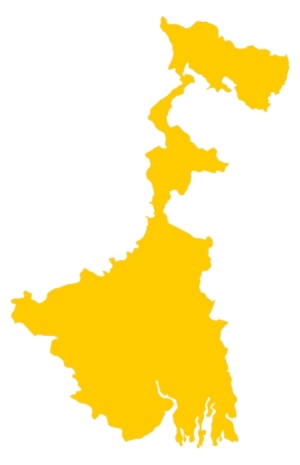 West Bengal
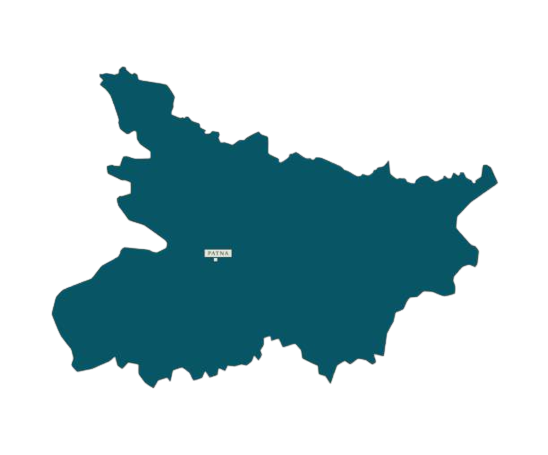 Bihar
Bihar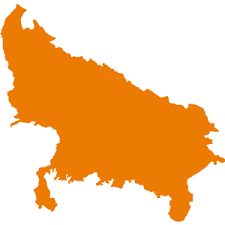 Uttar Pradesh
 Jharkhand