
Abhishek slaps 10-crore defamation notice on Madan Mitra over 'murderer' jibe
.gif)

Download Mobile App 







A fresh El Niño event is likely to develop between May and July 2026, potentially triggering widespread heat and altering rainfall patterns across the globe, the World Meteorological Organization has warned. The global weather body indicated that land surface temperatures are expected to remain above normal in most parts of the world during the upcoming three-month period, raising concerns about intensified heat conditions.
According to the latest assessment, the warming phase of the El Niño Southern Oscillation (ENSO) could return barely a year after the previous episode, which lasted from June 2023 to April 2024. The phenomenon, driven by unusually warm ocean surface temperatures in the equatorial Pacific Ocean, is known to influence atmospheric patterns and disrupt weather systems worldwide.
The organisation noted that while some climate models suggest the possibility of a strong event, forecasting certainty remains limited due to the “spring predictability barrier,” a period when climate projections are less reliable. However, confidence in forecasts is expected to improve after April. Despite this uncertainty, the potential for a strong El Niño has raised concerns among scientists about its possible global impact.
El Niño is typically associated with increased rainfall in regions such as southern South America, the southern United States, the Horn of Africa and parts of central Asia, while causing drought conditions in Australia, Indonesia and parts of southern Asia. It also contributes to higher global temperatures and can influence cyclone activity, particularly by fueling storms in the Pacific while suppressing them in the Atlantic.
The previous El Niño event significantly contributed to making 2024 the warmest year on record. With another event potentially emerging, experts warn that the coming months could see intensified heatwaves and shifting weather extremes across continents.









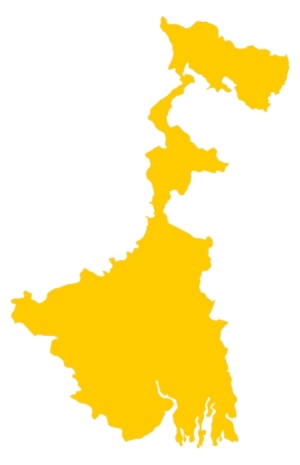 West Bengal
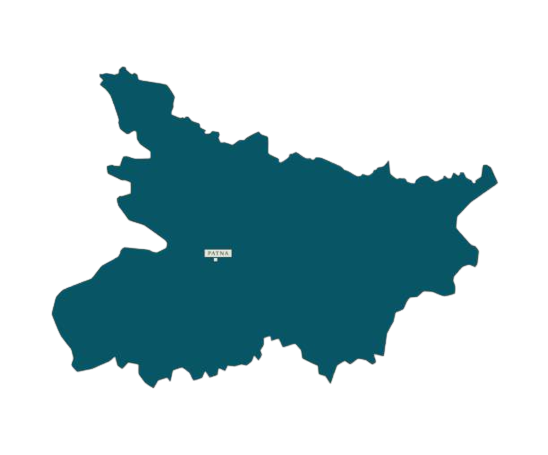 Bihar
Bihar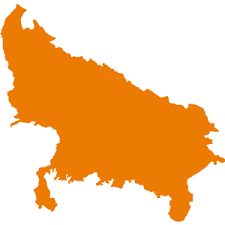 Uttar Pradesh
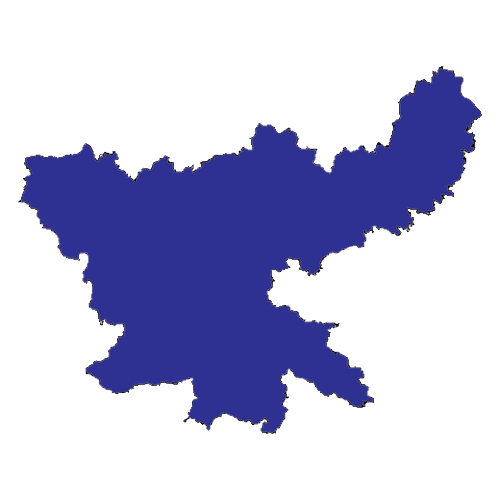 Jharkhand