
No eviction drive in Burrabazar & College Street, clarifies KMC Commissioner
.gif)

Download Mobile App 






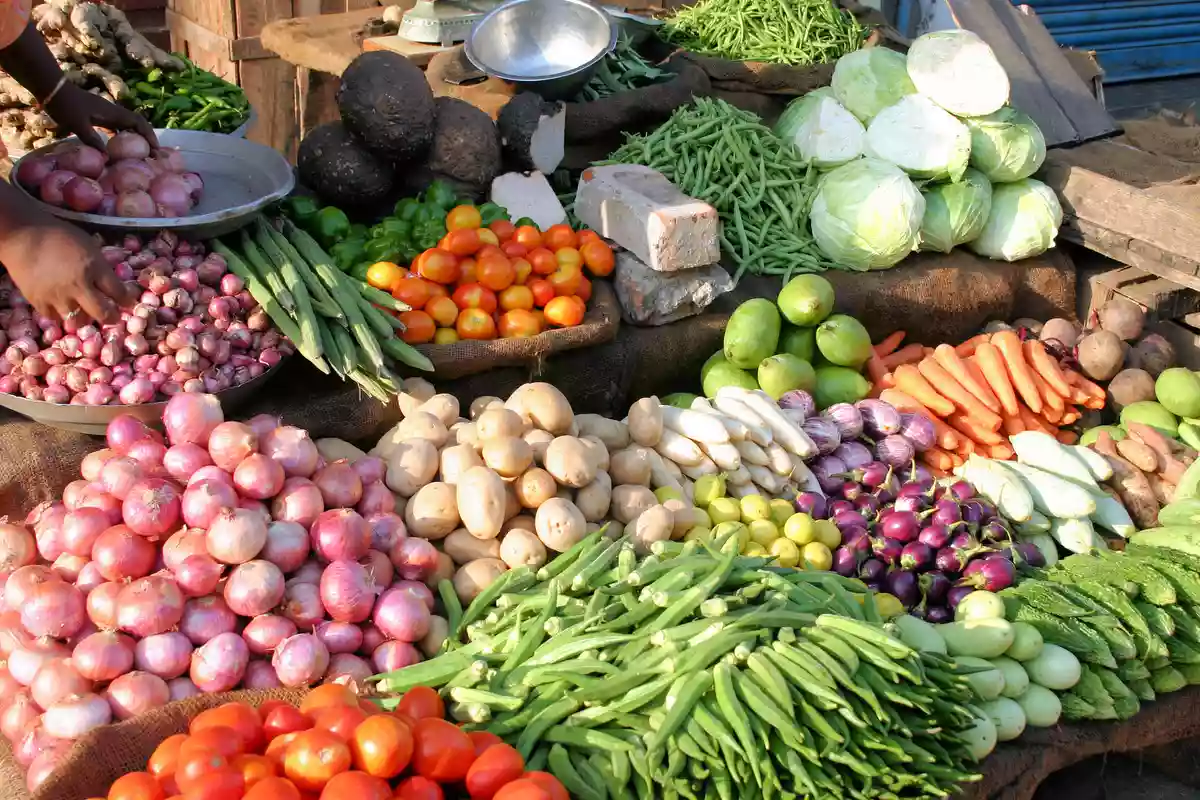
As the festive season approaches in West Bengal, skyrocketing vegetable prices at Kolkata’s bustling Koley Market have prompted a special operation by the state’s Task Force to curb profiteering and stabilize costs. The market, a key wholesale hub near Sealdah Railway Station, has seen prices of essentials like tomatoes, green chillies, and brinjals soar due to supply disruptions caused by heavy rainfall. Task Force member Rabindranath Koley emphasized that while recent rains have destroyed significant vegetable crops, the state is not exporting its produce, and imports could ease the burden.
The operation, launched today, aims to crack down on unscrupulous traders exploiting the festive demand, with authorities vowing to maintain strict oversight in the coming days.The festive season, a time of heightened demand for fresh produce in Kolkata, has exacerbated the price surge, pinching household budgets across the city. Heavy rainfall in key agricultural regions like South 24 Parganas, Hooghly, and East Midnapore has led to crop losses, reducing the supply of vegetables like tomatoes, cauliflowers, and green peas. According to local vendors, prices for some items have nearly doubled, with tomatoes retailing at Rs 90-100 per kg and green chillies hitting Rs 150-200 per kg in some markets.
The Task Force’s intervention comes as a response to public outcry over these steep hikes, particularly as families prepare for upcoming celebrations.Rabindranath Koley, a prominent member of the Task Force, clarified that the price spikes are largely due to natural causes rather than artificial shortages. “A lot of vegetables have been destroyed due to heavy rains, but Bengal’s produce is not being exported,” he stated, reassuring consumers that efforts are underway to stabilize prices.
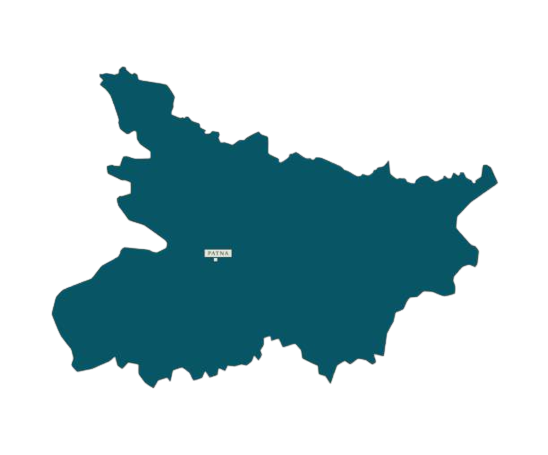
The Task Force is banking on imports from neighboring states like Uttar Pradesh and Bihar to replenish supplies and bring down costs. Koley expressed optimism that with increased supply, retail prices could see a decline within weeks, provided weather conditions improve and transportation logistics stabilize.The operation at Koley Market involved surprise inspections to identify hoarding or price manipulation by traders. The Task Force met with market committee leaders to reinforce the state government’s strict stance against profiteering. “Action will be taken against unscrupulous traders,” Koley warned, signaling that the campaign will extend to other major markets like Posta Bazaar and Ultadanga in the coming days. The state’s Sufal Bangla scheme, which provides vegetables at subsidized rates through fair-price stalls, is also being leveraged to ease the burden on consumers, though its impact remains limited amid the current supply crunch.
Vendors at Koley Market have voiced their challenges, citing increased transportation costs and reduced local yields as key factors driving prices. Gopal Sonkar, a wholesale trader, noted that while produce from other states is arriving, the quantities are insufficient to meet festive demand, and spoilage risks are high due to waterlogged crops. Retailers, caught between high wholesale rates and consumer expectations, expressed hope that the Task Force’s efforts would stabilize the market.
However, they cautioned that without consistent supplies, prices could remain elevated through the festive season.The Task Force’s ongoing campaign reflects the state’s commitment to shielding consumers from economic strain during a time of celebration. With Kolkata’s markets bracing for increased footfall ahead of festivals, the authorities are under pressure to ensure affordability and availability of essential commodities. As the operation continues, residents are hopeful that the combination of imports, stricter market oversight, and initiatives like Sufal Bangla will bring relief to their festive budgets, making celebrations a little less costly.



.webp)






 West Bengal
 Bihar
Bihar Uttar Pradesh
 Jharkhand