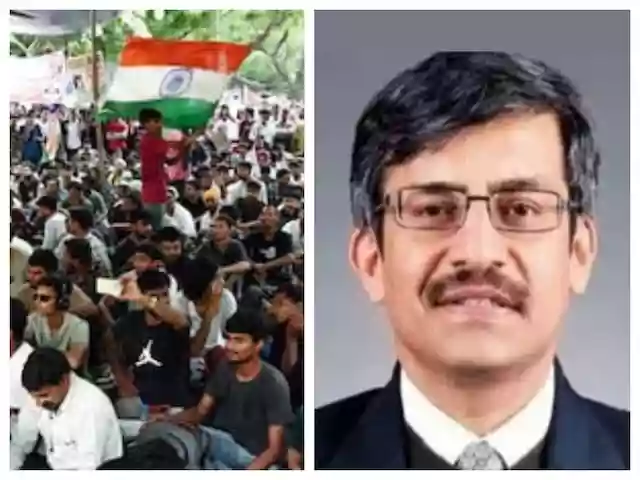
Centre removes Edu Secy Vineet Joshi amid paper leak protests; Naresh Gangwar takes charge
.gif)

Download Mobile App 






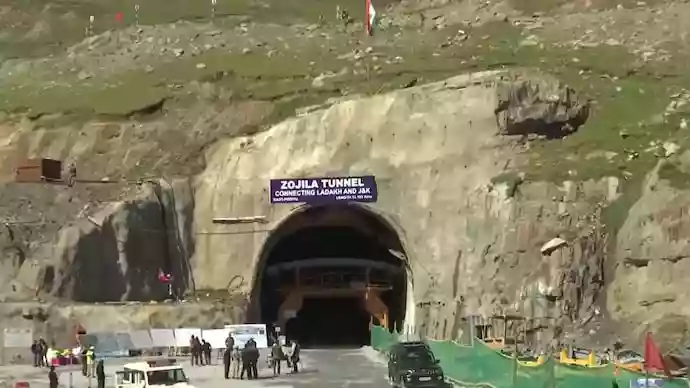
Engineers have successfully breached the final rock wall of the ambitious Zojila Tunnel. This critical milestone marks the complete excavation of the 13.5-kilometer-long passage, which is carved out at an astonishing altitude of approximately 11,500 feet. The engineering breakthrough brings Ladakh a step closer to ending its decades-long problem of winter isolation, paving the way for dependable, year-round road connectivity with the Kashmir Valley and the rest of India.
For generations, the onset of severe winter weather meant that the treacherous Zojila Pass would be buried under heavy snow and plagued by avalanches, cutting off the entire Ladakh region for nearly six months every year. The newly excavated all-weather tunnel is specifically designed to eliminate this seasonal vulnerability. Once the project is fully operational, the travel time required to cross the notorious mountain pass will dramatically plummet from three-and-a-half hours to a mere 20 minutes, ensuring a significantly safer and faster commute.
Beyond the massive relief it promises for civilian life, commerce, and tourism, the Zojila Tunnel holds immense strategic weight for India's military planning. Given Ladakh's close proximity to the sensitive and highly contested frontier with China, the uninterrupted route is vital for national security. It will guarantee the seamless, year-round mobility of defense troops, heavy machinery, and essential military logistics, allowing operational preparedness to remain uncompromised by the harsh Himalayan winters.
Constructing the world's longest high-altitude tunnel posed severe engineering and environmental trials, ranging from sub-zero temperatures to unpredictable geological formations. Project Director Peda Subbaiah revealed that the team successfully utilized the specialized Austrian drill-and-blast method to safely shape the tunnel through the complex terrain. With the core excavation phase now behind them, project head Harpal Singh stated that the construction will rapidly shift toward interior works—including road surfacing, advanced ventilation, lighting, and safety systems—with a target to fully open the tunnel by the end of 2027.






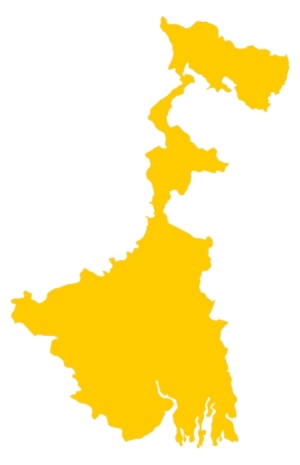 West Bengal
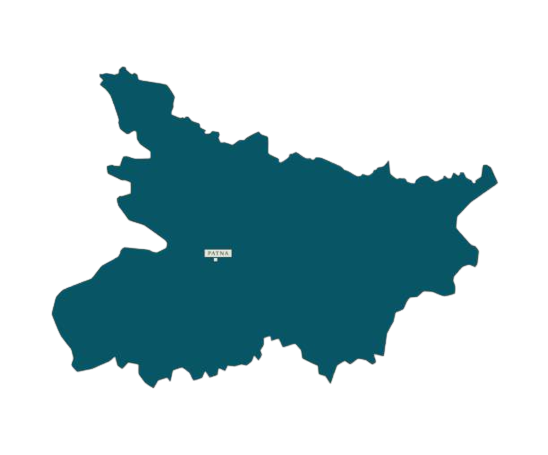 Bihar
Bihar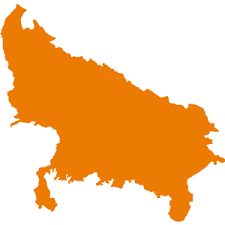 Uttar Pradesh
 Jharkhand