.gif)

Download Mobile App 






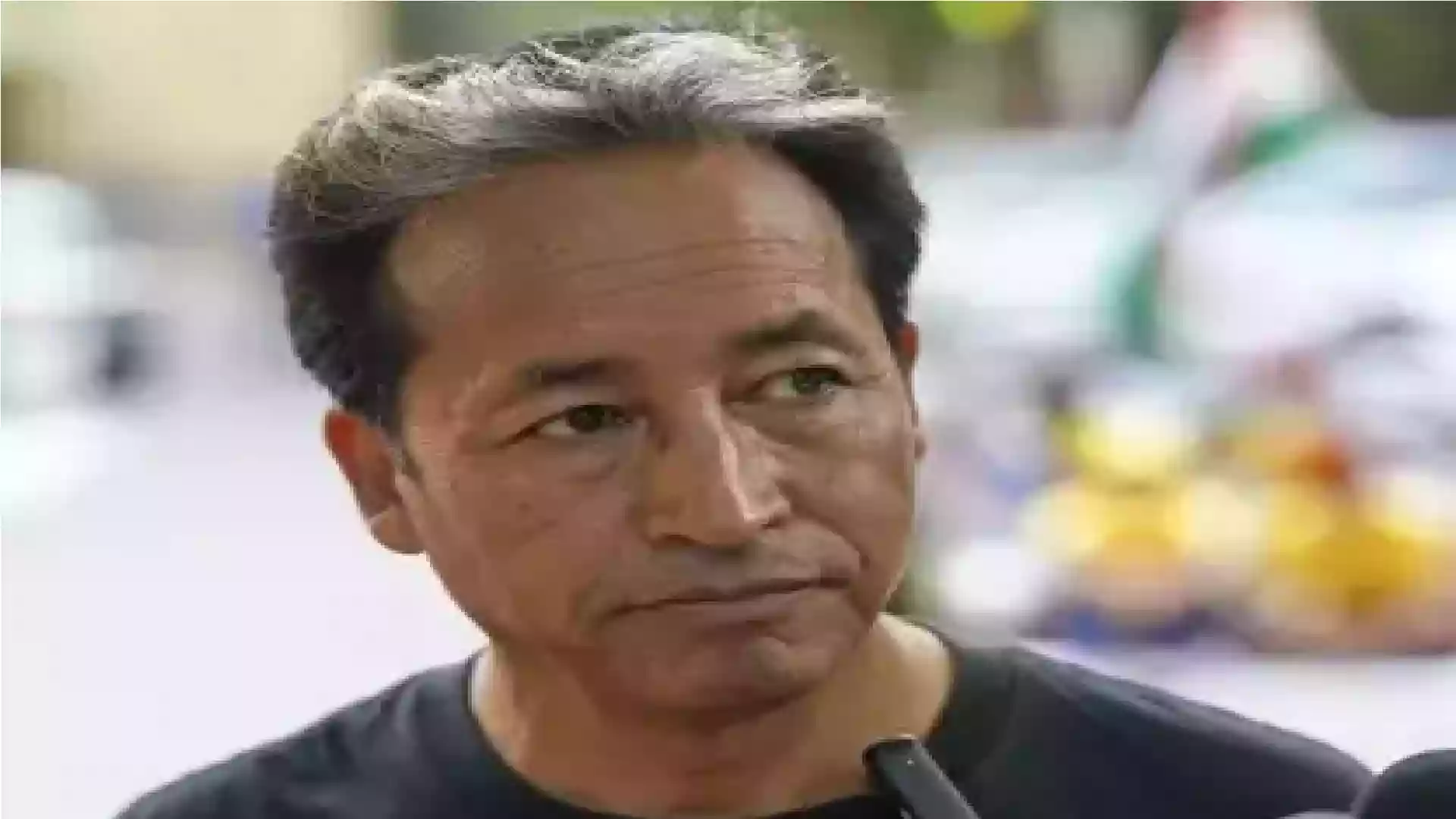
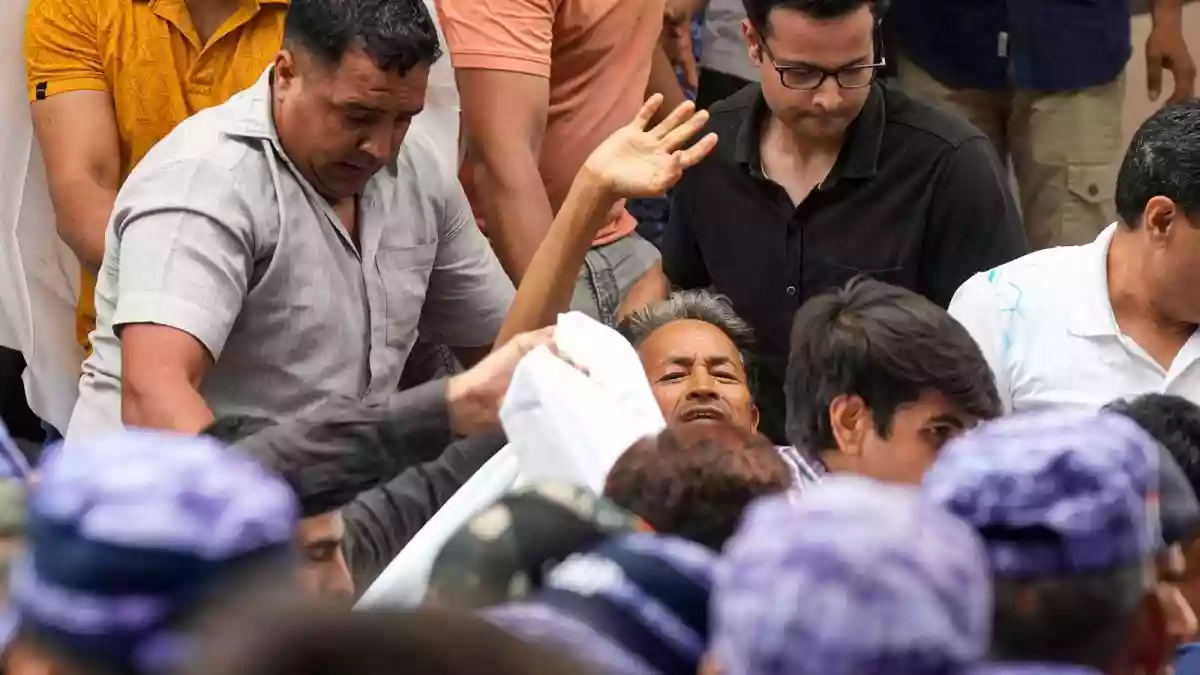
In the shadow of jagged Himalayan peaks, Ladakh—a land of ancient monasteries and unyielding silence—erupted into chaos when long-simmering demands for statehood and constitutional protections boiled over into deadly violence, claiming four lives and injuring over 80 in Leh's streets. Climate activist and educator Sonam Wangchuk, revered as the "Ice Man" for his innovative water conservation efforts, found himself at the epicenter of the storm. Just two days later, on today, he was arrested by authorities, accused of inciting the mob through "provocative speeches" that allegedly referenced global uprisings like the Arab Spring and Nepal's Gen Z protests. Wangchuk, who had ended a grueling 15-day hunger strike mere hours before the clashes, decried the move as a "scapegoat tactic," warning that jailing him could ignite even fiercer unrest among Ladakh's frustrated youth.
This arrest, amid torched BJP offices and a city under curfew, underscores a deepening rift between the region's tribal communities and the Centre, where promises of autonomy made post-2019 reorganization hang like unfulfilled vows in the thin mountain air.The protests, organized by the Leh Apex Body (LAB) and Kargil Democratic Alliance (KDA), had been building for months, fueled by fears of losing cultural and land rights to outsiders after Ladakh's bifurcation from Jammu and Kashmir stripped it of legislative powers. Wangchuk's fast, begun on September 10, amplified calls for Sixth Schedule safeguards—similar to those in Northeast tribal areas—to protect against unchecked mining and demographic shifts.
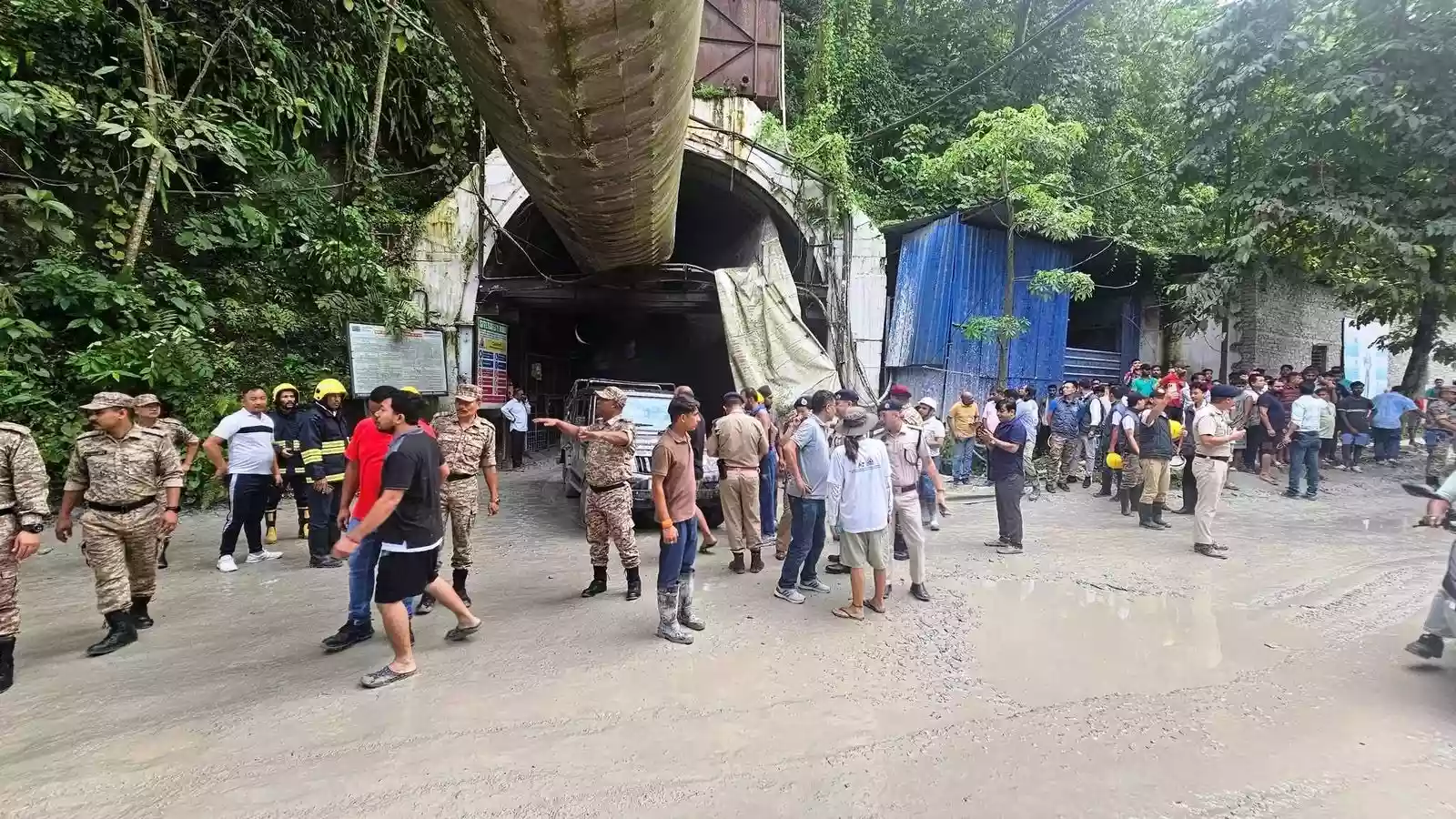
What started as a peaceful shutdown spiraled when a crowd, including students and monks, surged toward government buildings, pelting stones and setting the local BJP office ablaze. Police responded with tear gas, baton charges, and eventually live rounds in self-defense, leaving a trail of blood on Leh's dusty roads. Eyewitnesses described heart-wrenching scenes: a 72-year-old hunger striker collapsing earlier that week, young protesters shielding elders, and families mourning sons cut down in the fray. By evening, curfews clamped down Leh and surrounding towns, with over 50 arrests, but the wounds—both literal and figurative—festered.Wangchuk's role in the saga is as polarizing as the stark Ladakhi landscape. Hailed by supporters as a voice for the voiceless, the 59-year-old engineer-turned-activist has long championed sustainable development, founding SECMOL to educate dropout youth and inventing "Ice Stupas" to combat glacial melt.
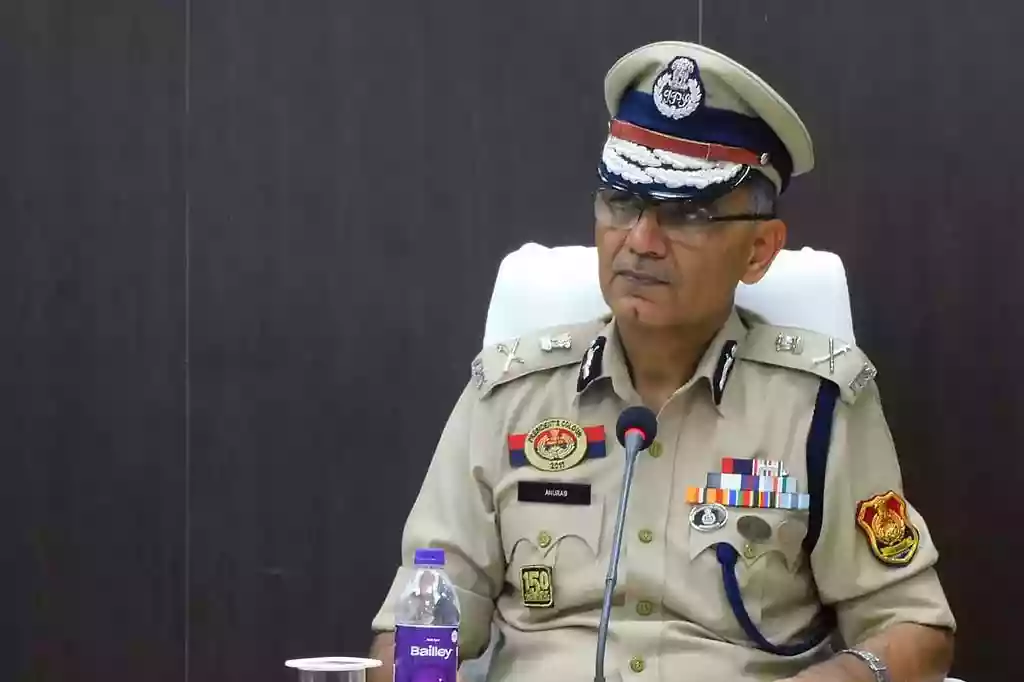
His arrest on September 26, under charges of public safety violations. Lieutenant Governor Kavinder Gupta chaired emergency security reviews, deploying extra paramilitary forces and shuttering schools for two days to quell lingering tensions. In Kargil, solidarity shutdowns echoed the pain, with the KDA demanding an impartial probe into the "heroes" slain—civilians they view as martyrs, not miscreants. Wangchuk's SECMOL institute, already under fire for alleged FCRA violations, faces CBI scrutiny, a move critics call a ploy to silence dissent. Protesters, many Gen Z faces hardened by joblessness in a tourism-dependent economy, vowed to persist, chanting for elections and empowerment in a region bordering China and Pakistan, where strategic stakes amplify every echo.The human toll lingers like winter frost. Families of the four dead—two young protesters, a local leader, and an elder caught in the crossfire—grieve amid whispers of excessive force, with autopsies pending to clarify bullet wounds. Over 80 injured, including officers with fractures and gashes, strain Ladakh's under-resourced medical facilities.
Wangchuk's kin and comrades rallied outside his village home post-arrest, fearing a Public Safety Act (PSA) invocation that could detain him without trial. He himself, in a poignant video before custody, urged youth to channel rage into resilience: "My chains won't silence Ladakh's cry." This isn't mere activism; it's a generational howl against marginalization, where 70% youth unemployment clashes with booming border infrastructure that bypasses locals. Economists note Ladakh's GDP per capita lags national averages, exacerbated by post-2019 land reforms that locals say invite corporate land grabs without consent.Gazing ahead, Wangchuk's arrest could be the spark or the snuffing of Ladakh's fire. The Centre, insisting on "active engagement" via a high-powered committee meeting slated for October 6, promises welfare without specifics on Sixth Schedule inclusion. Yet, as curfews lift and ashes cool, the real test looms: can dialogue bridge the chasm before another march turns march? Wangchuk's legacy—blending Gandhian satyagraha with tech-savvy advocacy—challenges India to honor its high-altitude kin not as a buffer zone, but as equals. In Leh's prayer flags fluttering against azure skies, there's a fragile hope: that from this bloodshed blooms a blueprint for autonomy, proving that even in the world's coldest deserts, justice can thaw the freeze.



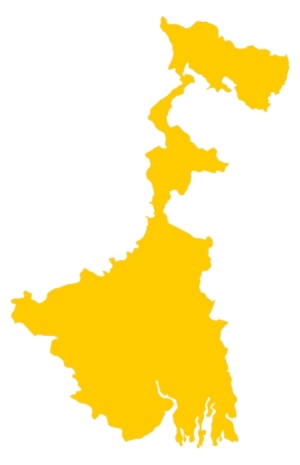 West Bengal
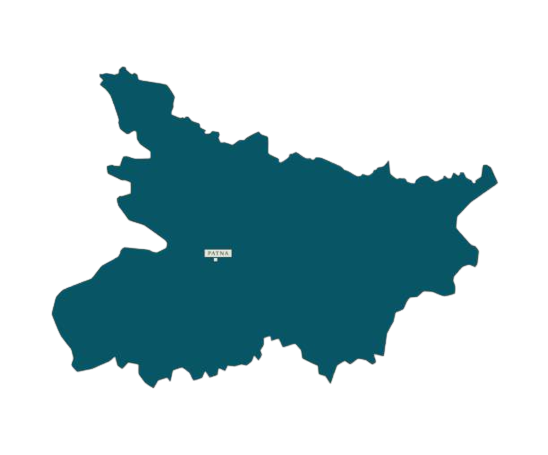 Bihar
Bihar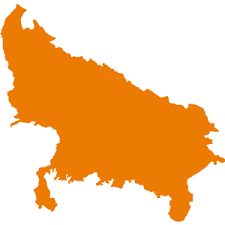 Uttar Pradesh
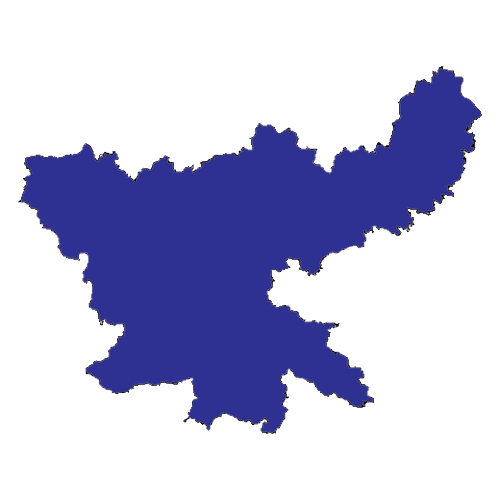 Jharkhand