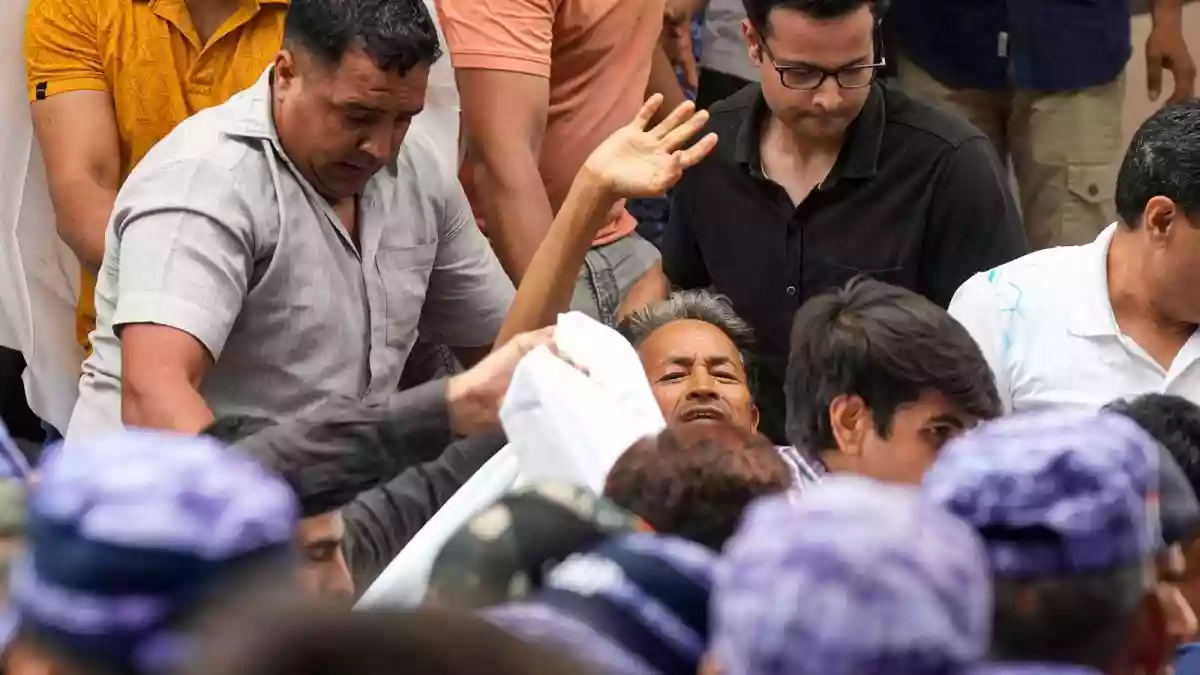
Sonam Wangchuk vows to continue hunger strike as CJP reclaims Jantar Mantar stage
.gif)

Download Mobile App 






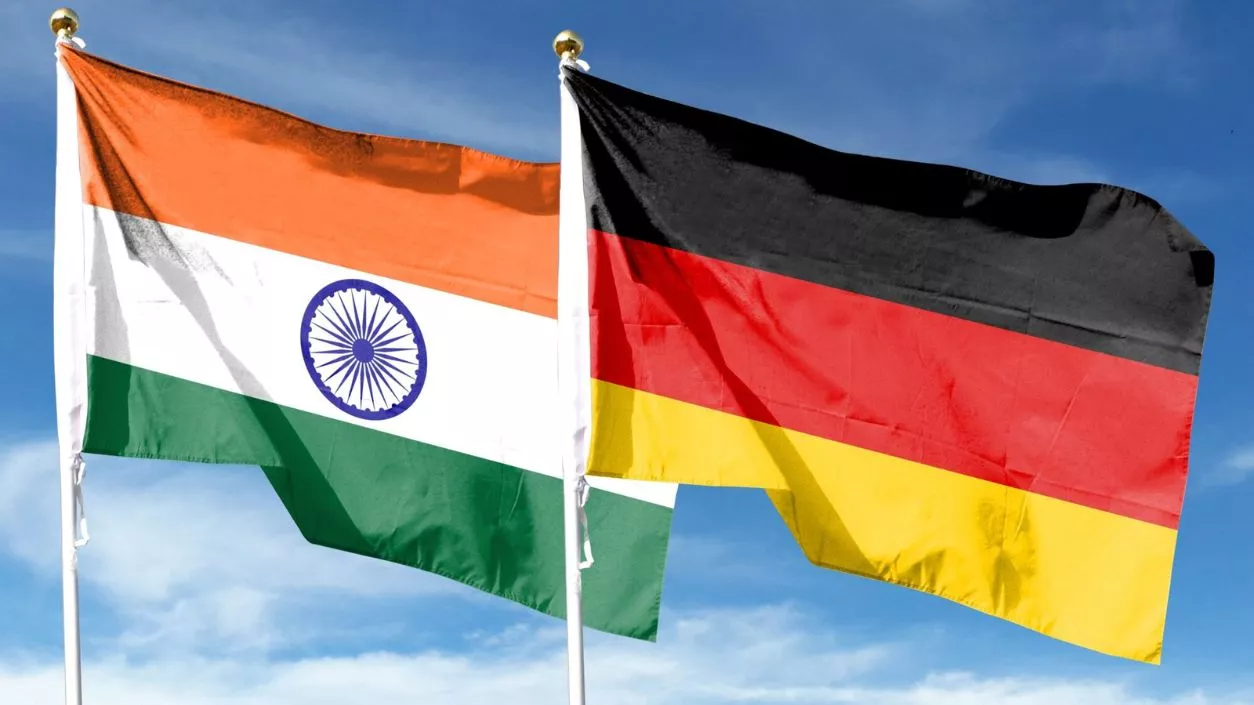
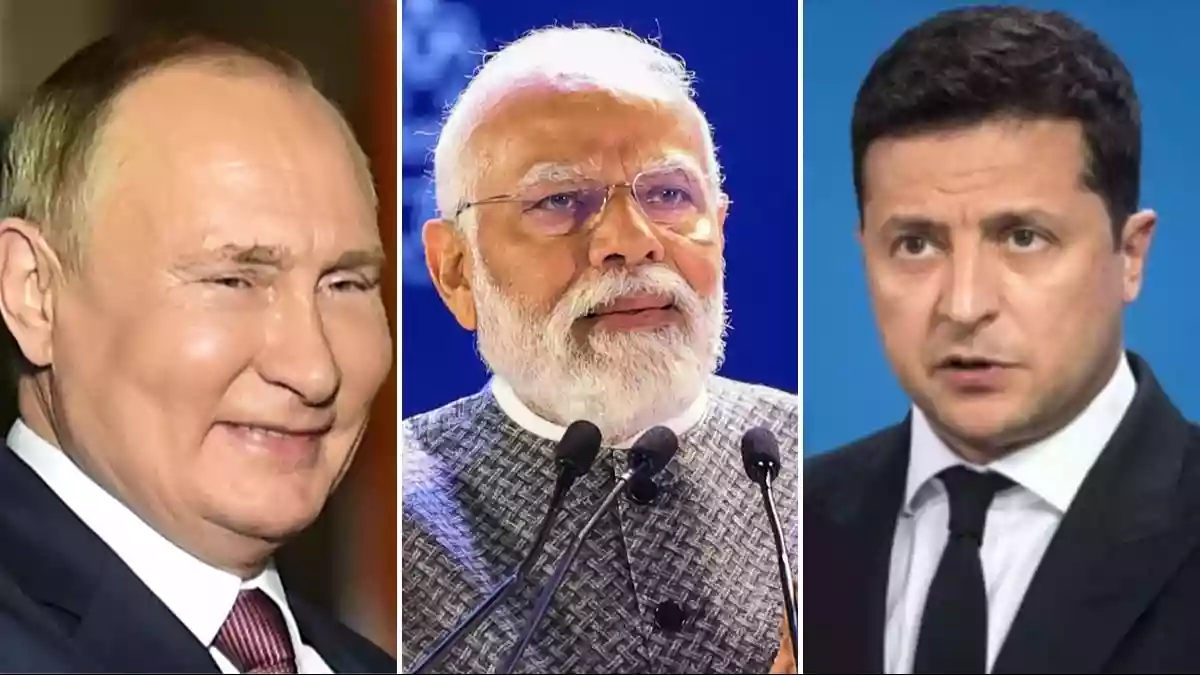
India and Germany agreed on a wide-ranging plan to deepen cooperation in defence, trade, critical minerals, semiconductors and mobility, as Prime Minister Narendra Modi and German Chancellor Friedrich Merz pledged to strengthen bilateral ties amid global geopolitical churn.
Following talks in India, the two sides signed 19 agreements, including a roadmap for defence industrial collaboration, a comprehensive framework for higher education cooperation, and a pact on telecommunications. The leaders also called for early conclusion of the India-European Union free trade agreement to expand trade and investment.
A key outcome was Germany’s announcement of a visa-free transit facility for Indian passport holders travelling through German airports, aimed at easing international travel and boosting people-to-people links. Both sides underscored the growing exchange of students, skilled professionals and workers, and acknowledged the contribution of the Indian community to Germany’s economy.
On strategic issues, the two leaders reaffirmed support for a free and open Indo-Pacific, respect for international law including UNCLOS, and launched a new bilateral Indo-Pacific consultation mechanism. They also reiterated strong backing for the India-Middle East-Europe Economic Corridor and agreed to work towards secure and resilient supply chains.
Prime Minister Modi said bilateral trade has crossed the USD 50 billion mark, reflecting growing economic engagement, while both sides jointly condemned terrorism in all forms and committed to enhanced cooperation against terror networks. The leaders also discussed global challenges including Ukraine and Gaza, stressing the need for peaceful resolution and reforms of global institutions.



.webp)

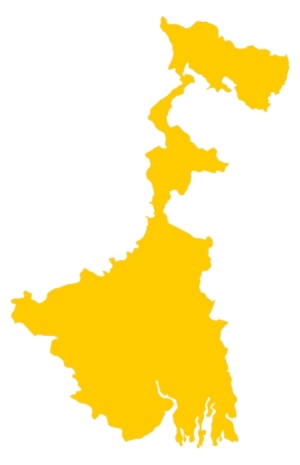 West Bengal
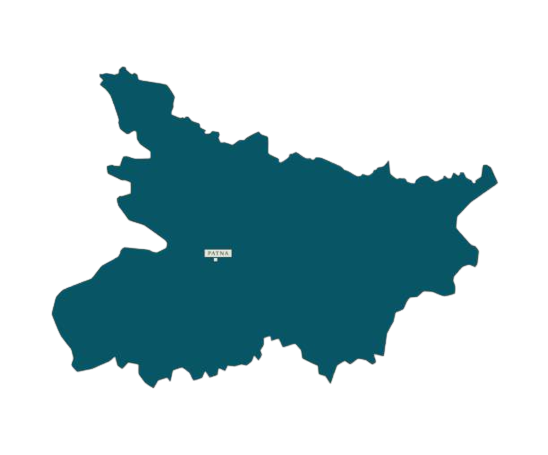 Bihar
Bihar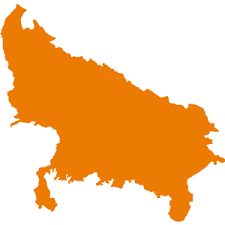 Uttar Pradesh
 Jharkhand