.gif)

Download Mobile App 






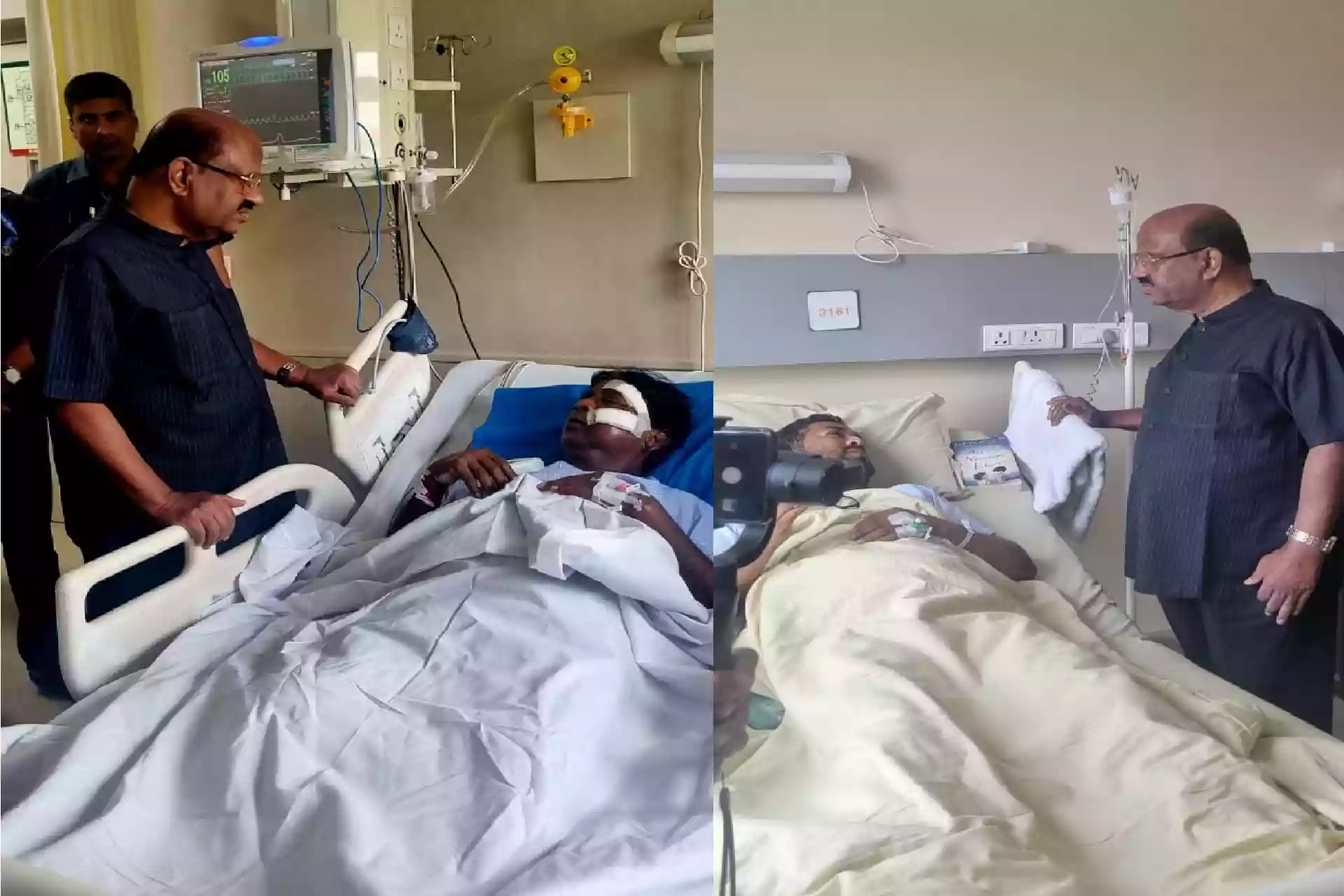
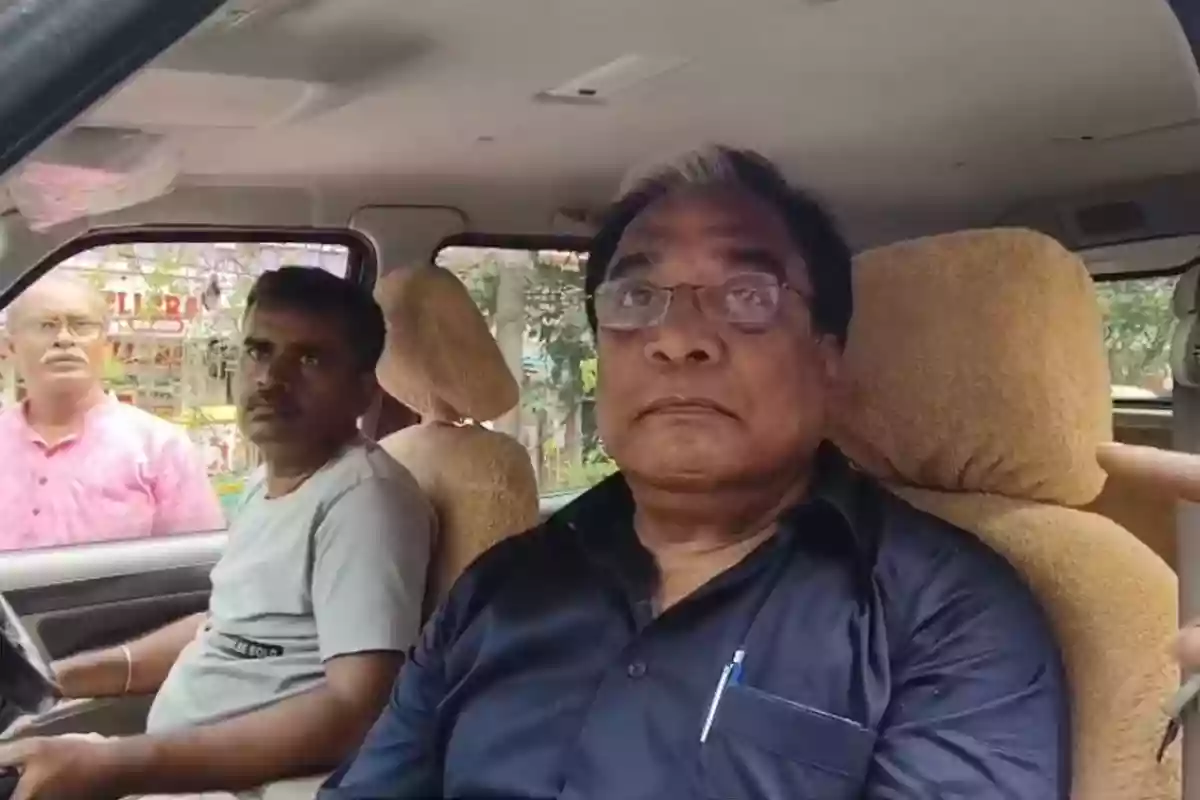
In a poignant display of constitutional empathy amid West Bengal's escalating political tempests, Governor C.V. Ananda Bose, already entrenched in the flood-battered hills of Darjeeling to oversee relief, made a swift detour to Siliguri's private hospital today, where he spent over an hour consoling BJP MP Khagen Murmu—still reeling from a facial fracture requiring surgery—and MLA Shankar Ghosh, both victims of yesterday's brutal mob attack in Nagrakata that has ignited a firestorm of alleged accusations against the ruling TMC. Bose, whose eyes often betray a quiet resolve forged from years in public service, clasped their hands gently, inquired about their pain with the warmth of an elder statesman, and urged resilience in the face of what he termed "unacceptable violence that wounds our democracy's soul," while promising to flag the incident to the highest echelons for impartial probe. This bedside vigil, unfolding just as the North Bengal region's death toll increases from landslides and deluges, transcends mere courtesy—it's a subtle yet seismic statement from Raj Bhavan, bridging the chasm between statehouse and street-level strife, and reminding all that even in polarized Bengal, humanity and healing can pierce the partisan haze.The previous day's horror in Nagrakata read like a nightmare scripted in mud and malice: Murmu and Ghosh, with relief crates in tow, stepped out to survey the Teesta's wrath—homes gutted, tea bushes drowned—only to be engulfed by a seething crowd of around 500, allegedly TMC loyalists chanting "Go back, BJP" as fists flew, stones pelted, and sticks cracked against the MP's skull, leaving him a bloodied heap on the rain-soaked ground.
Shankar Ghosh, dodging blows in the melee, barely shielded himself before security whisked them into a convoy that shattered like glass under the barrage, windows exploding in a hail of debris while the duo's vehicle limped away amid jeers. Rushed to Siliguri's wards by evening, Murmu's orbital bone fracture demanded ICU vigilance and surgical whispers of AIIMS transfer, though local docs vowed to handle it; Ghosh, nursing bruises and shock, stabilized enough to recount the "horrifying ambush" to reporters from his bed. In the North Bengal's drenched dawn, this wasn't random rage—it was raw politics exploding in a disaster zone, where aid turns to animosity faster than floodwaters rise.Bose's arrival at the hospital around noon cut through the sterile hum of monitors and muffled moans, his motorcade slipping past BJP cadres' vigilant huddle outside, banners demanding Justice for Khagen Murmu fluttering like wounded flags. Governor eschewed fanfare, gliding into the private rooms with a small entourage that included his aide-de-camp and a nodal officer from the relief command. There, in the soft light of recovery bays, he listened intently as Murmu, eyes bandaged and voice steady despite the haze of painkillers, detailed the mob's fury—how pleas for calm dissolved into punches, and police sirens wailed too late.
Shankar Ghosh, propped up with pillows, added layers of indignation, his minor contusions paling against the emotional scars of betrayal in a land he calls home. Yet, the Governor, ever the bridge-builder, tempered his bedside empathy with calls for "swift, unbiased investigation," sidestepping the partisan minefield while underscoring Bengal's fragile law-order canvas. For Murmu, a two-term tribal voice from Malda Uttar known for his grassroots grit, this assault isn't just personal—it's an assault on the Adivasi ethos he champions, turning hospital greens into a stage for subdued defiance. As CV Bose departs, promising follow-ups on their health and the probe, the hospital corridors buzzed with a renewed vigor—BJP volunteers ferrying fruits and prayers, media crews capturing every exit glance, and whispers of statewide dharnas brewing under Raju Bista's watchful eye. Ghosh, ever the assembly whip, joked through his pain about "Modi-ji's soldiers unbowed," but his eyes betrayed the deeper wound: how flood relief, meant to unite, devolved into division in Nagrakata's beleaguered blocks. For the BJP leaders duo, discharge looms in days, but the real recovery? That's woven into the probes and protests yet to unfold. Kanchenjunga cast long shadows over Darjeeling's recovering ridges—where Bose would return to helm rescue reviews—the Governor's hospital sojourn lingered as a beacon in Bengal's bruised narrative. It humanized heroes, humbled hubris, and hinted at healing's quiet power amid the din of democracy's discord. Murmu and Ghosh, bandaged but unbroken, emerged not as mere victims but as vectors of vigilance, their story a clarion for calmer climes. In a state where politics pulses like monsoon heartbeats, such acts of outreach from Raj Bhavan could be the suture needed to stitch the seams before they split further.




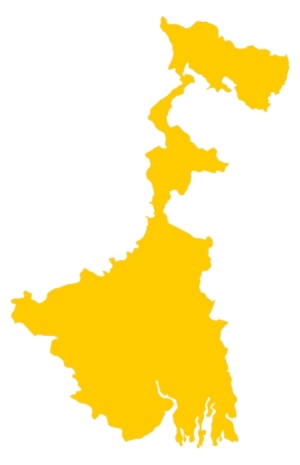 West Bengal
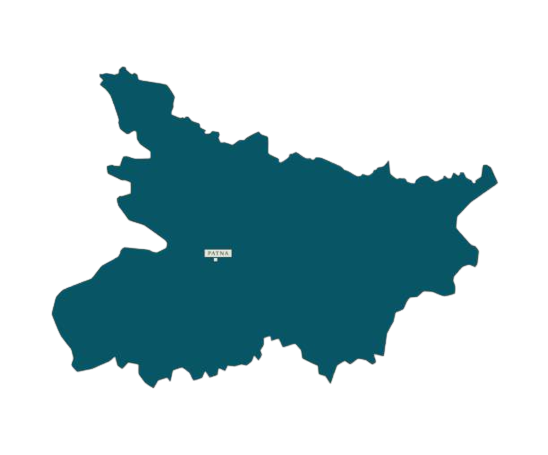 Bihar
Bihar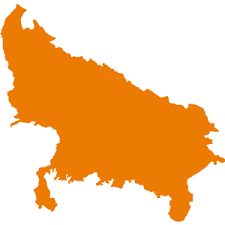 Uttar Pradesh
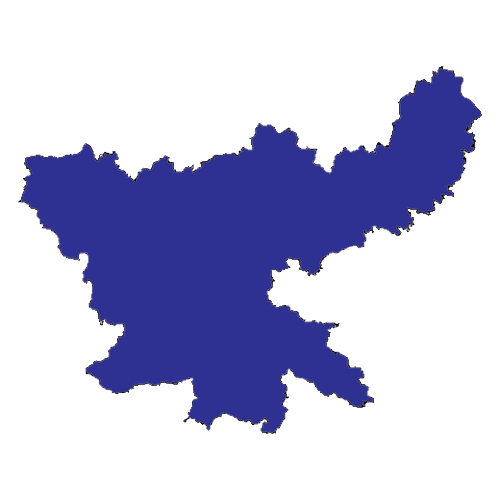 Jharkhand