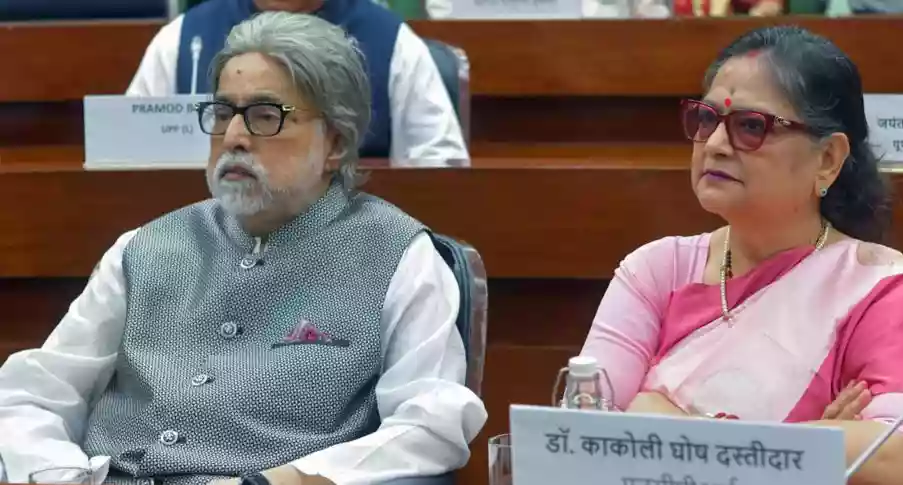
"Smaller parties shouldn't be prioritized": Sudip Bandyopadhyay hits at TMC
.gif)

Download Mobile App 






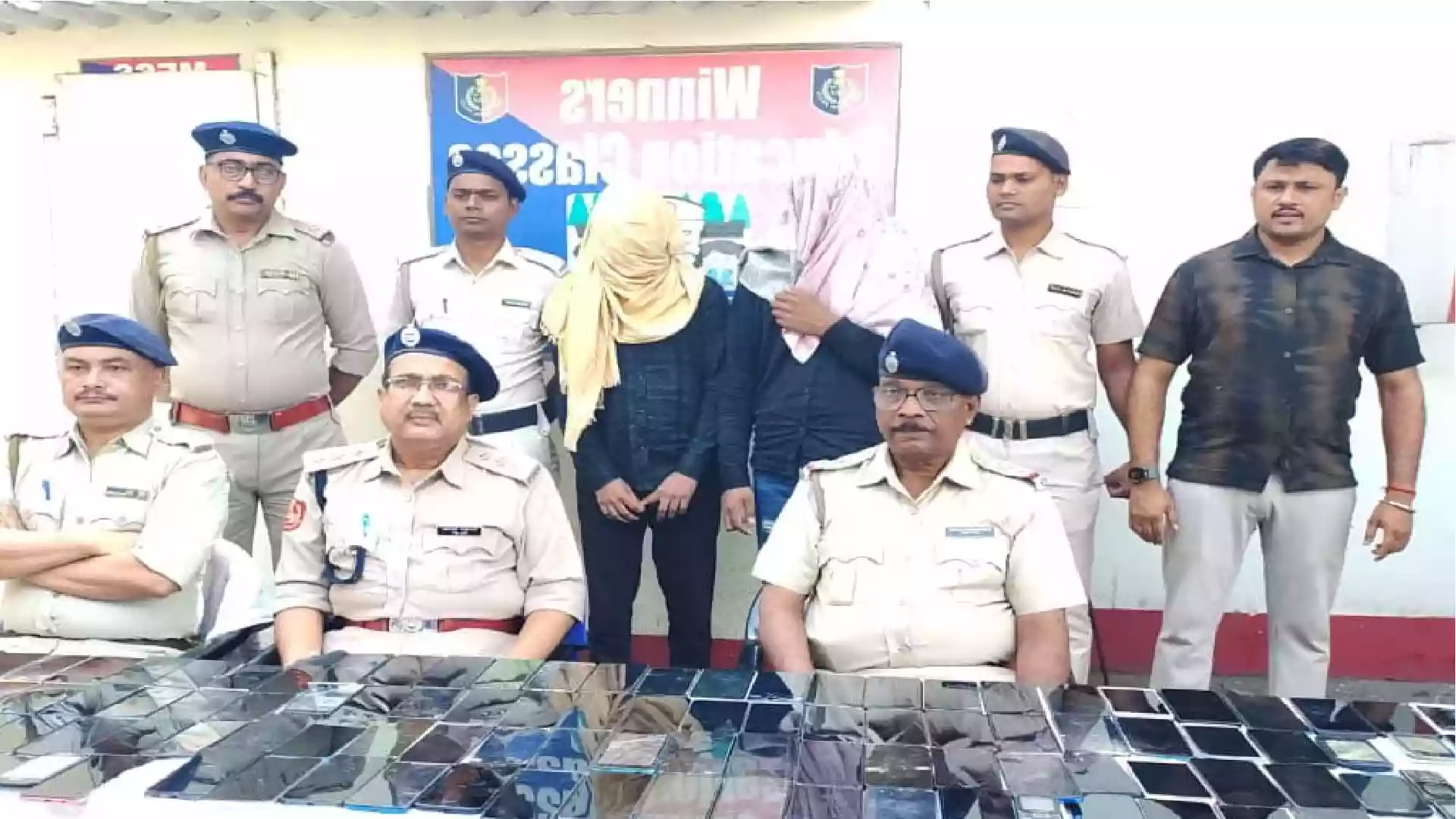
In a swift strike, the Government Railway Police (GRP) at New Farakka station has cracked open an international brazen mobile phone smuggling racket, arresting two young locals. Acting on a tip from undercover sources, officers swooped in on Platform 1 at New Farakka station today morning, where suspects Dawood Ibrahim, 24, and Tahirup Sheikh, 25—both hailing from Kaliachak near Malda district's border with Bangladesh—had just disembarked from the UP Brahmaputra Mail Express after a long haul from Uttar Pradesh. Their unassuming bags bulged with 147 brand-new mobile phones, a haul worth lakhs that they couldn't—or wouldn't—explain, painting a vivid picture of how everyday trains are turning into lifelines for illicit cross-border commerce, where gadgets meant for Indian markets vanishes into Bangladesh.
The duo's journey, pieced together from GRP interrogations, reveals a well-oiled corridor exploiting rail routes from UP's bustling hubs straight to Bengal's vulnerable edges. Loaded up in northern India, the phones rode the Brahmaputra Express undetected until Farakka, a stone's throw from the Ganges' meandering border, where the suspects planned to slip through Kaliachak's unguarded stretches toward waiting handlers across the border in Bangladesh. Stonewalled by questions on the phones' origins—likely pilfered or duty-evaded stock—the pair's silence only fueled the probe, as officers rifled through their luggage to uncover the 147 mobile phones. This isn't isolated; it's part of a rising tide of tech smuggling that preys on the India-Bangladesh divide, where the intenational border lacks fencing and riverine blind spots let opportunists like these turn a quick profit on high-demand devices.
The GRP's haul sends a ripple through smuggling networks, prompting deeper dives into accomplices and supply chains. Authorities suspects that this bust is just the tip, with similar rackets funneling everything from electronics to essentials across the border, often under the nose of weary travelers. As investigations ramp up, the spotlight falls on how to choke these rail-and-river pipelines—perhaps with smarter surveillance or cross-state intel-sharing—before more trains become smuggling corrdor.









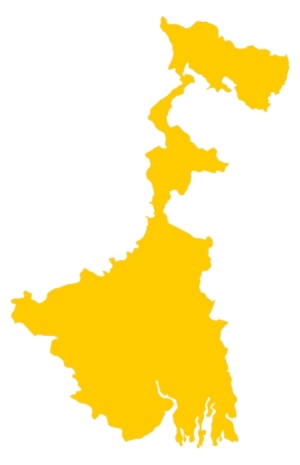 West Bengal
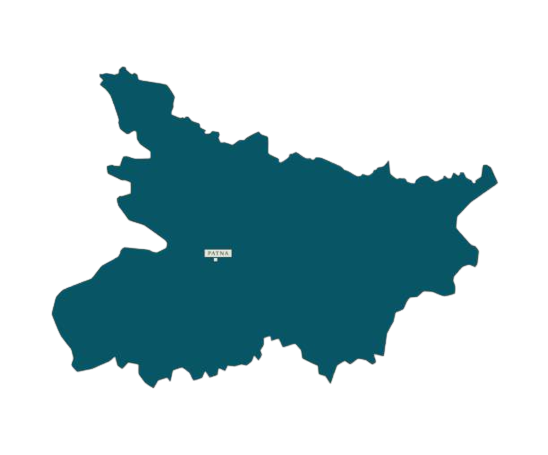 Bihar
Bihar Uttar Pradesh
 Jharkhand