.gif)

Download Mobile App 






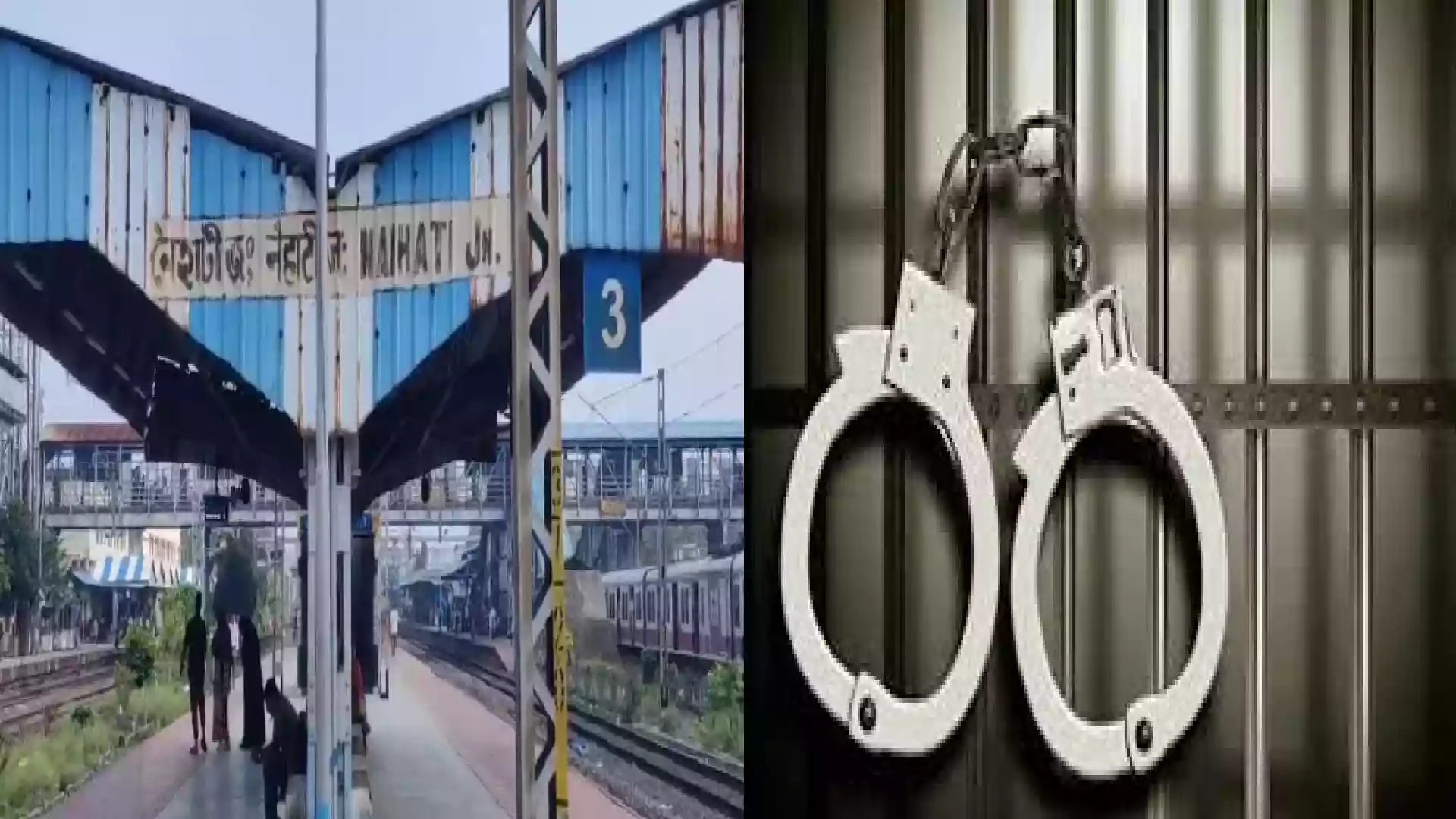
In a pulse-pounding bust that turned a routine railway patrol into a major narcotics takedown, GRP (Government Railway Police) at Naihati Station in West Bengal's North 24 Parganas district swooped in on four suspicious young men loitering on Platform No. 3 with hefty tourist bags, unearthing a whopping 100 kilograms of ganja hidden inside—enough contraband to fuel an underground network and mark the biggest such seizure ever in the Sealdah Main Branch. The drama unfolded today when the quartet, posing as everyday travelers from nearby New Barrackpore, caught the eagle eyes of GRP officers with their fidgety stance and evasive glances amid the morning commuter rush. One suspect's desperate dash to ditch a bag mid-interrogation only sealed their fate, as cops collared the lot and rifled through the luggage to reveal the pungent payload, leaving even seasoned officers slack-jawed at the sheer scale of the smuggling bid aimed at Nadia district markets. With two of the arrested known as inter-state traffickers, this isn't just a local win—it's a crack in the cannabis cartel that's long exploited Bengal's bustling rails, reminding us how the everyday hum of trains can mask the high-stakes hustle of hidden highs, and raising urgent questions about vigilance on these vital veins of travel.
The scene at Naihati Station today morning was deceptively ordinary: platforms alive with the clatter of chai vendors, the whoosh of incoming locals, and passengers jostling for seats under the October sun. But for GRP team—veterans of petty thefts and lost luggage—this patrol veered into thriller territory when they clocked the four men, all in their mid-20s, huddled near the edge of Platform 3 like they were guarding state secrets. Dressed in faded jeans and backpacks bulging like overpacked suitcases, they muttered in low tones, eyes darting toward the tracks as if plotting an escape route. As the officers sauntered over for a casual check, the air thickened with tension; one suspect, sweat beading on his brow, bolted with a bag in tow, only to trip over his own panic yards away, gift-wrapping the bust for the pursuing team.What followed was a textbook takedown laced with disbelief. The fleeing suspect was tackled amid gasps from onlookers, his abandoned bag spilling open to tease glimpses of tightly wrapped green parcels that screamed contraband. With the other three frozen in feigned innocence, the GRP didn't hesitate—handcuffs clicked, bags were upended on the platform, and out tumbled the motherlode: 100 kgs of dried ganja, bundled in plastic sheaves that reeked of rural fields far from this urban hub.
Officers peeled back layers to confirm the haul, their faces a mix of triumph and shock; in a branch where the usual catches topped out at a few kilos, this was seismic. The suspects—unnamed in initial reports but locals from New Barrackpore's working-class lanes—offered no resistance beyond mumbled alibis about "gifts for relatives," but their eyes betrayed the lie. As the platform cleared for safety, the contraband was whisked to the GRP outpost, a stark exhibit of how ambition meets its rails' end.Digging deeper, the GRP uncovered threads of a larger web: two of the four were flagged as repeat inter-state players, with whispers of prior runs shuttling ganja via the very trains they now rode in chains. New Barrackpore, a gritty suburb pulsing with factories and footpaths, has long been a transit point for such trades, where young men lured by quick cash trade futures for fixes. These weren't kingpins but foot soldiers, likely middlemen in a chain stretching to Nadia's shadowy depots, where the weed would fetch fortunes in foil packets. Police grilled them under the stark fluorescent hum of the station lockup, phones seized for digital trails and contacts cross-checked against national databases. For the railways, it's a wake-up whistle: amp up patrols, train eyes on the everyday odd, and remember that every bag could conceal a bigger beast. In the end, this platform plunder isn't mere news—it's a nod to the thin blue line holding back the green tide, a reminder that in Bengal's bustling byways, one suspicious shuffle can snuff out a smuggling saga, leaving clearer tracks for the innocent to tread.








 West Bengal
 Bihar
Bihar Uttar Pradesh
 Jharkhand