.gif)

Download Mobile App 






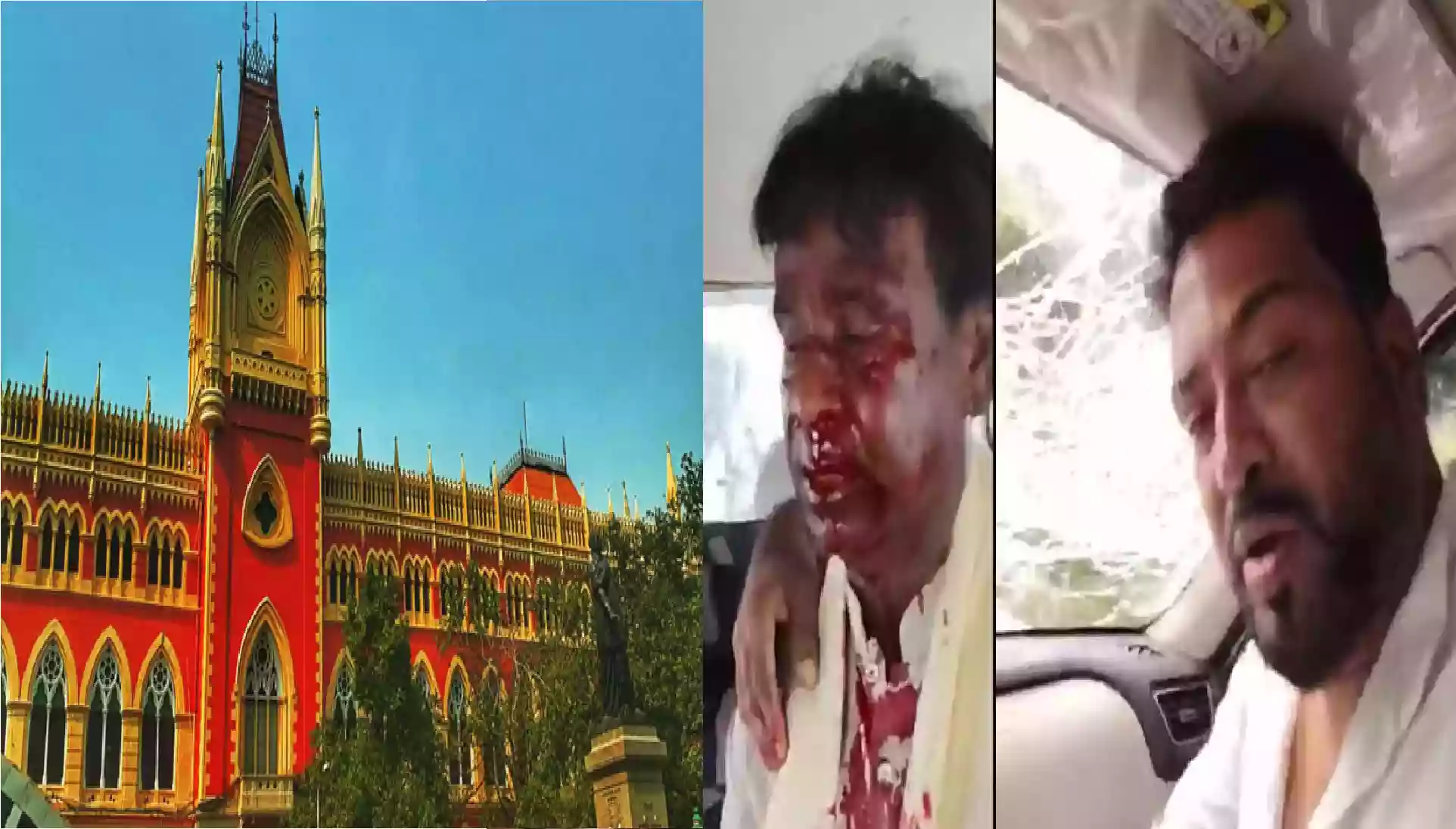
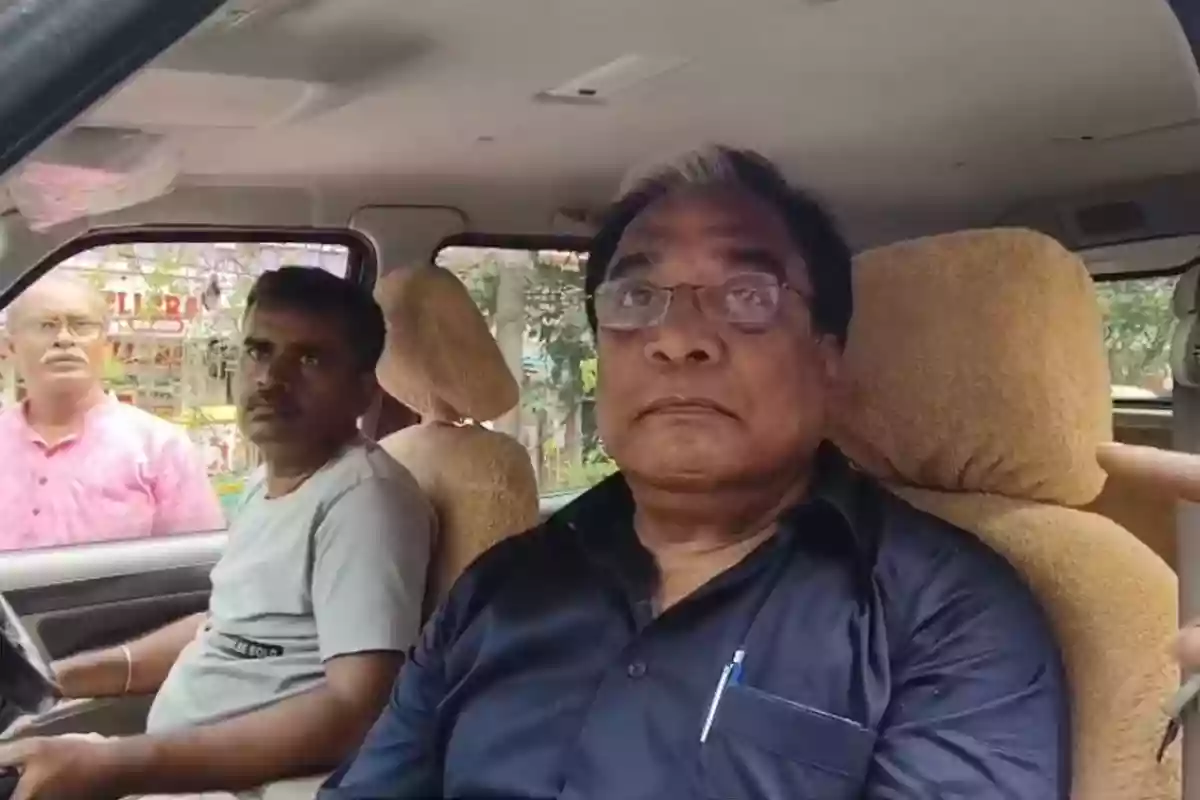
In a sharp rebuke to the state's handling of rising political violence, the Calcutta High Court today summons a detailed report from the West Bengal government over the brutal mob attack on BJP MP Khagen Murmu and MLA Shankar Ghosh during their flood inspection visit in Jalpaiguri's Nagrakata area on October 6, a clash that left the leaders bloodied and the opposition baying for accountability. What began as a routine inspection of North Bengal's deluge-ravaged farmlands turned nightmarish when several protesters, allegedly wielding sticks, shoes, and stones hurled from a swollen riverbank, swarmed their vehicle, smashing windows and inflicting grievous injuries—Khagen Murmu's face gashed below his left eye, spilling blood onto his shirt, while Shankar Ghosh injured as well. Rushed to a local hospital amid chaos, Ghosh was discharged by last week Wednesday, but Murmu remains under care.
Presided over by Justice Shampa Dutta Pal, the bench mandates the case diary's submission and a full governmental rundown, while tabling a plea to hand the probe to the NIA—underscoring the tinderbox tensions in a state where floodwaters and political fault lines run perilously close.The courtroom sparked by complainant counsel Anindya Sundar Das's arguments painting the assault as a premeditated hit on democracy's foot soldiers, peeled back layers of alleged police complicity, with whispers of delayed response allowing the mob's fury to fester unchecked. Four arrests have trickled in so far—but the real sting lies in the systemic lapses: why no heavier charges, and where were the safeguards for elected reps wading into crisis zones, Das hammered home the public interest angle, urging NIA oversight to cut through any partisan haze, though Justice Pal held her cards close, opting for more paper trails before any seismic shifts.
For Murmu and Ghosh, this isn't abstract legalese—it's the echo of real scars from a visit meant to spotlight submerged villages, not spotlight their own vulnerability. As North Bengal reels from wrath, displacing thousands and drowning crops, this attack layers tragedy upon tragedy, turning aid missions into ambush alerts and amplifying cries for a neutral probe in a polarized polity. With the next hearing queued for October 27 at the Jalpaiguri Circuit Bench, the clock ticks on a saga that could redefine security protocols for opposition forays in flood-hit frontiers, where goodwill gestures risk greeting with gravel and grievances. The state's mandated report—due soon—promises to either douse the flames or fan them higher, especially as BJP brass rallies behind their battered duo, vowing electoral payback in the shadow of submerged polls. In the end, beyond the bandages and benches, it's a human plea: let the truth surface before the next storm—be it rain or rage—sweeps in unchecked.




 West Bengal
 Bihar
Bihar Uttar Pradesh
 Jharkhand