
Centre removes Edu Secy Vineet Joshi amid paper leak protests; Naresh Gangwar takes charge
.gif)

Download Mobile App 






HDFC Bank has increased its Marginal Cost of Funds-based Lending Rate (MCLR) by up to 10 basis points across multiple tenors, making several categories of loans more expensive for borrowers. The revised rates came into effect on June 8, 2026. The increase will impact customers whose loans are linked to the MCLR benchmark, including home loans, personal loans, and auto loans.
The private sector lender raised the two-year MCLR by 10 basis points to 8.55% from 8.45%, marking the steepest increase among all tenors. The benchmark one-year MCLR, which is widely used for pricing retail loans such as home, personal, and vehicle loans, has been increased by 5 basis points to 8.40% from 8.35%. As a result, the minimum lending rates applicable to many retail borrowers will increase when their loans come up for interest rate reset.
According to the revised rate structure, the overnight MCLR has been increased to 8.10% from 8.05%, while the three-month MCLR has risen to 8.20% from 8.15%. The six-month MCLR now stands at 8.35%, up from 8.30%, and the three-year MCLR has been revised to 8.65% from 8.60%. The MCLR serves as the minimum benchmark rate below which banks generally cannot lend, except in specific cases permitted by regulations.
The revision comes shortly after the Reserve Bank of India left the repo rate unchanged during the latest meeting of the Monetary Policy Committee. Although the policy rate remained unchanged, banks continue to adjust their lending benchmarks based on factors such as funding costs, liquidity conditions, and the overall cost of raising deposits and other resources.
The repo rate is the interest rate at which commercial banks borrow funds from the Reserve Bank of India and is a key tool used to manage inflation and economic activity. Higher borrowing costs for banks can translate into increased lending rates for customers, making loans more expensive and slowing the flow of money in the economy. Conversely, lower borrowing costs can encourage lending and economic activity by reducing interest rates for consumers and businesses.








 West Bengal
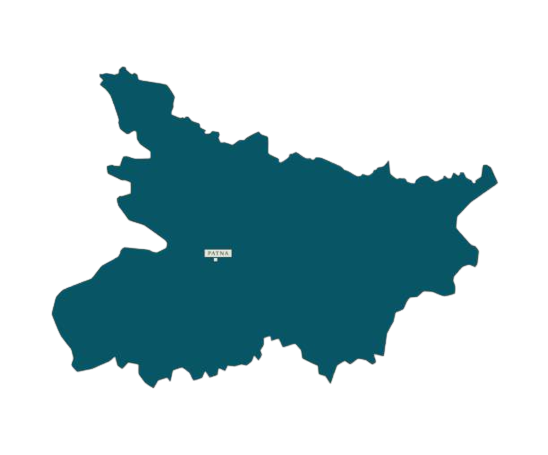 Bihar
Bihar Uttar Pradesh
 Jharkhand