
Abhishek slaps 10-crore defamation notice on Madan Mitra over 'murderer' jibe
.gif)

Download Mobile App 






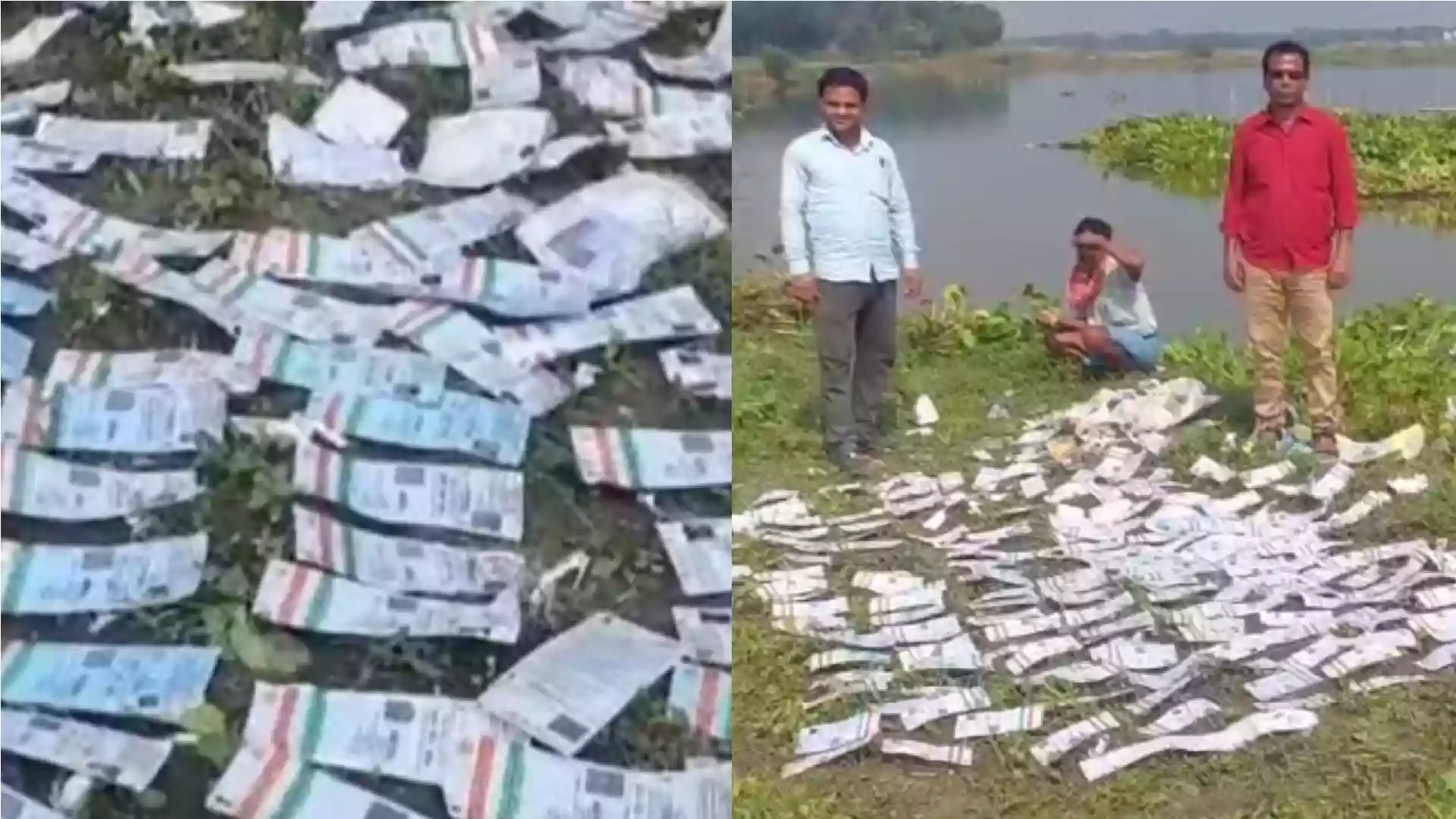
In Bardhaman's Purbasthali amid Special Intensive Revision (SIR) of voter lists just kicked off with BLOs knocking on doors the day before, a routine pond cleanup turned into a shocking discovery that sent ripples through Purba Bardhaman district—workers dredging a local pond in Lalitpur under Pila Panchayat, Purbasthali Block 2 and initially mistaken for a corpse, only to reveal bundles of Aadhaar cards sparking fears of foul play tied to the state's frantic electoral purge. The incident, unfolding today saw laborers wading waist-deep in the murky waters when the ominous find bobbed to the surface, their shouts drawing a crowd of stunned villagers who watched as the plastic-wrapped package spilled forth hundreds of identity documents, many belonging to locals from nearby Hamidpur and Pila areas.
With SIR's door-to-door verifications already stirring whispers of deleted names and document scrambles, this incident prompting urgent questions about whether these were genuine IDs dumped to evade scrutiny or props in some shadowy scheme to manipulate the rolls. Panic morphed to procedure as word spread like wildfire through the paddy-fringed lanes, with residents calling Purbasthali Police Station and by noon, a squad of officers arrived, methodically laying out the drenched documents on the bil's muddy bank for cataloging before bundling them into evidence bags for forensic vetting. Initial inspections revealed no overt signs of tampering, but the sheer volume fueled speculation that they might have been stashed to dodge the SIR's identity checks, a process meant to cleanse the 2002 voter database but now shadowed by tales of disenfranchisement dread.
Police launched probe into the cards' origins: Were they pilfered from enrollment camps? Hidden by fraudsters? Or simply lost in the chaos of rural life's relentless churn? This Purbasthali puzzle peels back layers of vulnerability in India's sprawling ID ecosystem, where one submerged sack can ignite debates on data security and electoral equity, especially as SIR agents fan out statewide with forms in hand. Authorities have urged affected families to step forward for verification, promising swift restitution if the cards prove legit, while election watchdogs eye the episode as a potential red flag for oversight lapses. This bounty serves as a soggy reminder: as revisions reshape the rolls, the past—be it forgotten proofs or festering fears—has a way of resurfacing, demanding not just investigation, but a deeper dive into the currents carrying democracy forward.





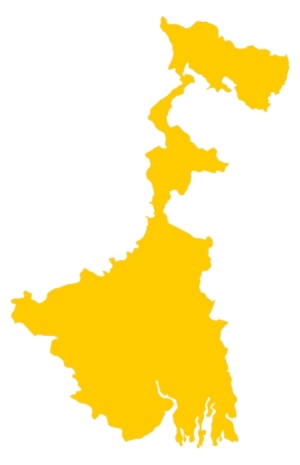 West Bengal
 Bihar
Bihar Uttar Pradesh
 Jharkhand