.webp)
Kolkata Metro services from 4 AM on June 21 for Yoga Day and NEET UG exams
.gif)

Download Mobile App 







The Indian Air Force (IAF) officially bid its farewell to the legendary Russian-made MiG-21 fighter jet, an aircraft that has been the backbone of the force for over six decades. The formal retirement came on September 26, 2025, marking a historic moment in the nation's military aviation history. The Chief of the Air Staff, Air Chief Marshal Amar Preet Singh, flew a final sortie in the jet, symbolizing the end of an illustrious era and the transition towards a modern, indigenous fleet.
During his visit to the last squadron operating the aircraft, Air Chief Marshal Singh flew a solo sortie and participated in a formation led by Squadron Leader Priya. This symbolic gesture, which involved one of the IAF's female fighter pilots, was meant to honor the MiG-21's storied legacy while also highlighting the forces' move toward transformation and future readiness. It was a fitting tribute to an aircraft that has seen generations of pilots and played a crucial role in India's defense.
Inducted in 1963, the MiG-21 was a technological marvel for its time, becoming India's first supersonic jet. Its induction provided the IAF with a significant strategic advantage in the 1960s and 1970s. The aircraft's combat prowess was proven in several major conflicts, including the 1965 and 1971 wars with Pakistan, the 1999 Kargil conflict, and more recently, the 2019 Balakot airstrikes. Its operational reliability has been a key factor in its long service, even as it operated on high alert during Operation Sindoor.
However, the MiG-21's legacy is a complex one, with a darker side that earned it grim nicknames like 'flying coffin' and 'widow maker'. The aircraft was plagued by a high accident rate in its later years, leading to the unfortunate loss of over 170 pilots and many civilians. This checkered safety record has been a persistent concern for the IAF, ultimately accelerating the decision to phase out the fleet. The air force chief himself acknowledged the outdated technology and maintenance difficulties, stating that it's time to move on to newer, more advanced platforms.




-1781775840290_v.webp)
.webp)

 West Bengal
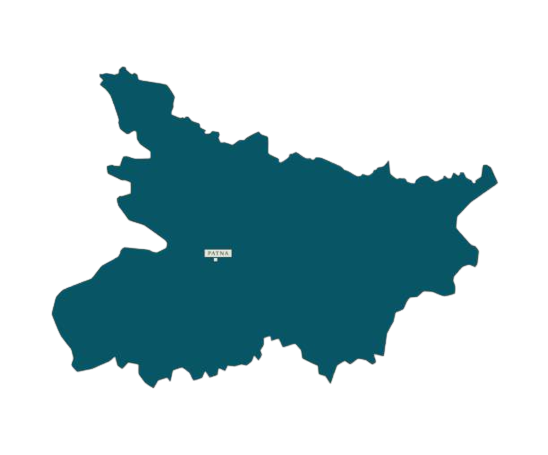 Bihar
Bihar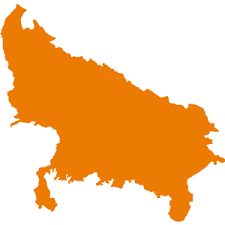 Uttar Pradesh
 Jharkhand