
Sonam Wangchuk vows to continue hunger strike as CJP reclaims Jantar Mantar stage
.gif)

Download Mobile App 






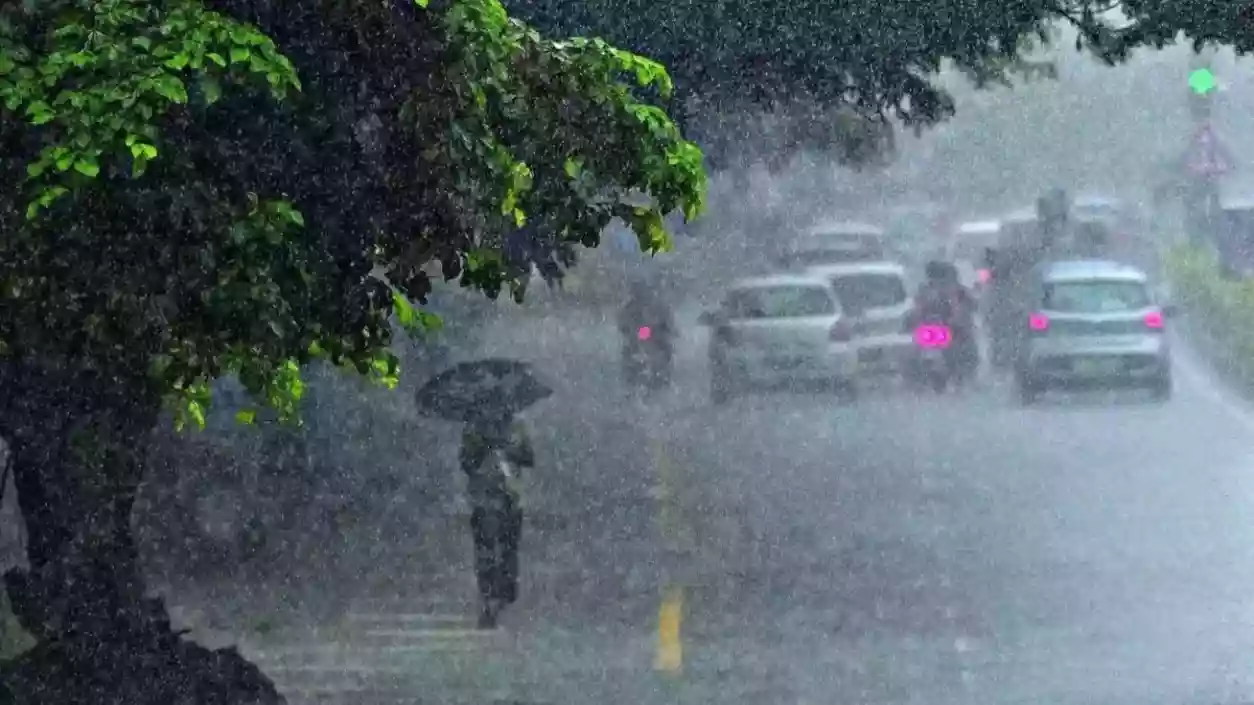
The India Meteorological Department has issued an early long-range forecast indicating that India’s 2026 southwest monsoon may remain weaker than normal, raising concerns among farmers, policymakers, and the general public already grappling with intense heatwave conditions across the country.
According to the forecast, rainfall during the June to September monsoon season is likely to range between 88% and 92% of the long-period average. This suggests an overall deficit of around 8% to 12%, which could have widespread implications for agriculture, water storage, and rural livelihoods dependent on seasonal rains.
India’s average monsoon rainfall stands at approximately 87 cm, and any significant shortfall can directly impact kharif crop production, irrigation availability, and reservoir levels. The forecast has therefore raised concerns over possible water stress in several regions, particularly those heavily dependent on rainfall-based farming systems.
The IMD has indicated that most parts of the country, except certain areas in the northeast, northwest, and southern peninsula, may receive below-normal rainfall. Experts have warned that this could further worsen groundwater depletion and drought-like conditions in already vulnerable regions.
Meteorological factors such as evolving El Niño conditions in the Pacific Ocean and a developing positive Indian Ocean Dipole are being closely monitored, as both are known to influence monsoon behaviour. The IMD is expected to release its updated and final forecast in late May, while governments at both central and state levels are already reviewing preparedness and water management strategies.








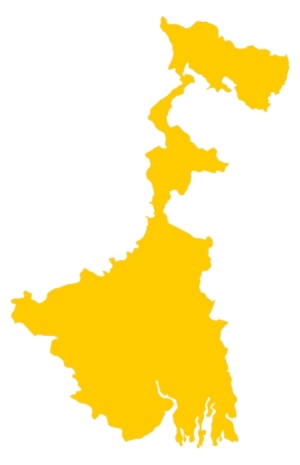 West Bengal
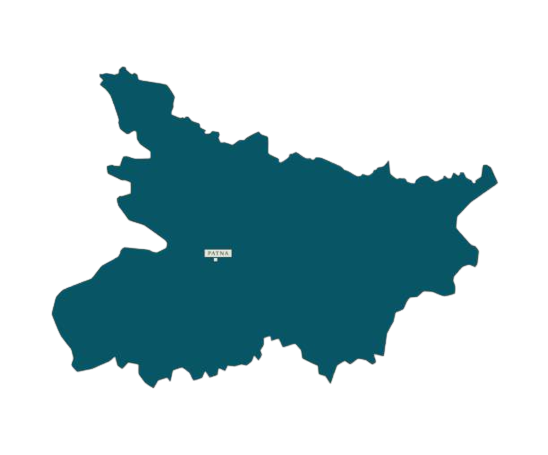 Bihar
Bihar Uttar Pradesh
 Jharkhand