
Abhishek slaps 10-crore defamation notice on Madan Mitra over 'murderer' jibe
.gif)

Download Mobile App 






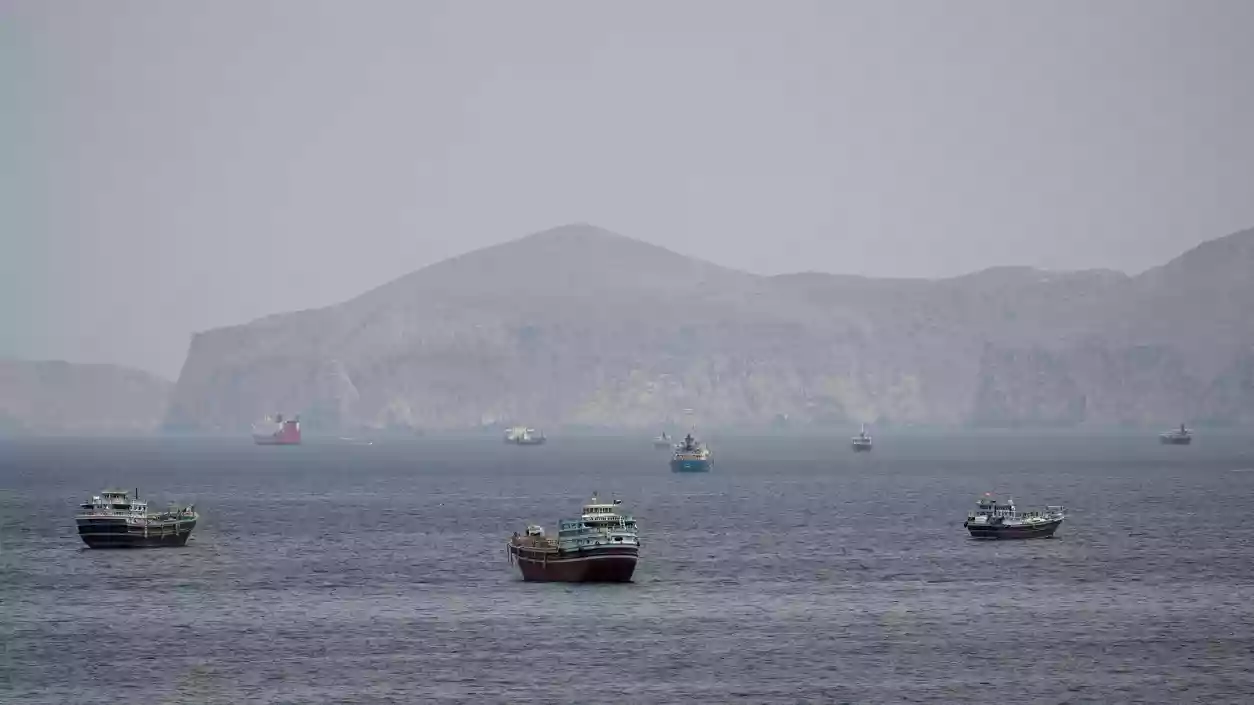
Iran’s Islamic Revolutionary Guard Corps (IRGC) has reportedly seized two commercial vessels, including an India-bound cargo ship, in the Strait of Hormuz, intensifying already strained maritime tensions in the region. The incident comes amid a fragile ceasefire extension announced by US President Donald Trump and follows a series of recent attacks on merchant shipping routes in the Gulf region.
According to maritime reports, the seized vessels include Panama-flagged MSC Francesca and Liberia-flagged Epaminondas. One of the ships was en route to Mundra Port in Gujarat from Dubai’s Jebel Ali port when it was intercepted. Iranian state media stated that the ships were operating without required authorisation and were allegedly manipulating navigation systems, which they claimed endangered maritime safety in the strategically vital waterway.
A third vessel, identified as the Greek-owned Euphoria, was also reportedly targeted during the same sequence of incidents and is now stranded near Iranian waters. Separate reports indicated that at least one vessel suffered damage to its bridge area after being hit by gunfire and rocket-propelled grenades, although no injuries to crew members were reported. The United Kingdom Maritime Trade Operations Centre (UKMTO) confirmed that multiple ships came under fire in the region.
The developments come shortly after two India-flagged vessels, Jag Arnav and Sanmar Herald, were also attacked in the Strait of Hormuz. Those incidents triggered diplomatic concern from India, which subsequently raised the matter with Iranian authorities. The repeated targeting of commercial shipping has raised fears of escalating instability in one of the world’s most critical energy corridors.
The latest seizures are widely viewed as part of a broader escalation involving maritime confrontations between Iran and Western-aligned naval forces, including recent US actions against Iranian-linked vessels in nearby waters. With shipping security deteriorating and geopolitical tensions rising, the Strait of Hormuz continues to remain a high-risk zone for global maritime trade.





.webp)

.webp)

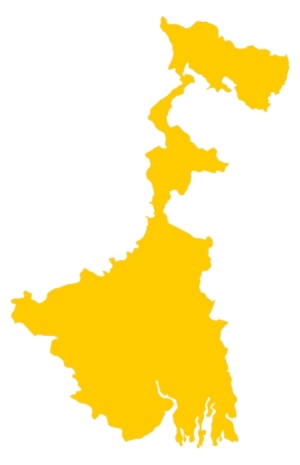 West Bengal
 Bihar
Bihar Uttar Pradesh
 Jharkhand