Bengal Govt elevates IPS Ajay Mukund Ranade to DGP (Law and Order)
.gif)

Download Mobile App 






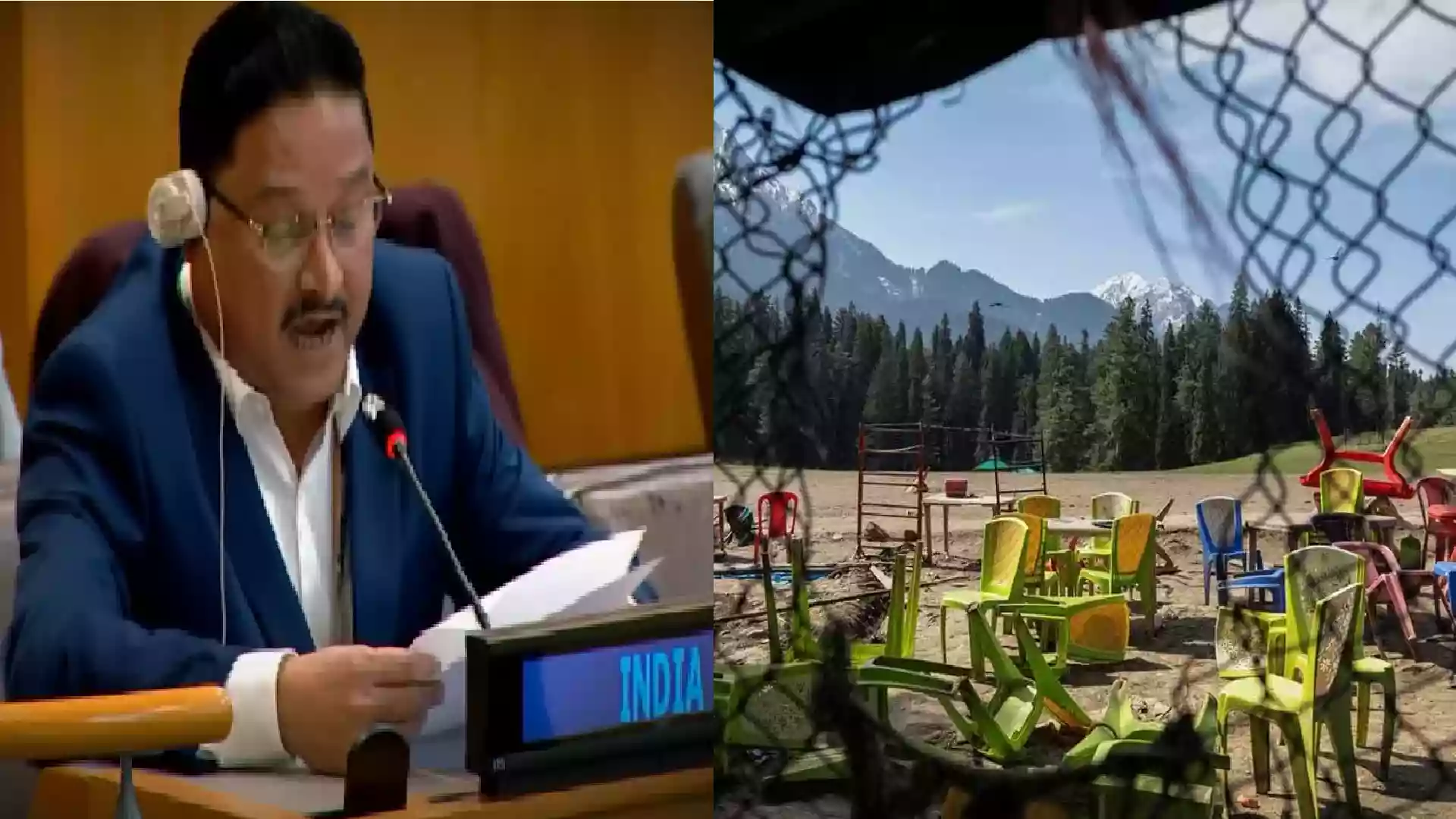
In the grand halls of the United Nations General Assembly's 80th session, where global leaders grapple with the world's thorniest issues, India's voice rang out with unyielding clarity against what it deemed a blatant distortion of facts. A recent human rights UN report on Myanmar that baselessly linked with the deadly April 2025 terrorist attack in Pahalgam to displaced persons fleeing Myanmar's chaos. Indian lawmakers, part of a high-profile parliamentary delegation in New York labeling the claims "baseless and biased" and urging the report to refrain from unverified informations aimed at tarnishing India's global standing. This wasn't just a procedural objection; it was a staunch defense of sovereignty amid escalating tensions, where misinformation can ignite diplomatic wildfires faster.
The delegation, led by Lok Sabha MP Dr. D. Purandeswari paying floral tributes to Mahatma Gandhi's bust at UN Headquarters—a poignant nod to India's enduring commitment to peace even as it confronts provocations. It was MP Dilip Saikia who delivered during a briefing by UN special mandate holders on Myanmar's human rights crisis. "Some observations, particularly those linking the April 2025 Pahalgam terrorist incident to displaced persons from Myanmar, were 'baseless and biased'," Saikia declared, calling on to "refrain from relying on unverified or skewed media reports that appear intended to malign India's image." Yet, in a masterstroke of diplomacy, Saikia balanced the critique with India's proactive support for Myanmar's stability, humanitarian lifelines delivering aid amid disasters and displacement. This blend of firm rebuke and forward-looking aid underscored India's nuanced neighborhood policy: tough on terror, tender on humanity.
As the echoes of Saikia's words fade into the UN's corridors, the episode lays bare the fragile tightrope of international relations in South Asia with Myanmar's civil strife spilling shadows across borders, such reports risk not just diplomatic spats but deeper mistrust that hampers collective action on shared woes like refugee flows and extremism. Fellow delegate MP Sajda Ahmed, speaking in a parallel session on disarmament, reinforced India's multilateral ethos, hailing the Conference on Disarmament as the gold standard for global talks while pushing for pragmatic paths forward. For India, this UN showdown is more than a one-off clapback—it's a clarion call for credible facts over fabricated narratives, ensuring that the quest for peace isn't derailed by partisan pens. In a world quick to point fingers, India's stand reminds us that true progress demands dialogue, not distortion.


.webp)


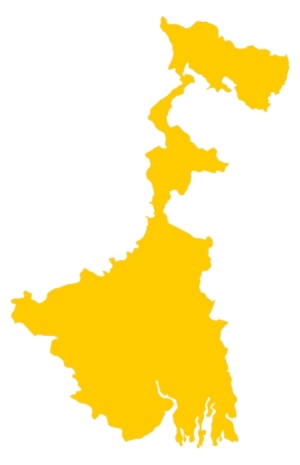 West Bengal
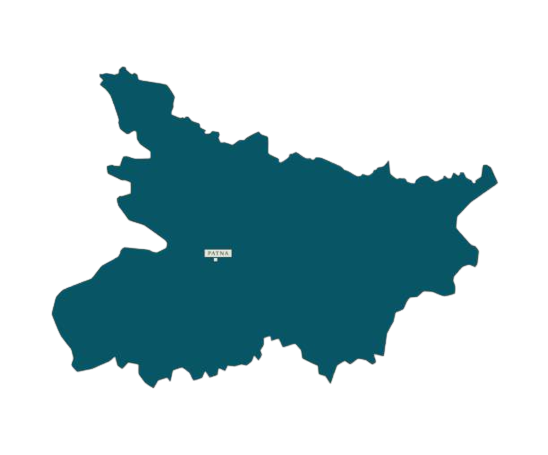 Bihar
Bihar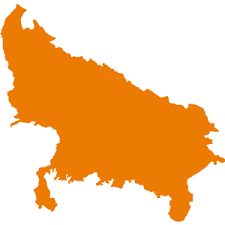 Uttar Pradesh
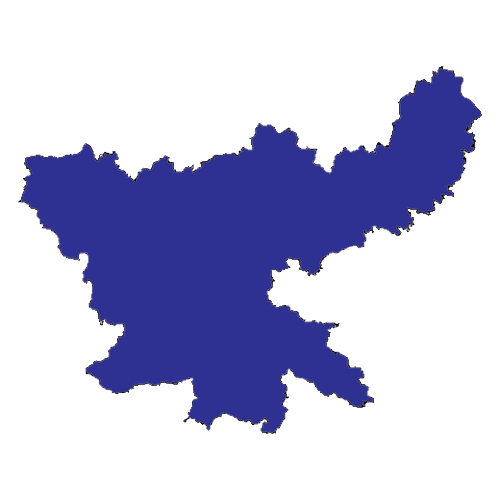 Jharkhand