
SPAIN wins FIFA World Cup 2026, beat Argentina 1-0 with goal in extra time
.gif)

Download Mobile App 







India and New Zealand have officially signed a historic free trade agreement (FTA), formalizing a pact that Prime Minister Christopher Luxon described as a "once-in-a-generation" opportunity. Signed by India's Commerce Minister Piyush Goyal and his New Zealand counterpart Todd McClay, the agreement marks the culmination of negotiations that began in 2010. The deal aims to streamline business operations, reduce compliance burdens, and turn India into a strategic corridor for global trade, bridging markets across Africa, Central Asia, and the West.
The pact covers 20 chapters, focusing on goods, services, and investment, with a bilateral trade target of $5 billion by 2030. Indian exporters gain duty-free access for labor-intensive sectors like textiles, leather, and engineering goods. Furthermore, the services sector receives a significant boost through a new temporary visa pathway, allowing up to 5,000 Indian professionals to work in New Zealand annually. Projections suggest this deal could catalyze up to $20 billion in foreign direct investment from New Zealand into India over the next 15 years.
Balancing trade expansion with domestic needs, both nations have carefully ring-fenced sensitive sectors. India has excluded key areas like dairy and sugar to protect small-scale domestic farmers, while implementing tariff-rate quotas on agricultural products like apples and manuka honey. This calibrated strategy ensures that while the agreement deepens economic integration and strengthens ties in the Indo-Pacific, it remains protective of India’s internal agricultural and manufacturing interests.






.webp)
.webp)

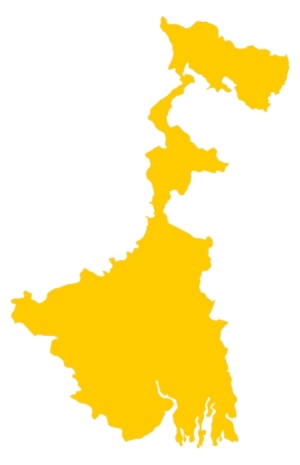 West Bengal
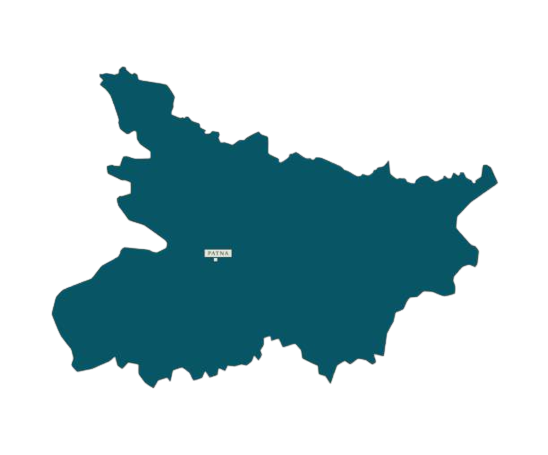 Bihar
Bihar Uttar Pradesh
 Jharkhand