
Sonam Wangchuk vows to continue hunger strike as CJP reclaims Jantar Mantar stage
.gif)

Download Mobile App 







According to the latest Sample Registration System (SRS) Report 2024, India’s Total Fertility Rate (TFR) has declined from 2.1 to 1.9. This shift is highly significant as 2.1 is considered the "replacement level" necessary to maintain a stable population. A drop below this threshold indicates that while the population will not shrink immediately, the pace of growth is slowing drastically and could eventually turn negative, fundamentally altering the country’s future demographic landscape.
Regional disparities remain stark across the subcontinent. Delhi has recorded the lowest fertility rate at 1.2, closely followed by states like Tamil Nadu, Kerala, and West Bengal at 1.3. Currently, only six states—Bihar, Uttar Pradesh, Madhya Pradesh, Rajasthan, Chhattisgarh, and Jharkhand—remain above the replacement level. Bihar continues to have the highest TFR at 2.9, having seen the smallest decline over the past decade, whereas urbanized states like Delhi and Tamil Nadu have seen birth rates plummet by nearly 30%.
This change in fertility is rapidly reshaping the age structure of the Indian population. In states where birth rates fell over a decade ago, the proportion of children aged 0-14 has shrunk significantly; for instance, children make up only 18% of Tamil Nadu’s population compared to 31.5% in Bihar. On a national average, approximately one in four Indians (24%) falls within this youngest age bracket. This growing divide suggests future challenges in the equitable distribution of resources and labor across different states.
Despite these challenges, the report highlights a "golden window" of economic opportunity. India’s working-age population (15-59 years) has risen to 66.4%, up from 64% in 2014. With the dependent population—both children and the elderly—remaining relatively low, India is in a prime position to reap the "Demographic Dividend." Since the elderly population currently constitutes less than 10%, the next few decades will be critical for the nation to translate this vast human capital into sustained economic growth.









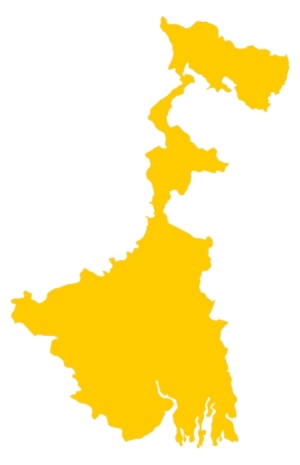 West Bengal
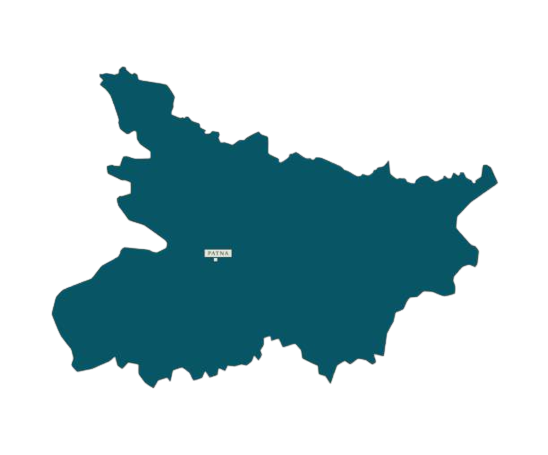 Bihar
Bihar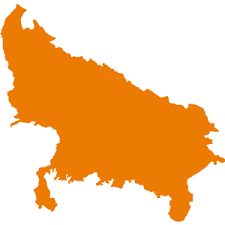 Uttar Pradesh
 Jharkhand