
Bengal Govt elevates IPS Ajay Mukund Ranade to DGP (Law and Order)
.gif)

Download Mobile App 






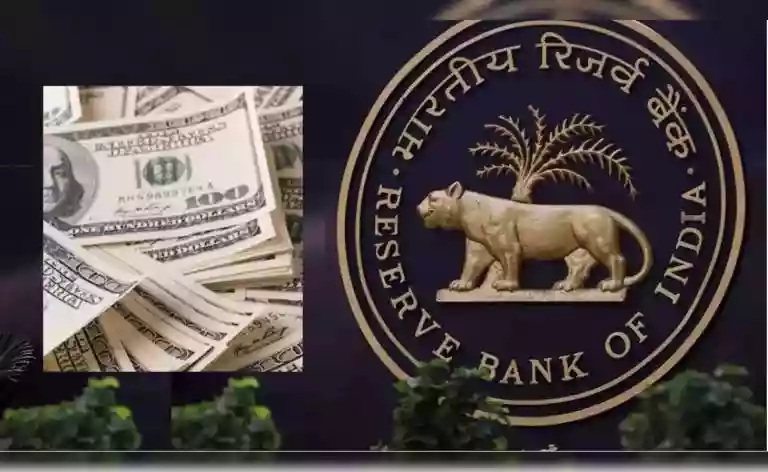
India's foreign exchange reserves surged by $6.295 billion to reach $696.988 billion during the week ended May 8, 2026. This growth comes at a critical juncture as the global economy faces immense pressure from the escalating conflict in West Asia, which has pushed crude oil prices toward the $110 per barrel mark. Despite these headwinds and the Indian rupee touching an all-time low of 96.05 against the US dollar, the Reserve Bank of India (RBI) has successfully bolstered the national treasury, providing a significant cushion against external shocks.
The primary catalyst for this week’s jump was a massive increase in the value of gold reserves, which soared by $5.637 billion to reach a total of $120.853 billion. Simultaneously, foreign currency assets (FCAs)—the largest component of the reserves—rose by $562 million to $552.387 billion. These assets, which include holdings in euros, pounds, and yen, were impacted by the appreciation of non-US currencies. This multi-currency and bullion-heavy strategy has allowed India to maintain its "safety net" even as it intervenes in the forex market to prevent a freefall of the rupee.
Prime Minister Narendra Modi recently reinforced this economic strategy during a public address in Hyderabad on May 10, framing the conservation of foreign exchange as a form of "economic patriotism". With India importing nearly 85% of its oil and remaining a top global consumer of gold, the PM urged citizens to avoid non-essential gold purchases and foreign travel for at least one year. To further this goal, the government recently increased gold import duties and agricultural cess to a combined 15%, aiming to curb the outflow of dollars during this period of high global volatility.



.webp)



.webp)


 West Bengal
 Bihar
Bihar Uttar Pradesh
 Jharkhand