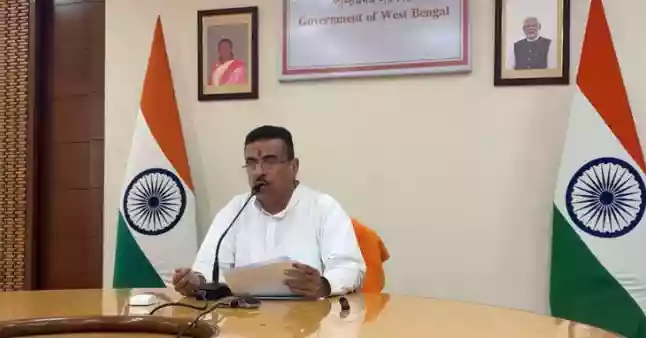
Centre allocates funds for 1 lakh houses in Bengal under Awas Yojana, announces CM Suvendu
.gif)

Download Mobile App 






.webp)
India has formally summoned Iran’s Deputy Chief of Mission Mohammad Javad Hosseini and other diplomats to the Ministry of External Affairs following a fatal missile strike on two UAE commercial tankers in the Strait of Hormuz. The diplomatic intervention came immediately after the United Arab Emirates announced that Iranian cruise missiles had struck the merchant vessels Mombasa and Al Bahiyah within Omani territorial waters. The targeted strikes caused severe fires on both oil tankers, resulting in the death of one Indian crew member and leaving eight other sailors injured.
According to official government sources, the casualties from the dual tanker strikes include six Indian nationals and two Ukrainian citizens, with four of the injured crew members currently remaining in critical condition. In the wake of the attacks, the Ministry of External Affairs expressed deep concern, officially labeling the repeated maritime incidents in the region as deeply worrisome. The Indian government issued a firm call for an immediate de-escalation of regional tensions, urging all parties involved to conclude diplomatic negotiations to restore peace, stability, and unhindered commerce through the vital international waterway.
The targeted attacks take place amid high volatility inside the Strait of Hormuz, a critical maritime energy chokepoint that handles approximately one-fifth of the entire global supply of oil and natural gas shipments. The UAE administration strongly condemned the missile strikes, characterizing the actions as a brazen violation of established international law. Meanwhile, shipping safety remains complex as maritime operators navigate competing regional control claims, which recently included a proposal by US President Donald Trump to offer paid naval protection to passing vessels for a twenty percent fee—an offer explicitly rejected by Iranian authorities.


.webp)
.webp)
.webp)
.webp)

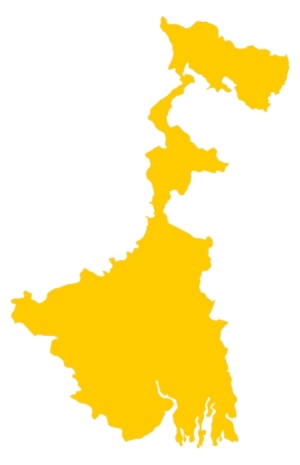 West Bengal
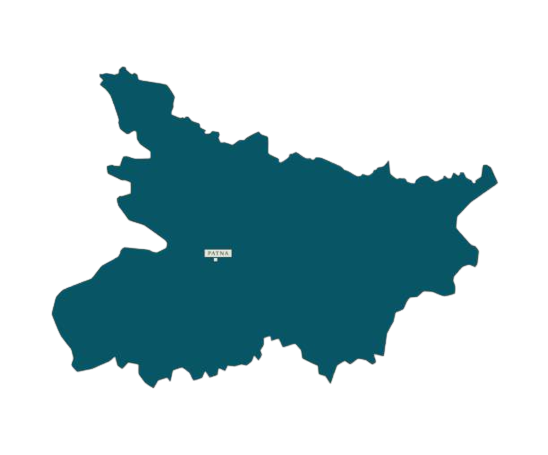 Bihar
Bihar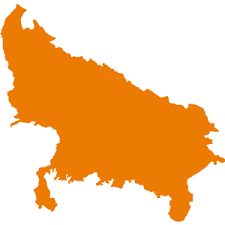 Uttar Pradesh
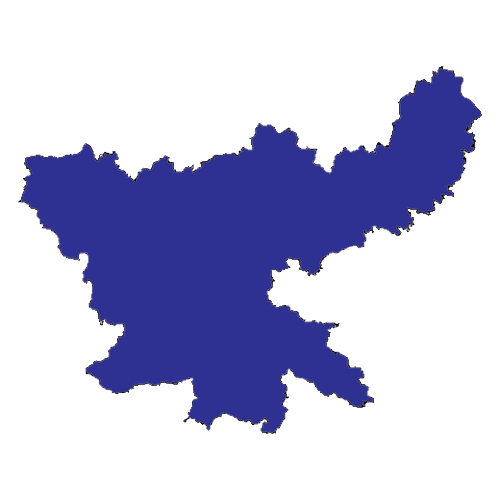 Jharkhand